


Cultivating Your Green Sanctuary
Gardening is far more than just a hobby; it is a profound connection to the earth and a way to take control of the food you eat and the beauty that surrounds your home. Whether you are working with a sprawling backyard or a few pots on a sunny balcony, the fundamental principles of successful cultivation remain the same. Understanding these core concepts will transform your relationship with your landscape, turning frustration into a flourishing green space.
The Foundation: Soil Health is Everything
If you take only one piece of advice from this guide, let it be this: feed the soil, not the plant. Soil is a living ecosystem teeming with microbes, fungi, and beneficial bacteria. When you focus on building rich, nutrient-dense soil, your plants become naturally more resilient to pests and diseases.
- Start with organic matter: Compost is the gold standard of gardening. Incorporating high-quality finished compost into your soil improves structure, moisture retention, and nutrient availability.
- Avoid soil compaction: Roots need air just as much as they need water. Avoid walking on your garden beds, which compresses the soil and restricts root growth.
- Test your soil: Knowing your pH level and existing nutrient profile can save you from guessing. Simple soil test kits are available at most garden centers and provide a clear roadmap for amendments.
Watering Wisdom: Consistency is Key
Watering correctly is a delicate balance. Most novice gardeners make the mistake of shallow, frequent watering, which encourages roots to stay near the surface where they are vulnerable to heat and drought. Instead, aim for deep, thorough watering that reaches the entire root zone.
The best time to water is in the early morning. This allows the plants to hydrate fully before the heat of the day kicks in and ensures that foliage dries off before evening, which helps prevent fungal issues like powdery mildew.
Choosing the Right Plant for the Right Place
Even the most experienced gardener will struggle if they try to force a plant to grow in conditions that contradict its nature. Before buying a plant, assess your specific environment:
- Light exposure: Track how many hours of direct sun your area receives. “Full sun” typically requires at least six to eight hours.
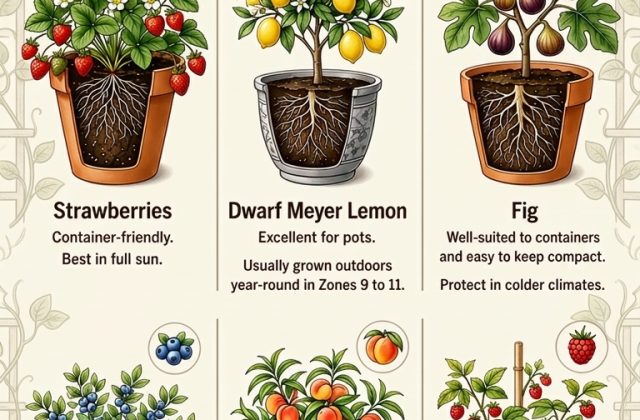
- Hardiness zones: Always check your local hardiness zone to ensure a perennial plant can survive your area’s winter temperatures.
- Microclimates: Observe your yard. A corner protected from the wind or a wall that radiates heat at night can create a unique environment that allows certain plants to thrive where they might otherwise struggle.
Pest Management: Work with Nature
In a healthy garden, pests are rarely a total catastrophe. The goal is to manage, not necessarily to eradicate. Over-reliance on harsh pesticides can kill beneficial insects—like ladybugs and lacewings—that are your garden’s natural defense force.
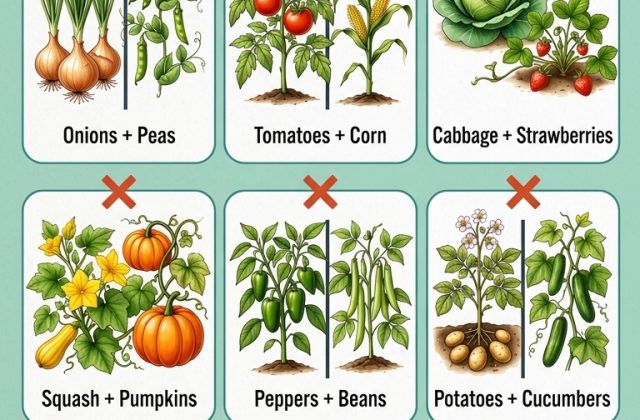
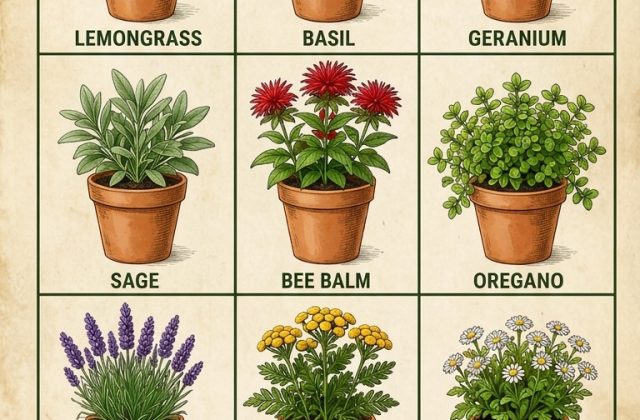
Instead, focus on proactive measures. Keep your plants healthy through proper nutrition, practice crop rotation to prevent soil-borne diseases from building up, and manually remove larger pests when you spot them. Interplanting—mixing herbs, flowers, and vegetables—can also help confuse pests and mask the scent of your desirable crops.
Final Thoughts on Patience
Gardening is an iterative process. You will lose plants, and you will encounter seasons that do not go as planned. This is not failure; it is learning. Every season offers new insights into how your specific corner of the earth behaves. Embrace the process, observe closely, and enjoy the rewarding journey of watching your garden evolve from a patch of dirt into a vibrant, productive sanctuary.