


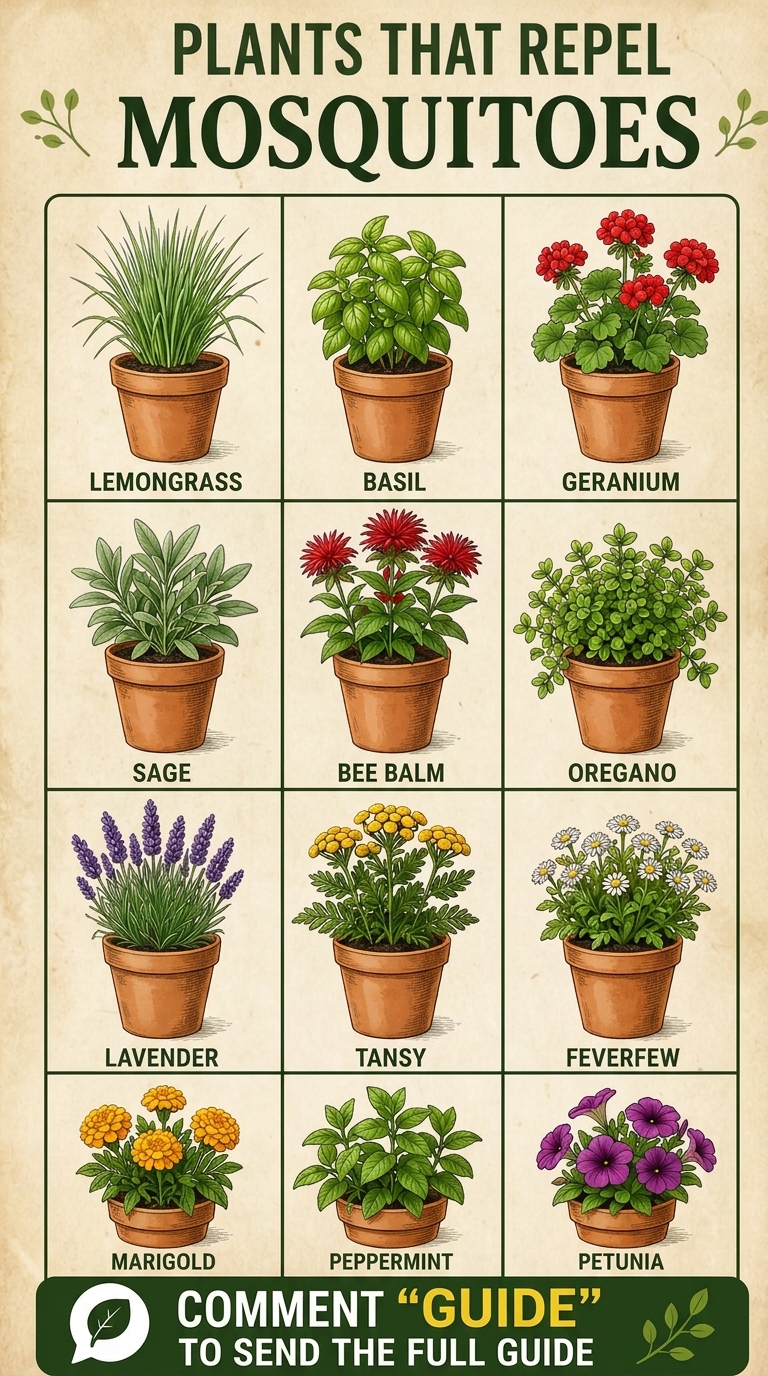
Creating a sanctuary in your backyard is often ruined by the persistent hum and itchy bite of mosquitoes. While chemical sprays and citronella candles are common go-to solutions, they are often temporary, harsh, or synthetic. A more sustainable and aesthetically pleasing approach is to integrate mosquito-repellent plants directly into your landscape design. By leveraging the volatile oils these plants produce, you can create a natural barrier that makes your outdoor space far less inviting to biting insects.
Understanding Why Plants Repel Pests
Plants have evolved over millions of years to defend themselves against hungry herbivores and insects. Many of the aromatic plants we use in our kitchens or enjoy for their beauty produce essential oils—such as citronellal, geraniol, and eugenol—that serve as natural insecticides and repellents. When these plants are brushed against, crushed, or even gently swayed by a breeze, they release these aromatic compounds into the air, effectively masking the scents that mosquitoes use to track down their next blood meal.
The Best Mosquito-Repelling Plants for Your Garden
To maximize your garden’s defensive capabilities, consider incorporating a variety of these species. It is important to note that these plants work best when placed in high-traffic areas like patio borders, near seating areas, or along walkways.
- Lemongrass: Perhaps the most famous natural repellent, this ornamental grass contains a high concentration of citronella. It thrives in pots or garden beds that receive full, direct sunlight.
- Scented Geraniums (Pelargonium): These plants offer beautiful blooms and a delightful lemon-citrus fragrance. They are excellent for container gardening on porches or balconies.
- Basil: Beyond being a staple herb for your kitchen, basil is a potent mosquito deterrent. Its strong, peppery scent is particularly offensive to mosquitoes. Planting it in decorative pots near doors and windows can help keep them out of your home.
- Sage: This hardy perennial is as functional as it is beautiful. When burned in a fire pit, the dried leaves of garden sage can act as a natural, pleasant-smelling smoke deterrent.
- Bee Balm (Monarda): While often planted to attract pollinators like bees and butterflies, the strong scent of the Monarda family is surprisingly effective at confusing mosquitoes, keeping your lounging areas peaceful.
- Oregano: A vigorous grower that serves as a great ground cover. Its pungent aroma acts as a natural barrier, making it an excellent addition to the edges of your garden beds.
Practical Tips for a Pest-Free Garden
While planting these herbs and flowers is a fantastic first step, they are not a magical invisibility cloak. To truly reduce the mosquito population in your yard, you must combine planting with smart garden maintenance. Mosquitos require standing water to complete their life cycle, so start by eliminating any potential breeding grounds. Empty saucers under pots, clear your gutters of debris, and refresh birdbaths at least twice a week.
Furthermore, remember that the potency of these plants is tied to their oils. To release the scent, the plants often need to be agitated. Incorporate these plants near garden paths where you will naturally brush against them as you walk by, or place them in containers on your deck where a light breeze will help circulate their essential oils. For a double-duty approach, harvest your herbs regularly—the process of clipping basil or sage leaves releases a burst of fragrance that can provide a temporary spike in protection for your patio area.
Ultimately, a repellent garden is about creating a balanced ecosystem. By diversifying your plant selection, you not only make your garden more beautiful and productive, but you also create a multi-layered defense system against unwanted summer guests.