


Growing your own salad greens is one of the most rewarding gardening endeavors, but many home growers feel limited by the amount of space they have available. If you think you need a massive raised bed to keep your kitchen stocked with fresh, crunchy lettuce, think again. With the right technique, you can grow a dozen heads of lettuce in a single 12-inch pot, providing a continuous harvest for months.
The Secret to High-Density Lettuce Gardening
The core concept behind high-density gardening is understanding the actual needs of the plant. Lettuce has a relatively shallow root system, meaning it does not require deep garden beds or heavy, tall pots. By utilizing a wide, shallow container, you can optimize soil surface area, which is the limiting factor for lettuce density rather than soil depth.
Selecting the Right Container and Soil
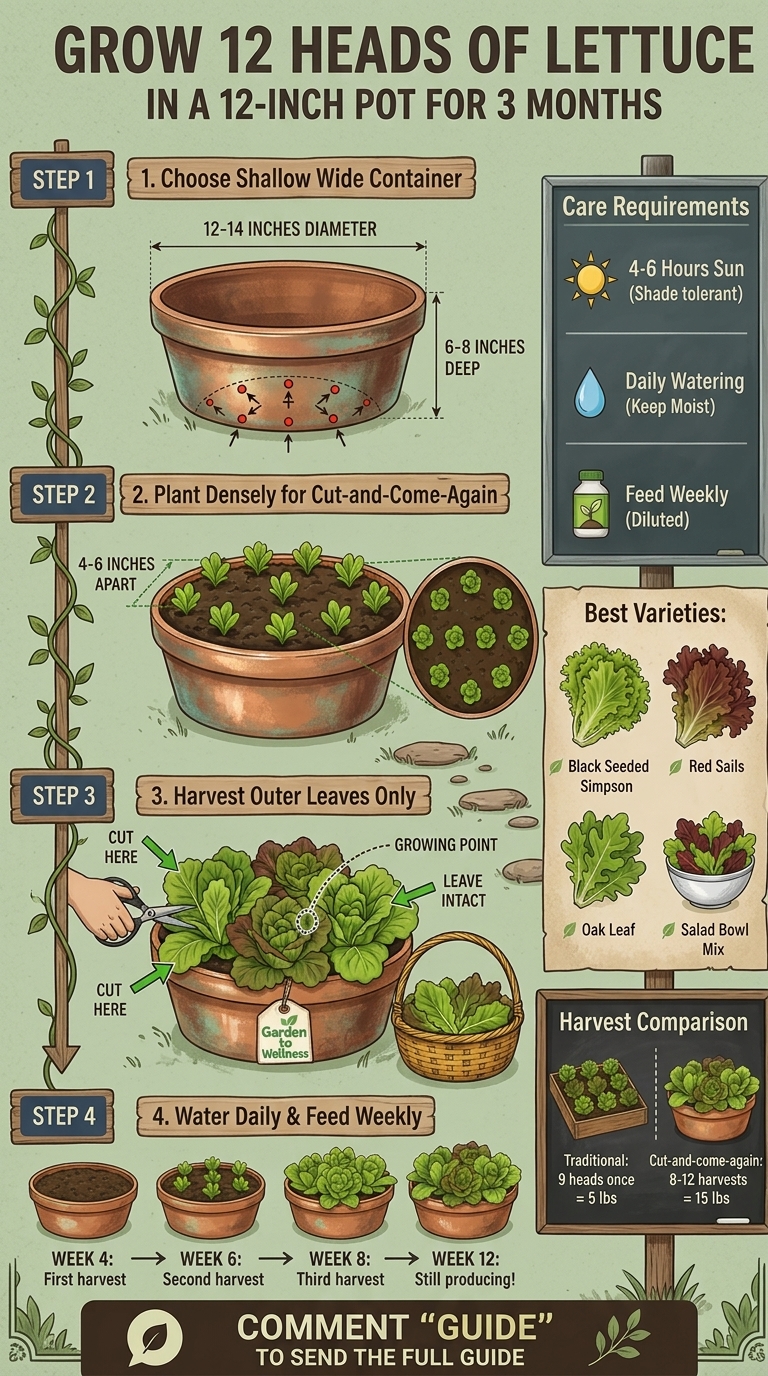
For a 12-inch diameter pot, ensure it has adequate drainage holes. Shallow bowls or wide nursery pots are ideal, as they prevent water from pooling at the bottom and causing root rot. Because you are planting densely, soil quality is paramount. Use a high-quality, organic potting mix amended with compost. This provides the necessary aeration and nutrient retention that allows multiple plants to coexist in a small footprint.
Strategic Planting for Maximum Yield
To fit 12 plants into a 12-inch container, you must move away from traditional spacing recommendations. Instead of thinning to one plant per six inches, aim for a tight, circular arrangement. Space your seedlings or seeds roughly three inches apart. While this seems close, lettuce is perfectly happy growing in these conditions as long as you adhere to the “cut-and-come-again” harvest method.
The Essential Maintenance Routine
Growing in such a dense environment requires a disciplined maintenance routine to ensure each plant receives enough resources to thrive. Because of the high plant-to-soil ratio, the moisture in your container will deplete much faster than in a traditional garden bed.
- Daily Watering: Check your soil moisture every single morning. The goal is to keep the soil consistently damp but not waterlogged. On particularly hot days, your pot may dry out by the evening, so keep a close eye on the foliage for signs of wilting.
- Weekly Feeding: Your plants are competing for nutrients in a confined space. A water-soluble, nitrogen-rich organic fertilizer applied once a week is essential to support the rapid growth of tender leaves. Always follow the manufacturer’s dilution instructions to avoid fertilizer burn.
- Sunlight Management: Lettuce prefers cooler temperatures. While the plants need sunlight to grow, they can bolt (turn bitter and flower) if exposed to intense, midday heat. Position your pot in a location that receives bright morning sun but offers some protection or shade during the scorching afternoon hours.
The Cut-and-Come-Again Harvest Method
The true magic of this method lies in how you harvest. Instead of pulling the entire plant from the soil, adopt the “cut-and-come-again” technique. Focus your harvesting efforts on the outer, more mature leaves first. Use clean, sharp scissors to snip these outer leaves just above the base of the plant. By leaving the center “heart” of the lettuce intact, the plant will continue to push out new growth from the middle. This allows you to keep a single plant productive for weeks at a time.
Troubleshooting Common Issues
When gardening at high densities, air circulation can become compromised, which may invite pests like aphids. Check the undersides of your leaves regularly. If you spot them, a gentle spray of water or an organic insecticidal soap is usually sufficient to manage the population. Additionally, if you notice your lettuce starting to stretch or “leggy” growth, it is a sign that the plants are reaching for more light; try moving the pot to a brighter location.
By combining high-density planting with consistent water, regular nutrition, and smart harvesting, you can turn a small corner of your patio into a productive salad factory. It is a simple, space-saving approach that proves you don’t need a large plot of land to enjoy the luxury of homegrown produce.