


You do not need a sprawling backyard or an expansive acreage to enjoy the satisfaction of harvesting your own fresh fruit. Whether you have a sunny balcony, a small patio, or just a bright corner of a deck, container gardening offers a manageable and rewarding way to cultivate a personal orchard. May is the ideal time to establish these plants, as the warming soil and increasing sunlight provide the perfect environment for root establishment before the peak of summer heat.
1. Strawberries
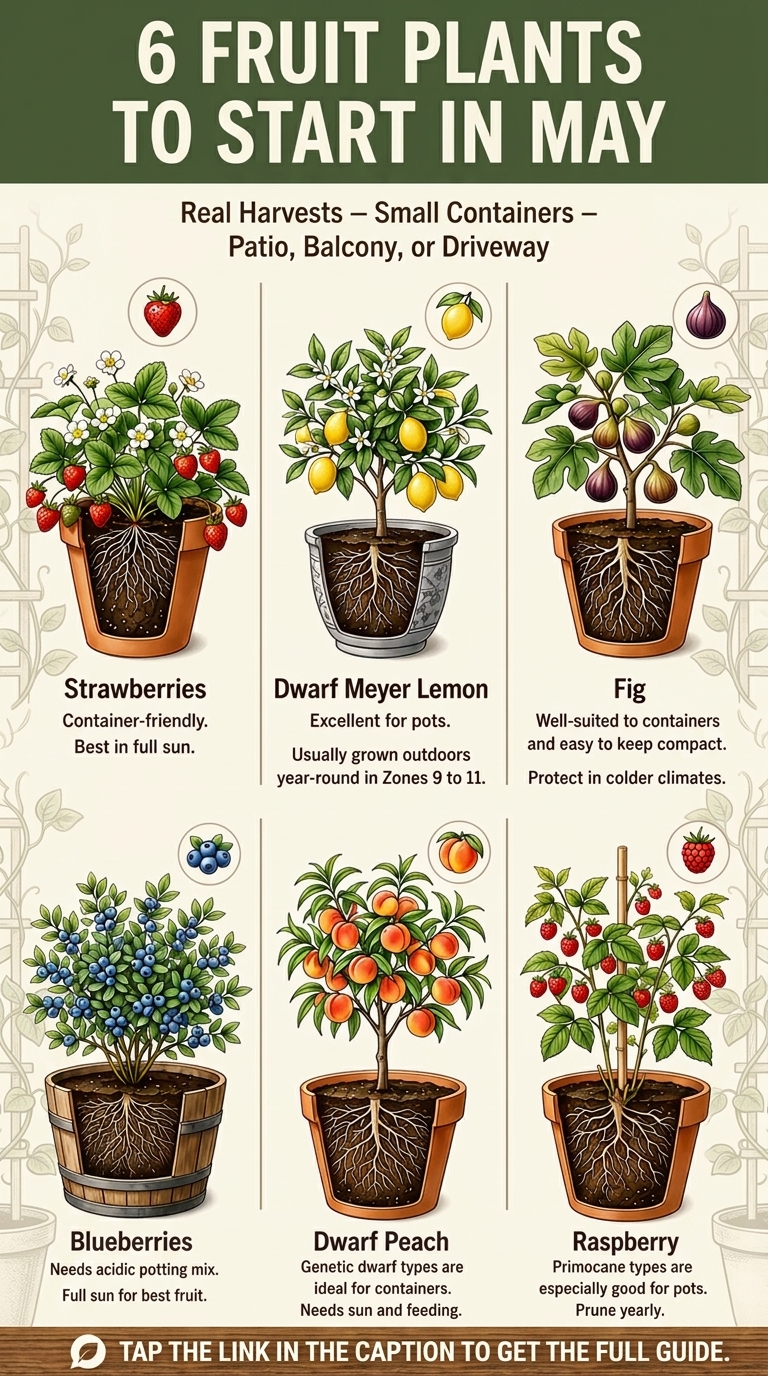
Strawberries are perhaps the most prolific fruit for container gardens. Because they have relatively shallow root systems, they thrive in pots, hanging baskets, or vertical planters. To ensure success, choose ‘everbearing’ or ‘day-neutral’ varieties, which produce fruit throughout the season rather than once in early summer. Ensure your container has excellent drainage and place it in a location that receives at least six to eight hours of direct sunlight daily.
2. Dwarf Lemon Trees
Citrus trees are surprisingly adaptable to pot life, provided you choose the right variety. The Meyer Lemon is the gold standard for container gardeners. These trees are naturally smaller than standard orchard varieties and are incredibly fragrant. Keep your lemon tree in a high-quality, well-draining citrus potting mix and be prepared to move it indoors if you live in a region that experiences freezing temperatures during the winter months.
3. Figs
Figs are remarkably hardy and actually seem to prefer the slightly restricted environment of a container. A pot helps control their size and encourages fruit production rather than excessive leafy growth. Look for self-pollinating cultivars such as ‘Brown Turkey’ or ‘Chicago Hardy.’ These plants are heat-lovers, so place them against a sunny wall that will radiate heat back onto the plant throughout the day.
4. Blueberries
Blueberries are unique because they require highly acidic soil to thrive. Growing them in containers makes this much easier to manage than amending a large plot of garden soil. Use a potting mix specifically designed for acid-loving plants, such as a rhododendron or azalea mix. Remember that most blueberries require cross-pollination to fruit well, so try planting two different varieties that bloom at the same time in the same container or two separate pots placed side-by-side.
5. Patio Peaches
Modern breeding has introduced ‘columnar’ or ‘patio’ peach trees designed specifically for small spaces. These varieties stay small—often reaching only four to five feet in height—but produce full-sized, delicious fruit. They require a large pot (at least 15 gallons) and plenty of sun. Regular pruning is essential to keep the center of the tree open to light and air, which helps prevent fungal issues and ensures the fruit ripens evenly.
6. Raspberries
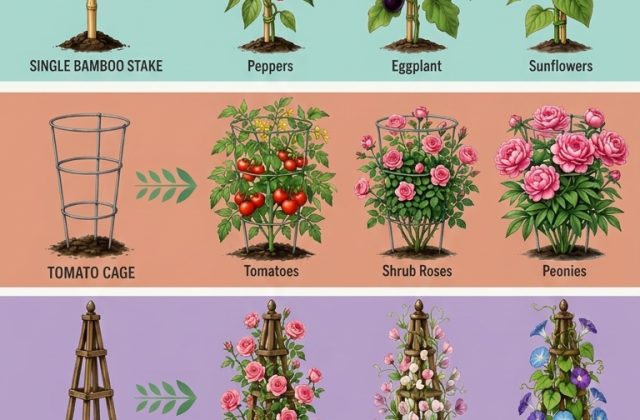
For container-grown raspberries, focus on ‘primocane’ varieties. These types produce fruit on the current season’s canes, making them much easier to prune. Simply cut the canes back to the soil level in late winter once the harvest is over. Raspberries require a sturdy trellis or support structure within the pot to keep them upright, especially when they become heavy with fruit in late summer.
Practical Tips for Container Success
- Drainage is Non-Negotiable: Always ensure your pots have large drainage holes. Fruit trees and bushes dislike ‘wet feet’ and will succumb to root rot quickly if water sits at the bottom of the container.
- Watering Frequency: Containers dry out much faster than garden beds. In the heat of May and throughout the summer, check the soil moisture daily. If the top two inches feel dry, it is time to water.
- Fertilization: Because nutrients leach out of containers with regular watering, you must supplement. Use a slow-release, balanced organic fertilizer at the start of the season, and consider a liquid seaweed or fish emulsion boost mid-summer.
- Pot Selection: Choose light-colored pots if you live in a very hot climate to prevent the roots from overheating, and ensure the material is durable enough to withstand the weight of the plant as it grows.
Starting your fruit collection in May allows your plants to settle in during the spring growth flush. By selecting the right varieties and providing consistent care, you can turn a modest collection of pots into a productive, edible landscape that rewards you with fresh, homegrown harvests year after year.