


Understanding Plant Growth Habits
In the world of gardening, success often comes down to how well you manage vertical space. When you let vegetables sprawl across the ground, you increase the risk of disease, pests, and fruit rot. By matching each vegetable to its ideal support system, you encourage better airflow, easier harvesting, and significantly higher yields. Before you rush to the garden center, it is crucial to understand that not all vegetables climb in the same way.
The Twining Climbers
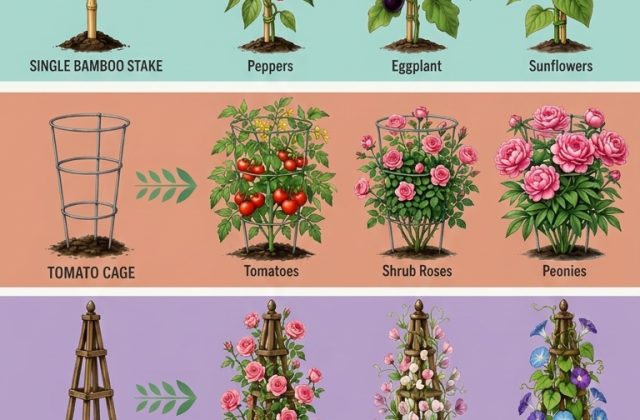
Plants like pole beans and morning glories are “twiners.” They possess specialized stems that naturally spiral around vertical supports. For these plants, thin, vertical structures are the gold standard. A simple bamboo stake, a tall garden pole, or even a piece of sturdy twine secured to an overhead beam will suffice. They do not need wide netting; they simply need a consistent vertical path to climb. If you provide a support that is too thick, such as a large wooden post, the plant will struggle to wrap its tendrils around it, leading to a frustrated, tangled mess.
The Tendril Climbers
Peas, cucumbers, and many types of squash are masters of the tendril. Tendrils are small, curly appendages that reach out to grab onto anything they touch. These plants thrive on horizontal mesh, such as cattle panels, plastic garden netting, or nylon trellis netting. Unlike twiners, which only need a thin pole, tendril climbers need a surface with a grid pattern. This allows them to anchor themselves at multiple points across the width of the trellis, providing the stability necessary to support the weight of heavy fruits like cucumbers or snap peas.
The Scramblers and Leaners
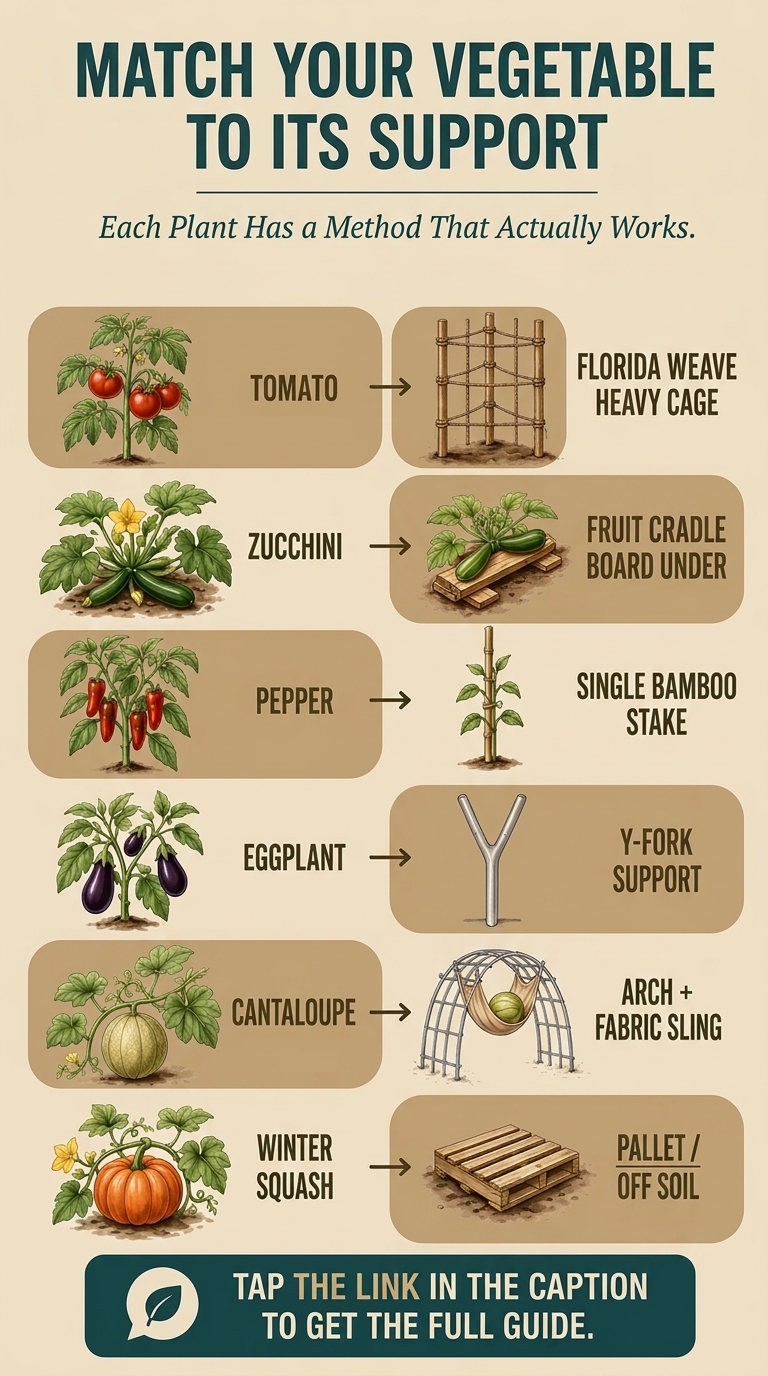
Some plants, such as indeterminate tomatoes and certain varieties of heavy-fruiting peppers, are technically “scramblers.” They do not have tendrils or twisting stems to hold onto supports. Instead, they lean against their environment. If left unsupported, they will eventually collapse under their own weight. For these plants, you need a containment system rather than a climbing structure. A traditional conical tomato cage is a classic choice, but for more vigorous growers, a “Florida weave” system—using stakes and twine to sandwich the plants in place—is often far more effective and durable.
Practical Tips for Trellis Success
- Material selection matters: Use rot-resistant materials like cedar, bamboo, or powder-coated steel to ensure your support lasts through the entire growing season.
- Install early: Always place your trellises at the time of planting or shortly after. Inserting a trellis into the ground once a plant is established risks damaging the root system and can shock the vegetable during a critical growth phase.
- Weight distribution: Consider the mature weight of the produce. A heavy heirloom tomato or a large butternut squash will snap thin bamboo stakes. Use heavy-duty metal cattle panels for larger squash and melons to prevent structural failure.
- Airflow and sunlight: Orient your trellises to avoid casting large shadows over your smaller, sun-loving plants. Placing your tallest supports on the north side of the garden ensures that your shorter crops still receive the direct sunlight they need to thrive.
By taking the time to match your vegetable to the specific architecture of its support, you are doing more than just keeping the garden tidy. You are creating a professional-grade environment that protects your harvest and maximizes your square footage. Whether you are using simple twine or elaborate metal fencing, the best trellis is the one that respects the natural growth style of the plant it holds.