


Elevate Your Harvest: A Guide to Proper Plant Staking
Every seasoned gardener knows the frustration of walking out to the garden after a heavy rain, only to find a prize tomato plant flattened against the mud or a delicate vine tangled in a chaotic heap on the ground. Providing the right structural support is not just about aesthetics; it is a fundamental aspect of plant health, airflow, and overall productivity. By selecting the correct support system for your specific crops, you can prevent disease, maximize sun exposure, and make harvesting significantly easier.
The Necessity of Structural Support
Why bother with stakes and cages? Plants that naturally sprawl or climb have evolved to search for light. When they are left to grow across the soil surface, they become prone to fungal infections due to poor air circulation and constant contact with soil-borne pathogens. Furthermore, heavy fruit—like beefsteak tomatoes or winter squash—can weigh down branches, leading to stems that crack under pressure. Providing support elevates your plants, keeps foliage dry, and creates a clean, vertical environment that saves space in smaller gardens.
Matching Support Types to Your Crops
Not every plant needs the same structure. Understanding the growth habit of your specific vegetables and flowers will help you invest in the right gear.
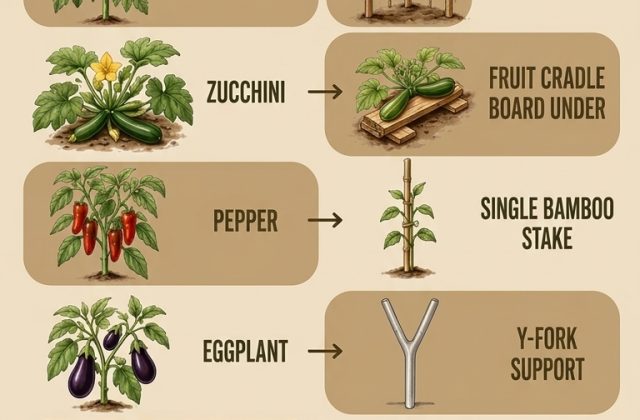
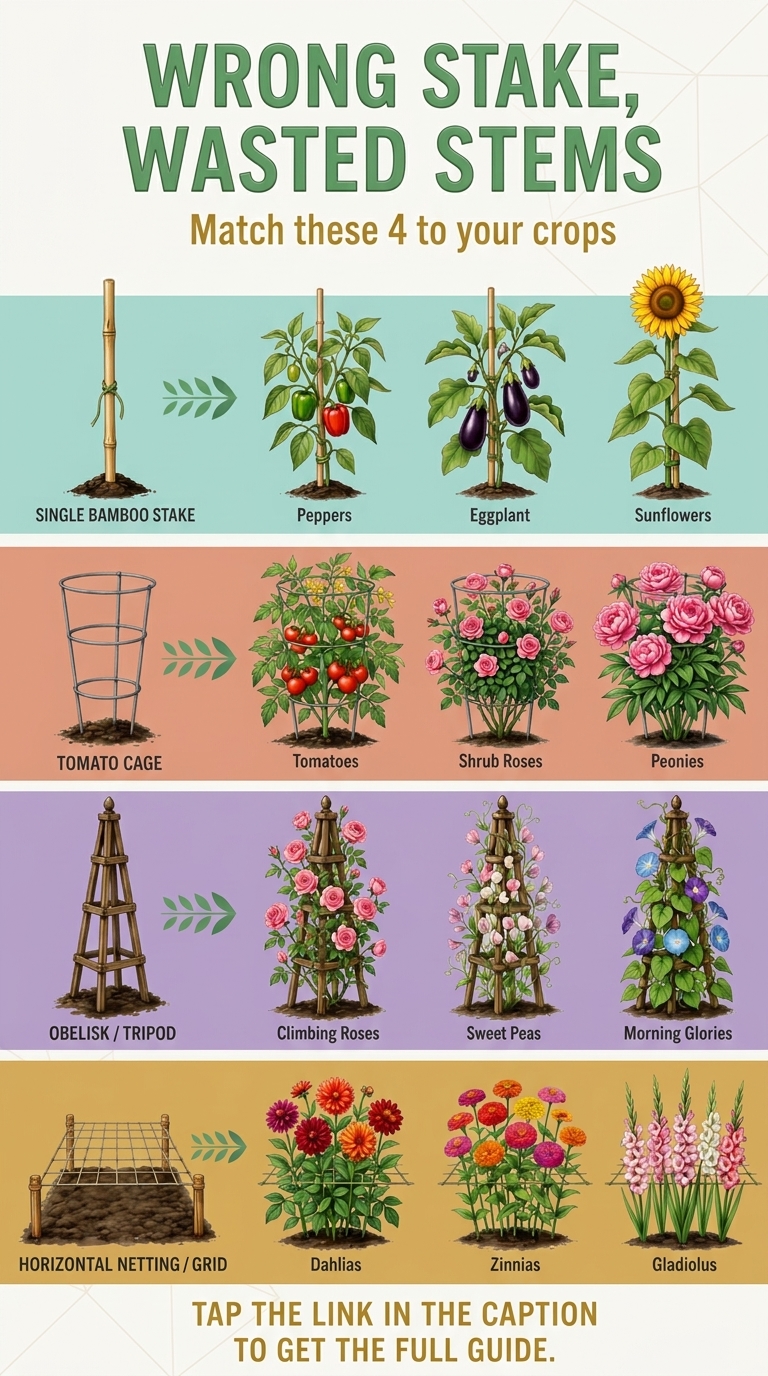
- Bamboo Stakes for Peppers and Eggplants: These plants are relatively sturdy but can snap during high winds or under the weight of a heavy fruit load. A single, sturdy bamboo stake placed next to the main stem allows you to loosely tie the plant for support without restricting its growth.
- Cages for Tomatoes: Indeterminate tomato varieties require significant structural integrity. A wire cage provides circular support that encourages the plant to grow upward while offering multiple points of attachment for branches. This is ideal for those who prefer a lower-maintenance approach, as the cage holds the foliage up as it develops.
- Obelisks for Climbers: Flowering vines like morning glories, sweet peas, or even pole beans look spectacular on an obelisk. These structures add height and architectural interest to your garden beds while giving delicate tendrils a clear path toward the sun.
- Grids and Netting for Cut Flowers: For tall, stem-heavy flowers like dahlias, zinnias, or snapdragons, horizontal netting or grids are the gold standard. By installing a grid across your flower bed, you allow the stems to grow through the openings, which keeps them upright even during stormy weather, resulting in straighter stems for your bouquets.
Best Practices for Installation
Timing is everything when it comes to staking. The most common mistake gardeners make is waiting until the plant is already large and leaning before trying to install a support. This often leads to root damage, as you are forcing a stake into the middle of an established root system.
Install your stakes, cages, or obelisks at the time of planting. If you are using seedlings, place the stake a few inches from the base of the plant. As the plant grows, you can gently guide it toward the structure. Use soft materials like garden twine, strips of old cotton fabric, or specialized Velcro garden ties to secure the plant. Avoid using thin wire or tight zip ties, which can cut into the stems and introduce disease or impede the flow of nutrients.
Long-Term Garden Maintenance
Once your supports are in place, check them periodically throughout the season. Winds can loosen ties, and rapidly growing plants may outpace the current height of their support. By staying proactive, you ensure that your garden remains both organized and productive from the first sprout to the final harvest. Remember, a well-supported plant is a healthier, more vigorous producer that brings less stress to the gardener and more beauty to the landscape.