


Hydroponic gardening is more than just a modern trend; it is a highly efficient, space-saving method of growing plants that skips the soil entirely. By delivering nutrient-rich water directly to the root zone, hydroponics allows gardeners to exercise precise control over their plants’ environment. Whether you are limited by urban space or simply want to maximize your crop yields, understanding the core systems is your first step toward success.
Understanding Deep Water Culture (DWC)
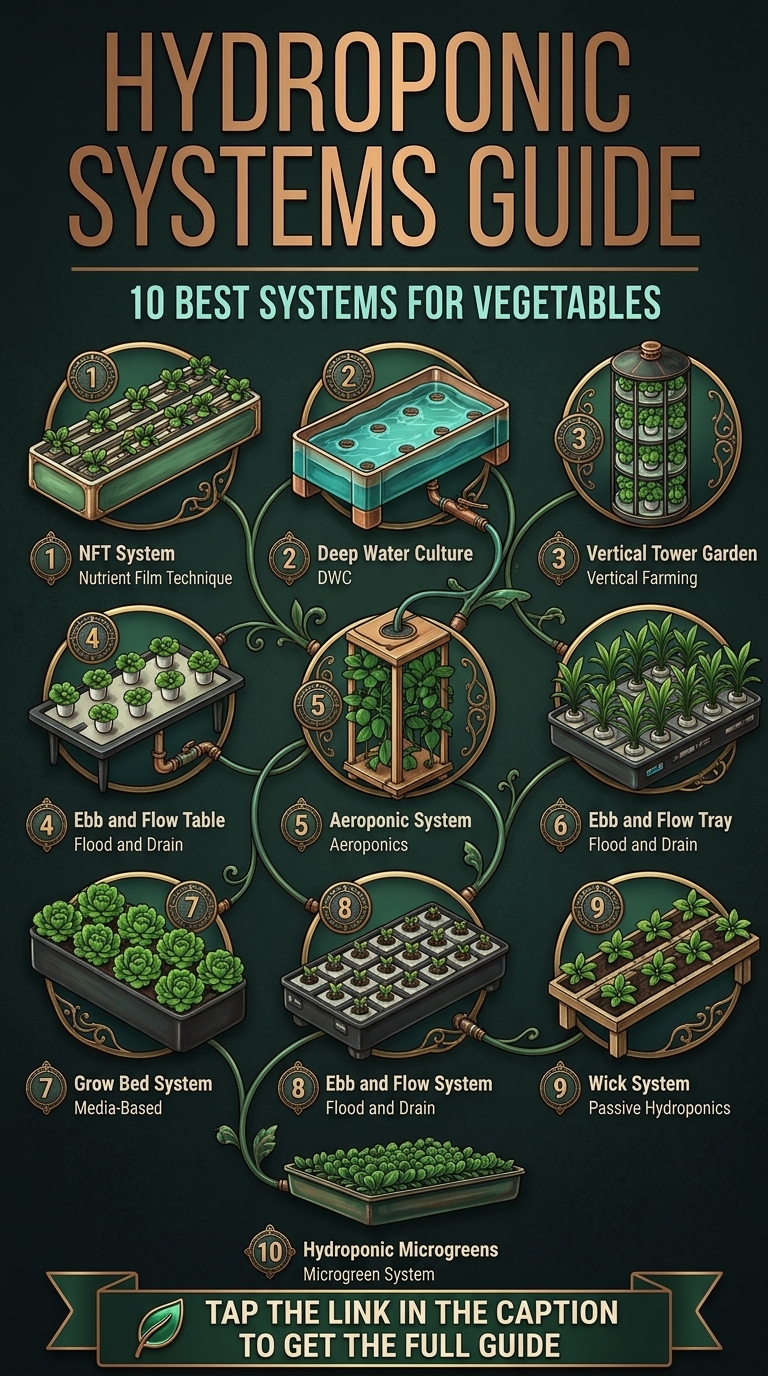
Deep Water Culture is perhaps the most accessible entry point for beginners. In this setup, plant roots are suspended in a reservoir of oxygenated, nutrient-rich water. Because the roots are constantly submerged, the plants have continuous access to everything they need to thrive. The key to DWC success is aeration. Because the water is still, you must use an air pump and an air stone to keep the water oxygenated. Without sufficient bubbles, the roots will suffer from oxygen deprivation, leading to root rot. DWC is excellent for fast-growing, water-loving plants like lettuce and herbs.
The Nutrient Film Technique (NFT)
The Nutrient Film Technique is a favorite among commercial growers and vertical gardeners. In this system, a very shallow stream—or “film”—of nutrient solution is continuously recirculated over the tips of the plant roots. These roots sit in a slanted channel or pipe, allowing the excess solution to flow back into a main reservoir. Because the roots are exposed to both the nutrient film and the air inside the channel, they get a perfect balance of hydration and oxygen. NFT is highly efficient regarding water usage, but it requires a reliable power supply; if your pump fails, the roots can dry out very quickly.
Exploring Aeroponics
Aeroponics represents the high-tech frontier of indoor growing. In an aeroponic system, plants are suspended in a closed chamber, and their roots hang in mid-air. Instead of being submerged or sitting in a stream, the roots are misted at regular intervals with a nutrient solution. Because the roots are completely exposed to air, this method allows for incredible growth rates, as the plants receive maximum oxygenation. While highly productive, aeroponics can be sensitive to equipment malfunctions. A clogged mister can cause plant distress in a matter of hours, making this a system better suited for those comfortable with routine maintenance.
Vertical Tower Systems
Vertical towers are the ultimate solution for gardeners dealing with small balconies or limited indoor floor space. These systems use a pump to push water to the top of a column, which then trickles down through the internal structure, feeding roots along the way. Towers often combine elements of NFT or aeroponics. They allow you to grow dozens of plants in a footprint that would normally only support three or four in a traditional garden bed. They are an aesthetic and functional way to turn a sunny wall into a productive vegetable source.
Practical Tips for Success
- Monitor your pH levels: Hydroponic plants are sensitive to pH imbalances. Most vegetables thrive in a range between 5.5 and 6.5.
- Keep the water cool: High water temperatures can encourage bacteria growth and reduce oxygen levels. Aim to keep your reservoir below 75 degrees Fahrenheit.
- Start with simple crops: If you are new to the hobby, begin with leafy greens like kale, spinach, or basil. These are forgiving and grow exceptionally well in water-based systems.
- Consistency is key: Always keep a backup pump on hand. Because hydroponic systems do not have soil to act as a buffer, your plants depend entirely on the mechanical components for survival.
By selecting the system that best matches your space and commitment level, you can enjoy fresh, pesticide-free produce year-round, regardless of the weather outside your door.