


Every gardener dreams of a self-sustaining ecosystem where the waste from the kitchen fuels the bounty of the backyard. While commercial fertilizers are readily available, many of the most effective soil amendments are already sitting in your compost bin or kitchen trash. By repurposing common household items like coffee grounds, eggshells, and milk, you can provide your plants with essential nutrients while reducing your environmental footprint.
The Power of Spent Coffee Grounds
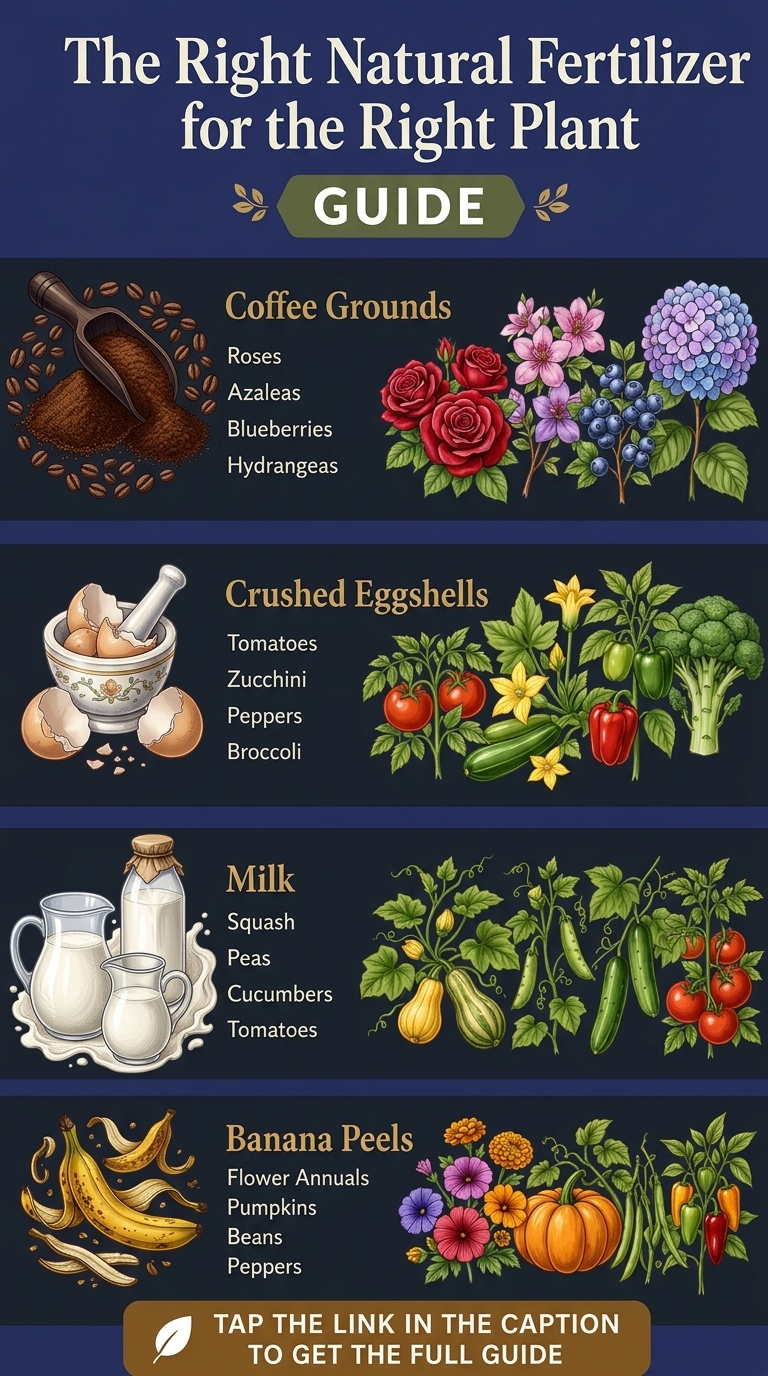
Spent coffee grounds are a gardener’s best friend, particularly for acid-loving plants. When you brew a pot of coffee, the resulting grounds remain slightly acidic and retain a good amount of nitrogen, which is the primary driver of leafy green growth. This makes them an excellent soil amendment for roses, azaleas, rhododendrons, and blueberries, all of which thrive in lower-pH environments.
To use them effectively, you should avoid dumping thick, wet clumps directly onto the soil, which can cause molding or create a water-repellent barrier. Instead, mix the grounds into your topsoil or incorporate them into your compost pile first. A thin layer worked into the root zone once a month during the growing season is usually sufficient to give your acid-loving shrubs a gentle nutritional boost.
Calcium-Rich Eggshells for Fruit Production
If you have ever experienced blossom end rot on your tomatoes, squash, or peppers, you have likely encountered a calcium deficiency. Calcium is essential for cell wall development, and when a plant cannot transport enough of it to the ripening fruit, the bottoms turn brown and leathery. Crushed eggshells are a fantastic, slow-release source of calcium carbonate.
The key to using eggshells is preparation. Simply tossing a whole eggshell into your garden will do very little, as it takes years for them to break down in their raw form. To make them bioavailable, wash and dry your eggshells thoroughly. Once dry, crush them into a fine powder using a blender or a mortar and pestle. You can then sprinkle this dust into the bottom of planting holes when transplanting seedlings or scatter it around the base of established plants. This method ensures that calcium is readily available in the soil as the plant begins its heavy fruiting stage.
Harnessing Milk for Plant Health
Milk might seem like an unlikely garden amendment, but it is a surprisingly effective tool for certain vegetables. It contains proteins, lipids, and vitamins that can strengthen the plant’s foliage and soil structure. Furthermore, some gardeners use diluted milk sprays as a preventative measure against powdery mildew, a common fungal issue that plagues squash, cucumbers, and peas.
To apply milk to your garden, you must use a diluted solution to prevent the dairy fats from turning rancid or attracting pests. A mixture of one part milk to nine parts water is generally considered safe for foliar application. Spray this mixture on the leaves of your squash or cucumber plants on a sunny morning to allow it to dry quickly. The proteins in the milk interact with sunlight to create an antiseptic effect on the surface of the leaves, which can help keep fungal spores at bay.
Practical Tips for Success
- Compost First: Whenever possible, add your coffee grounds and eggshells to a compost heap before applying them to the garden. This allows beneficial microorganisms to break down the materials into a form that plants can easily absorb.
- Test Your Soil: Before making massive changes to your soil chemistry with coffee grounds or lime-rich eggshells, perform a basic soil test. Understanding your starting point ensures you aren’t over-correcting your pH balance.
- Moderation is Key: Natural does not always mean limitless. Over-applying any substance, even organic ones, can disrupt soil drainage or nutrient uptake. Apply these amendments as a supplemental snack, not a total replacement for a healthy, compost-rich soil base.
- Monitor for Pests: When using food scraps in the garden, be mindful that fresh kitchen waste can occasionally attract local wildlife. If you notice animals digging up your garden beds, bury your eggshells or coffee grounds deeper into the soil or stick to fully decomposed compost.
By integrating these kitchen scraps into your gardening routine, you transform waste into a resource. It is a slow, rhythmic way of gardening that connects your daily life to the cycles of the earth, ensuring your backyard remains vibrant, healthy, and productive season after season.