


Unlocking the Potential of Your Kitchen Waste
Every home gardener eventually reaches a point where they wonder if they can do more with the organic waste leaving their kitchen. Instead of sending coffee grounds, eggshells, and leftover milk to the landfill, you can transform these items into potent, natural fertilizers. By repurposing these scraps, you are not only saving money on commercial fertilizers but also closing the loop in your backyard ecosystem, returning valuable nutrients directly to the soil.
Coffee Grounds: The Acid-Loving Plant Booster
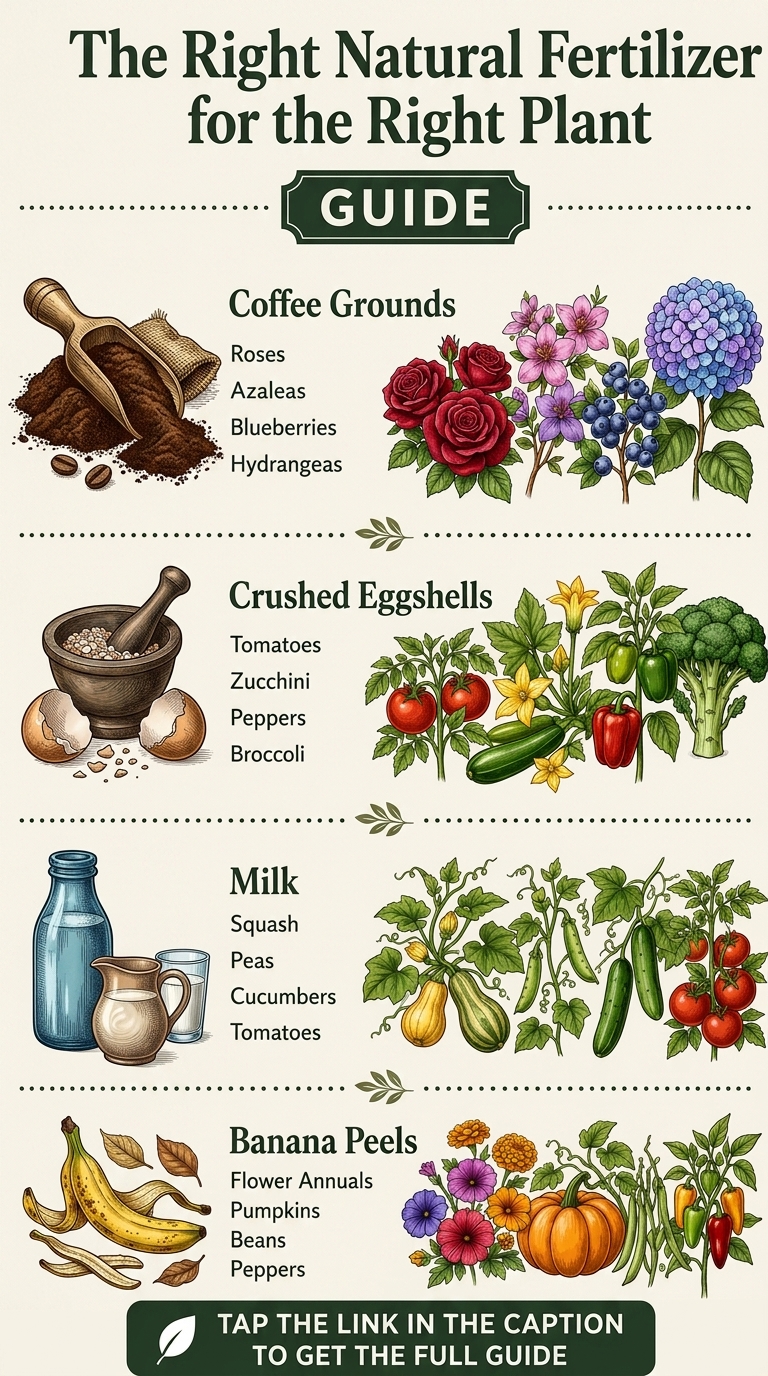
Coffee grounds are rich in nitrogen, a key macronutrient that promotes lush, green foliage growth. However, it is a common misconception that coffee grounds are purely acidic. While used grounds are nearly neutral in pH, they are excellent for plants that thrive in slightly acidic conditions, such as roses, azaleas, rhododendrons, and blueberries. The fine texture of coffee grounds also helps improve soil structure and aeration over time.
- How to use: Sprinkle used coffee grounds thinly around the base of your plants. Avoid piling them in thick clumps, as this can create a moisture-blocking crust that prevents water from reaching the roots.
- Caution: Ensure the grounds are thoroughly used; raw, un-brewed coffee may be too acidic for some delicate seedlings.
Eggshells: The Calcium Powerhouse for Fruiting Vegetables
When your tomato plants develop brown, sunken spots on the bottom of the fruit—a condition known as blossom end rot—it is often a sign of a calcium deficiency. Eggshells are composed almost entirely of calcium carbonate, making them an ideal slow-release amendment to correct this issue. They are particularly beneficial for heavy feeders like tomatoes, peppers, and zucchini.
- How to use: Simply rinsing eggshells is not enough to make them accessible to your plants. You must crush them into a fine powder. The finer the texture, the faster the soil microbes can break them down into a form your plants can absorb.
- Application tip: Mix the crushed shells into the soil at the time of planting to ensure the calcium is available to the roots as the plant matures.
Milk: A Surprising Remedy for Garden Pests and Growth
While it may seem unconventional, diluted milk can act as a beneficial fertilizer for specific garden crops. Milk contains calcium, protein, and sugar, which can help improve the health of squash, peas, and cucumbers. Additionally, some gardeners use a milk-and-water solution as a foliar spray to help combat powdery mildew, a common fungal disease that plagues many cucurbits.
- How to use: Mix one part milk with nine parts water. You can apply this mixture as a gentle soil drench or as a light mist on leaves to suppress fungal growth.
- Important note: Always use this sparingly and monitor for mold growth. If the smell becomes sour or foul, stop application immediately and ensure your garden has enough airflow.
Best Practices for Natural Fertilizing
Integrating kitchen scraps into your gardening routine requires a bit of patience. Unlike synthetic chemical fertilizers that offer an immediate nutrient spike, natural amendments work in harmony with the soil food web. Here are a few tips to ensure success:
- Composting vs. Direct Application: While these scraps can be used directly, the most effective way to use them is through a composting system. Composting stabilizes the nutrients and prevents pests from being attracted to raw food waste in the garden bed.
- Test Your Soil: Before adding amendments, consider performing a basic soil test. Understanding your current pH and nutrient levels will prevent you from accidentally over-fertilizing or creating an imbalance in your soil.
- Observe Your Plants: No recipe works for every plant in every climate. Watch for signs of yellowing leaves, stunted growth, or wilting, and adjust your application methods accordingly.
By shifting your perspective on what constitutes ‘waste,’ you can turn your kitchen into a resource center for your garden. With a little experimentation and careful observation, you will see your roses bloom brighter, your tomatoes grow sturdier, and your garden thrive with the power of natural, sustainable inputs.