


Every seasoned gardener remembers the thrill of seeing that first pale green loop break through the soil surface. It is a moment of pure magic, yet it is also the culmination of biological processes that many beginners overlook. Understanding that every plant species operates on its own unique internal clock is the first step toward moving from a novice planter to a confident grower.
Understanding the Germination Trigger
Germination is not simply the act of a seed waking up; it is a complex physiological event. Inside every dormant seed lies an embryo, a food source, and a protective coat. To initiate growth, the seed requires three non-negotiable elements: water, oxygen, and the correct temperature. Without the perfect balance of these factors, the seed will either remain dormant or, in the worst-case scenario, rot in the soil.
The Importance of Timing and Temperature
One of the most common reasons for failed germination is planting at the wrong time. If you force a cold-weather crop like peas into soil that is too warm, or attempt to start tropical peppers in a chilly windowsill, you are working against nature. Seeds have specific thermal requirements. Most cool-season crops prefer soil temperatures between 50 and 65 degrees Fahrenheit, while warm-season crops often demand 70 to 85 degrees to truly thrive. Investing in a soil thermometer is one of the most practical upgrades a home gardener can make to improve their success rates.
The Water Balance: A Delicate Act
Water is the key that unlocks the door, but it can also be a hazard. Seeds need to be kept consistently moist to hydrate the embryo, but they must not be waterlogged. Over-saturation eliminates the oxygen pockets in the soil, effectively drowning the developing root before it can establish. Use a misting bottle or a bottom-watering tray to provide moisture without compacting the soil or causing surface crusting, which can physically trap delicate seedlings.
Common Pitfalls and How to Avoid Them
- Planting Too Deep: A general rule of thumb is to plant a seed no deeper than two or three times its width. Many tiny seeds, such as lettuce or snapdragons, require light to germinate and should barely be covered by the soil surface.
- Poor Seed Quality: Not all seeds are created equal. If you are using leftover packets from several years ago, your germination rate will naturally decline. Test your seeds by placing a few in a damp paper towel to check for viability before committing to a full tray.
- Inconsistent Environment: Fluctuating temperatures can confuse seeds. Try to maintain a stable environment using a heat mat if you are gardening in a cooler climate, and avoid placing starter trays in drafty areas near windows or doors.
Patience is Your Greatest Tool
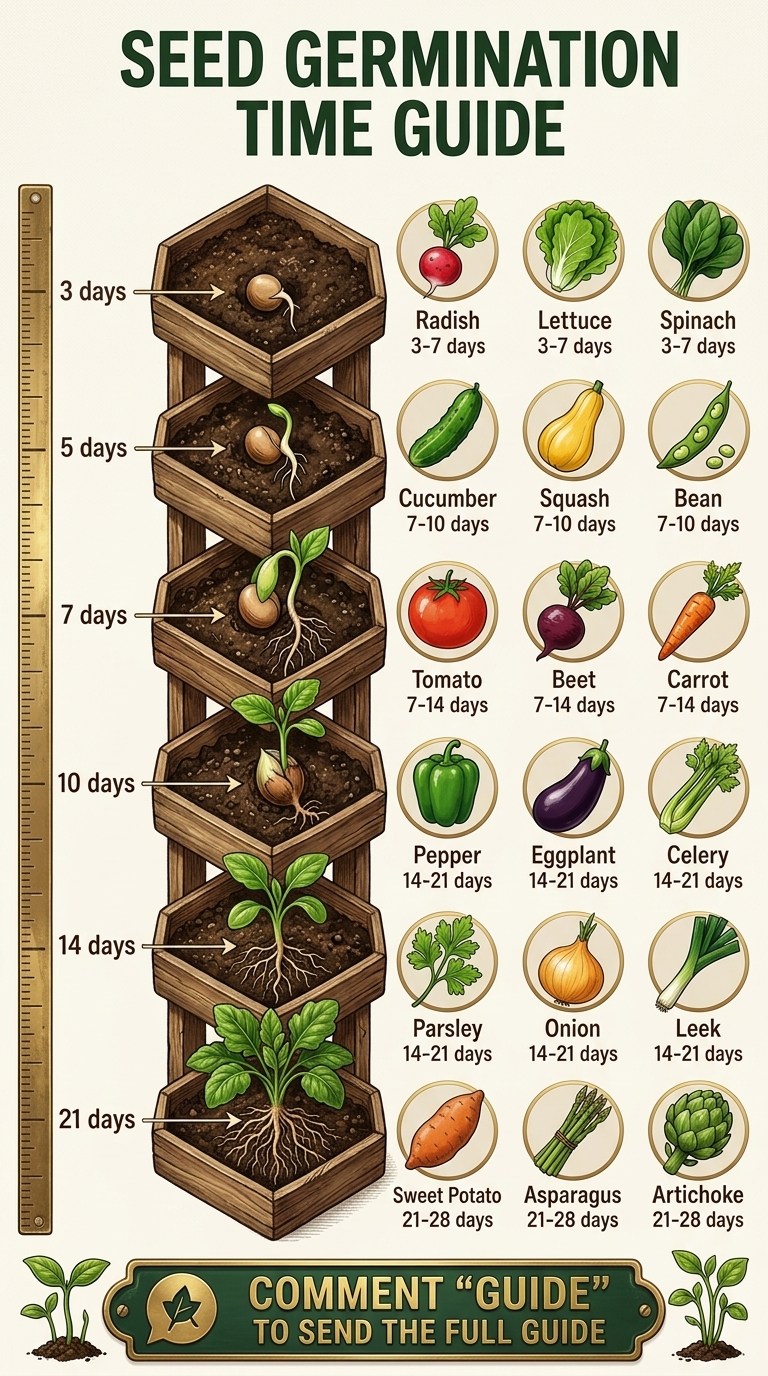
Perhaps the most important lesson in seed starting is that nature cannot be rushed. A radish may sprout in as little as three days, while hardy perennials or woody shrubs might take weeks, or even months, of stratification to break their natural dormancy. Do not give up on your trays simply because you do not see action within a week. Observe the soil, keep the moisture levels consistent, and wait for the natural cycle to take its course.
By mastering these fundamental environmental controls, you ensure that your plants start their lives with the strongest possible foundation. Gardening is a long-term commitment, and the time you spend learning the specific needs of your seeds will pay off exponentially during the harvest season.