


The Philosophy of Perpetual Harvesting
One of the most rewarding aspects of vegetable gardening is the ability to maximize your yield without needing to constantly replant. This is the concept of ‘cut-and-come-again’ harvesting, a method that turns your vegetable patch into a sustainable, recurring food source. Rather than harvesting an entire plant at once, you harvest only what you need, allowing the remaining plant to continue its growth cycle.
Why Choose Cut-and-Come-Again Varieties?
The primary benefit of this method is efficiency. By selecting vegetables that regrow their leaves or stalks, you reduce the time and expense associated with starting new seedlings. It also extends your growing season, providing a consistent supply of fresh greens or herbs throughout the spring, summer, and into the autumn months. Furthermore, this approach minimizes soil disturbance, which helps maintain the health of your garden’s microbiome.
The Top 9 Vegetables for Continuous Yield
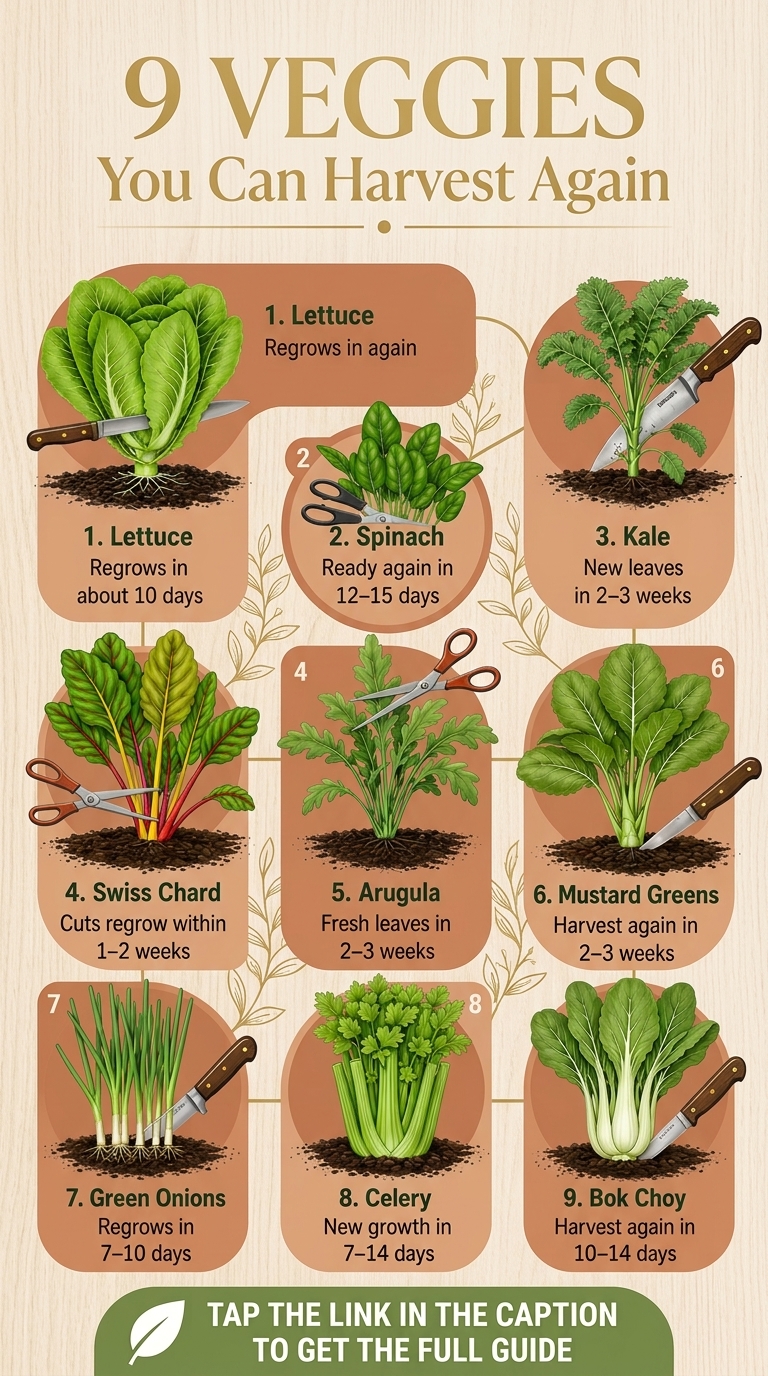
- Leaf Lettuce: Perhaps the most prolific of all, leaf lettuce varieties can be harvested in as little as 10 to 14 days after germination. Simply trim the outer leaves and allow the inner core to continue producing.
- Kale: A garden powerhouse, kale is incredibly hardy. By picking the mature, outer leaves, you encourage the center of the plant to keep pushing out new growth, allowing for a steady harvest throughout the cooler months.
- Swiss Chard: Often overlooked, chard is a standout for continuous production. The plant develops a robust root system that fuels rapid leaf regeneration once external leaves are harvested.
- Arugula: Known for its peppery bite, arugula grows fast. Regular trimming helps prevent the plant from bolting too quickly, extending its productive life.
- Spinach: If planted in favorable, cool conditions, spinach is an excellent candidate for the cut-and-come-again method. Focus on harvesting the largest leaves first.
- Bok Choy: Similar to other brassicas, you can harvest the outer stalks of bok choy while leaving the heart intact, allowing the plant to sustain itself for weeks longer than a standard harvest.
- Mustard Greens: These greens are fast-growing and provide a spicy kick to salads. Consistent harvesting keeps the plant in a vegetative state, delaying the flowering process.
- Endive: Much like lettuce, endive provides a crisp, bitter profile that works perfectly when harvested incrementally.
- Collard Greens: These are exceptionally durable. You can keep a single collard plant productive for an entire season by harvesting only what is needed for your immediate meals.
Practical Tips for Success
To get the most out of your cut-and-come-again garden, you must follow a few best practices. First, always use clean, sharp garden shears. Ragged cuts can damage the tissue and invite disease or pest issues. Ensure you are never removing more than one-third of the plant at any single time; the plant needs its remaining foliage to photosynthesize and recover.
Second, hydration and nutrition are key. Because these plants are working harder than those grown for a single harvest, they require consistent moisture and high-quality soil. Adding a light layer of compost or a gentle organic liquid fertilizer between harvests can help replenish the nutrients they have invested in leaf production.
Finally, keep an eye on the life cycle. While these plants can produce for a long time, they will eventually want to ‘bolt’ or go to seed, especially as temperatures rise. Once you see a central flower stalk beginning to form, it is often best to let the plant finish its cycle, collect the seeds, and replant for the next season. By mastering this rhythm, you ensure your kitchen garden remains both abundant and sustainable throughout the year.