


Creating a Season-Long Display
Every gardener dreams of a landscape that stays colorful from the first warm days of late spring until the crisp air of autumn. While many plants offer a brief, spectacular show, the true secret to a thriving garden lies in selecting varieties known for their extended bloom cycles. By focusing on species that don’t quit, you can transform your outdoor space into a sanctuary of constant color.
The Powerhouses of Summer Color
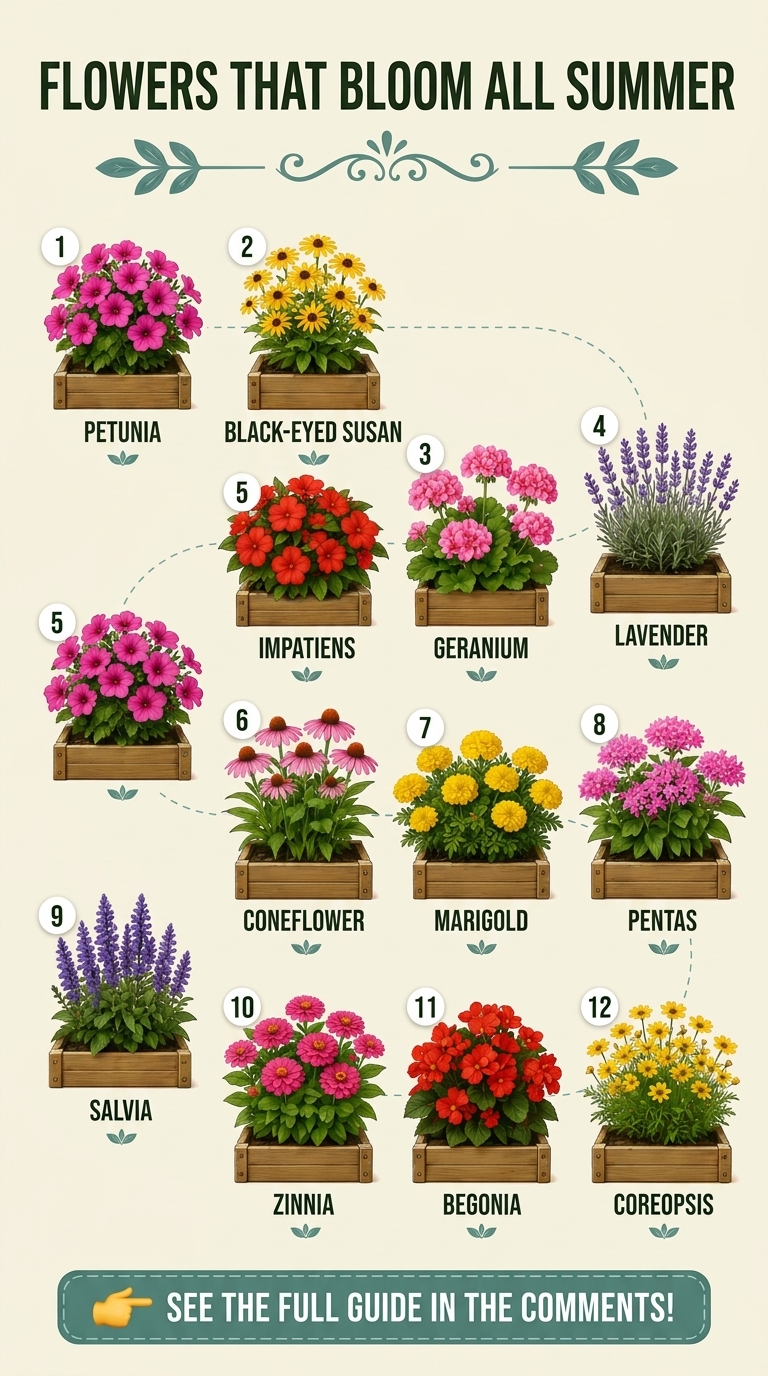
Several plants stand out for their endurance and ability to handle the intensity of the summer sun. Understanding their unique needs is the first step toward a thriving garden.
- Petunias: These are the workhorses of the hanging basket and container world. They bloom continuously from spring until the first frost, provided they receive plenty of sunlight and regular deadheading.
- Black-Eyed Susans (Rudbeckia): Known for their cheerful golden-yellow petals and dark centers, these perennials are incredibly hardy. They are excellent for pollinators and provide a classic meadow-garden aesthetic.
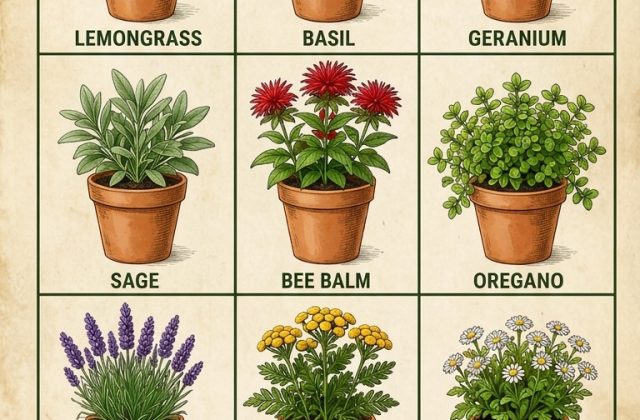
- Geraniums: Whether you choose zonal or ivy types, geraniums are incredibly resilient. They tolerate heat well and offer bright pops of color that look great in both garden beds and window boxes.
- Lavender: Beyond its intoxicating fragrance, lavender offers beautiful purple spikes that attract bees and butterflies. It thrives in well-draining soil and loves the heat of midsummer.
- Coneflowers (Echinacea): These are staples for the drought-tolerant garden. Once established, they can handle dry spells while sending up stalk after stalk of vibrant daisy-like flowers.
- Marigolds: Easy to grow from seed, marigolds are reliable bloomers that add warm oranges and yellows to the garden. They are also fantastic for pest management in vegetable beds.
- Pentas: If you want to attract butterflies, look no further than pentas. Their star-shaped flowers come in shades of pink, red, and white and bloom consistently even in the peak of summer heat.
- Salvia: With their tall, architectural flower spikes, salvias add vertical interest. They are particularly good for late-summer color when many other flowers begin to fade.
- Zinnias: If you want a garden that feels like a cut-flower farm, zinnias are essential. They grow fast and bloom heavily, and the more you cut them, the more flowers they produce.
- Begonias: Perfect for those shadier spots in your garden, begonias offer reliable color and lush foliage throughout the season, even when other plants struggle with the lack of direct light.
Practical Tips for Success
Selecting the right plants is only half the battle. To ensure these varieties bloom throughout the entire season, you must provide consistent care.
Deadheading is Key: For many of these varieties, such as petunias, zinnias, and marigolds, removing spent blooms is the most important task. When a plant stops blooming to produce seeds, it signals to the plant that its life cycle is complete. By snapping off the fading heads, you force the plant to redirect its energy back into producing new flower buds.
Strategic Watering: During the height of summer, container plants dry out rapidly. Check your pots daily, especially on windy or particularly hot days. For garden beds, it is better to provide a deep soaking twice a week rather than a light sprinkle every day, as this encourages the roots to grow deeper into the soil.
Feed Your Flowers: Plants that bloom continuously are heavy feeders. They burn through soil nutrients quickly. Consider using a slow-release granular fertilizer at planting time, supplemented by a liquid bloom-booster fertilizer every few weeks to keep the colors intense.
Designing for Continuity
When planning your layout, try to layer these plants based on their mature height. Place taller varieties like zinnias and black-eyed susans toward the back of the border, and use petunias or low-growing begonias as a colorful carpet in the front. This not only maximizes visual impact but also ensures that every plant gets its fair share of sunlight. By mixing these diverse varieties, you create an ecosystem that supports local pollinators while providing yourself with a stunning view all season long.