


For many home gardeners, the dream of a sprawling backyard vegetable plot is eventually tempered by the realities of soil management. Traditional in-ground beds are susceptible to soil-borne pathogens, stubborn weed infestations, and seasonal compaction that can choke root systems. This is why container gardening has shifted from a space-saving necessity to a preferred method for many hobbyists. By utilizing containers, you gain total control over the environment, allowing you to optimize drainage, soil quality, and thermal regulation.
Why Containers Outperform In-Ground Beds for Specific Crops
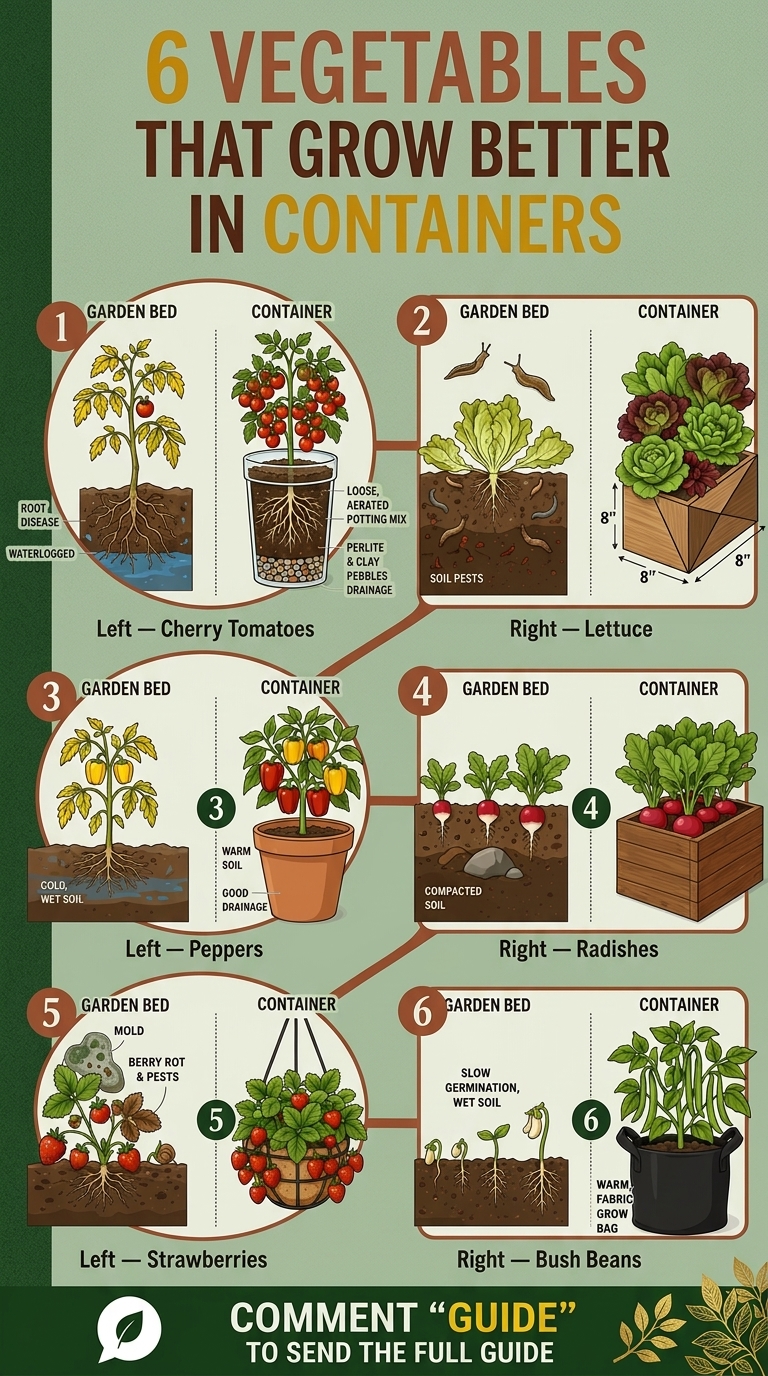
The primary advantage of container gardening is the ability to bypass poor native soil. While in-ground soil may be heavy clay or sandy, containers allow you to use a premium, airy potting mix that promotes root respiration. Furthermore, containers warm up significantly faster in the spring than the earth, giving heat-loving vegetables a head start on the season. Because pots are elevated, they are naturally less prone to pests like slugs and crawling insects, and they eliminate the risk of soil-borne diseases that often linger in fixed garden beds.
1. Tomatoes
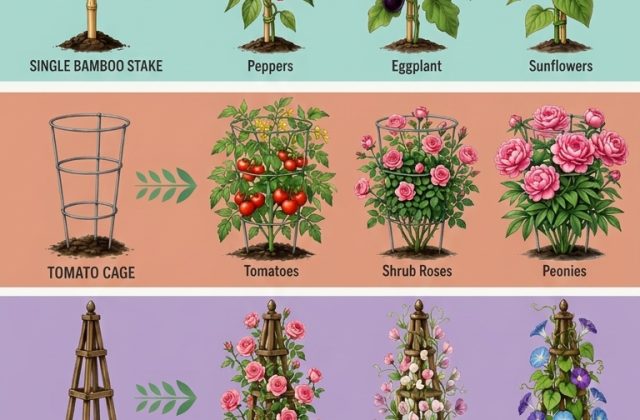
Tomatoes are the quintessential container crop. They require deep root space, but in a five-gallon container or larger, they often outperform their in-ground counterparts because the soil dries out more evenly, preventing the wide moisture swings that cause blossom end rot. Choose determinate or “bush” varieties for easier management, ensuring you provide a sturdy cage or stake early in the planting process.
2. Peppers
Whether you enjoy sweet bells or fiery habaneros, peppers love the warmth that black or dark-colored containers absorb. They thrive in pots because they dislike having “wet feet.” The superior drainage provided by a container prevents the root rot that often plagues peppers in heavy, slow-draining garden soil. Place them in your sunniest spot and watch them flourish.
3. Leafy Greens
Lettuce, arugula, and spinach are shallow-rooted, making them perfect for shallower pots or even window boxes. In the heat of summer, containers offer a unique advantage: mobility. If your greens begin to bolt, you can simply move the container to a partially shaded area to extend your harvest season by several weeks.
4. Radishes
If you are a beginner, radishes are the ultimate success story. They grow incredibly fast—often ready for harvest in under 30 days. Because they require very little soil depth, they can grow in wide, shallow containers that would be impractical for other crops. Growing them in containers also prevents them from being eaten by underground pests like wireworms that frequent garden beds.
5. Bush Beans
Unlike vining pole beans that require complex trellises, bush beans are self-supporting and compact. They produce a high yield per square foot in containers. Because bush beans prefer consistent moisture without waterlogging, the precise watering you can provide in a pot results in a much crunchier, more tender bean compared to those grown in inconsistent in-ground conditions.
6. Herbs
While many consider herbs a separate category, they are technically edible crops that suffer most in a traditional garden. Mediterranean herbs like rosemary and thyme struggle in the rich, moist soil required by most vegetables. In a container, you can tailor the soil pH and drainage specifically to the needs of your herbs, keeping them from rotting and ensuring their essential oils remain potent.
Practical Tips for Container Success
- Always Use Drainage Holes: Never plant in a container without holes. If your favorite pot lacks them, drill several half-inch holes in the bottom to ensure excess water can escape.
- Use Potting Mix, Not Garden Soil: Never scoop soil from your yard into a pot. It is too heavy and will compact, leading to root suffocation. Buy a high-quality potting mix formulated with peat moss, perlite, or coconut coir.
- Mind the Water: Containers dry out faster than the ground. During peak summer, you may need to water once or even twice a day. Check the soil moisture by inserting your finger two inches deep; if it is dry, it is time to hydrate.
- Fertilize Regularly: Because nutrients leach out of containers every time you water, you will need to replenish them. Use a liquid organic fertilizer every two to three weeks during the growing season to ensure your plants have the fuel they need to produce a bountiful harvest.