


Mastering Protective Garden Covers
Every gardener knows the heartbreak of watching a healthy crop decimated by pests, scorching sun, or a surprise frost. While many beginners view protective covers as a one-size-fits-all solution, the secret to a high-yielding, frustration-free season is matching the specific material to the needs of your crops. Using the wrong barrier can lead to poor air circulation, heat stress, or simply failing to stop the specific threat you are facing. By selecting the right tool for the job, you can significantly extend your growing season and harvest more of what you plant.
Floating Row Covers: The Garden Workhorse
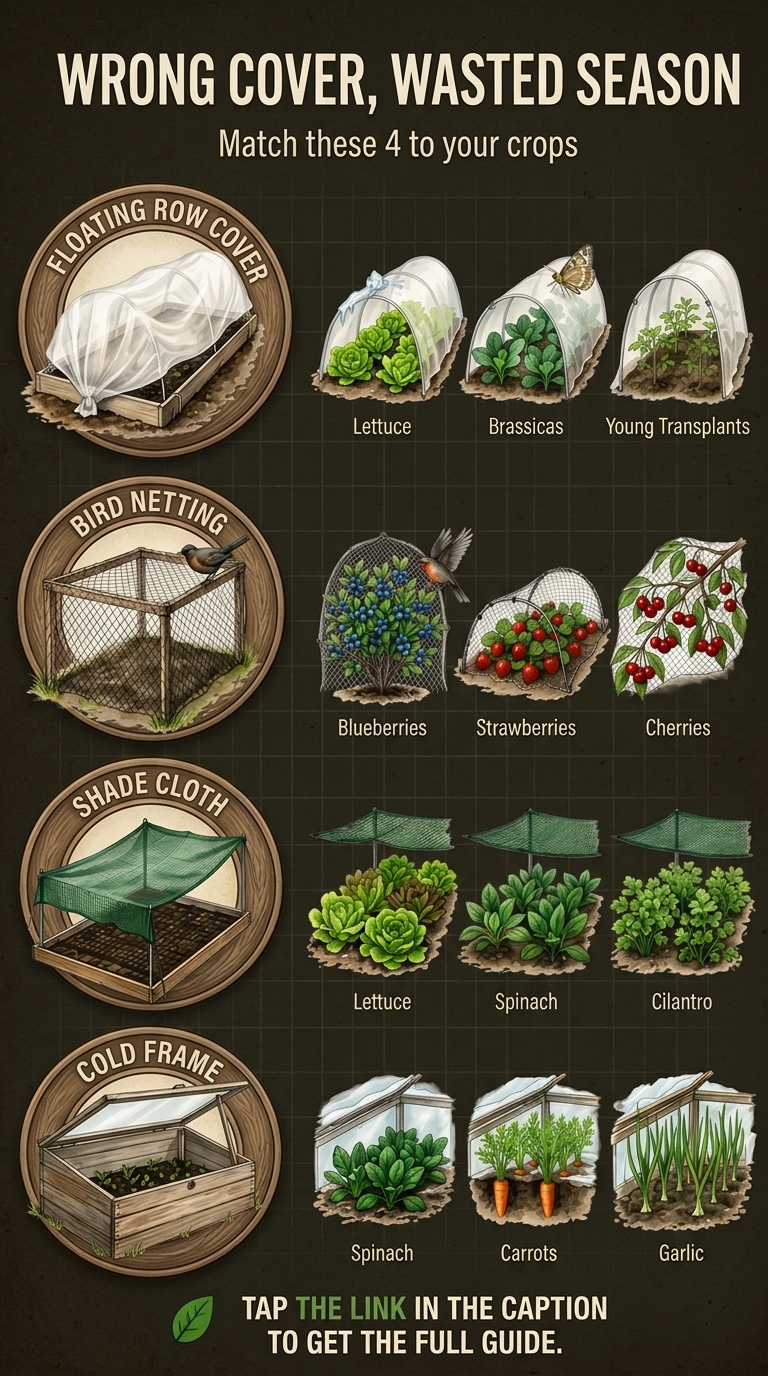
Floating row covers are lightweight, spun-bonded fabrics that act as a physical barrier against insects while still allowing sunlight, air, and water to reach your plants. These are the gold standard for your most vulnerable crops, particularly lettuce, kale, broccoli, and cabbage. Because brassicas are notorious magnets for cabbage moths and flea beetles, a floating row cover applied immediately after transplanting can be the difference between a pristine harvest and leaves riddled with holes.
Pro tip: Always ensure the fabric has enough slack to allow for the plant’s growth, and bury the edges securely with soil or heavy stones to prevent moths from crawling underneath.
Bird Netting: Safeguarding Your Sweet Harvest
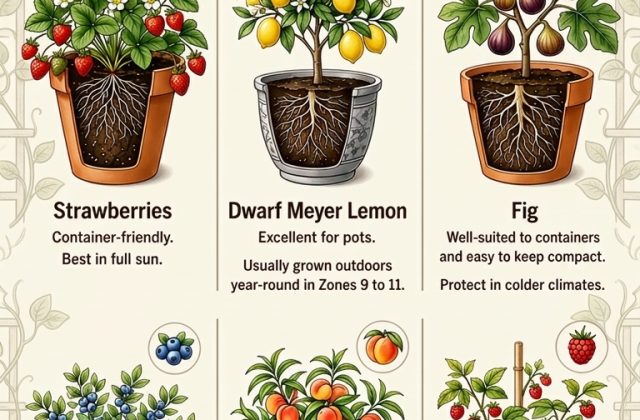
There is nothing more discouraging than waiting weeks for a strawberry or blueberry to ripen, only to find a bird has claimed it for breakfast. Bird netting is designed specifically for high-value fruit crops. Unlike row covers, netting does not protect against insects; its purpose is to create a physical wall against avian pests. Use this for blueberries, strawberries, and cherry trees as the fruit begins to show color. If you are using netting on low-growing berries, consider creating a simple hoop structure to keep the mesh off the fruit, which prevents birds from pecking through the holes.
Shade Cloth: Beating the Mid-Summer Heat
In many climates, the mid-summer sun is far too intense for cool-season crops. Plants like spinach and cilantro are prone to ‘bolting’—triggering their reproductive cycle to flower and go to seed—when exposed to high heat and intense light. Shade cloth is a knitted material designed to filter sunlight, reducing the surface temperature of your leaves and soil. Using a shade cloth with a 30% to 50% density can allow you to continue growing delicate greens well into the hotter months, preventing that bitter, soapy flavor that occurs when these plants become stressed by the heat.
Cold Frames: Extending the Season at Both Ends
While the previous methods focus on protection during the height of the season, cold frames are about timing. A cold frame is effectively a mini-greenhouse that insulates your soil and captures radiant heat. These structures are ideal for early spring or late autumn plantings of root vegetables like carrots and garlic. By warming the soil, a cold frame encourages faster germination and protects your crops from the first and last frosts of the year. When using cold frames, remember to ‘vent’ them on sunny days by propping the lid open; otherwise, the interior can overheat and cook your seedlings in just a few hours.
Practical Tips for Success
- Inspect your barriers weekly: Covers can sometimes harbor weeds or trap humidity that leads to fungal issues, so regular monitoring is essential.
- Rotate your materials: Just as you rotate crops to manage soil health, rotate your covers to ensure they remain clean and free of pest larvae.
- Invest in quality hoops: Whether you are using row covers or netting, supporting the fabric on hoops keeps the barrier off the foliage, which reduces the chance of pests laying eggs through the mesh and prevents physical damage to the leaves.
- Store properly: At the end of the season, shake off debris, let your covers air dry completely, and store them in a dark, dry bin to keep them from becoming brittle in the sun.
By thoughtfully applying these four protective strategies, you move from a reactive gardening style to a proactive one. You are no longer just hoping for a harvest; you are actively creating the micro-climates and physical defenses necessary for your plants to thrive.