


When the threat of frost finally lifts and the soil begins to hold the sun’s warmth, the gardening calendar shifts into its most exciting phase. Transitioning from the hardy greens of early spring to the heat-loving bounty of summer is a milestone for every gardener. Warm-season crops—those vibrant, sun-drenched plants that refuse to grow in cold weather—are the stars of the mid-year harvest.
Understanding the Needs of Warm-Season Crops
Warm-season vegetables are biological sun-seekers. Unlike cool-season plants like kale or peas, which can handle a light nip of frost, warm-season crops have tropical origins. They require two critical components to thrive: high ambient air temperatures and, perhaps more importantly, consistently warm soil. Planting these vegetables too early is one of the most common mistakes gardeners make. When the ground is cold, these plants will effectively go into a state of suspended animation, leaving them vulnerable to pests, disease, and stunted growth.
The Critical Role of Soil Temperature
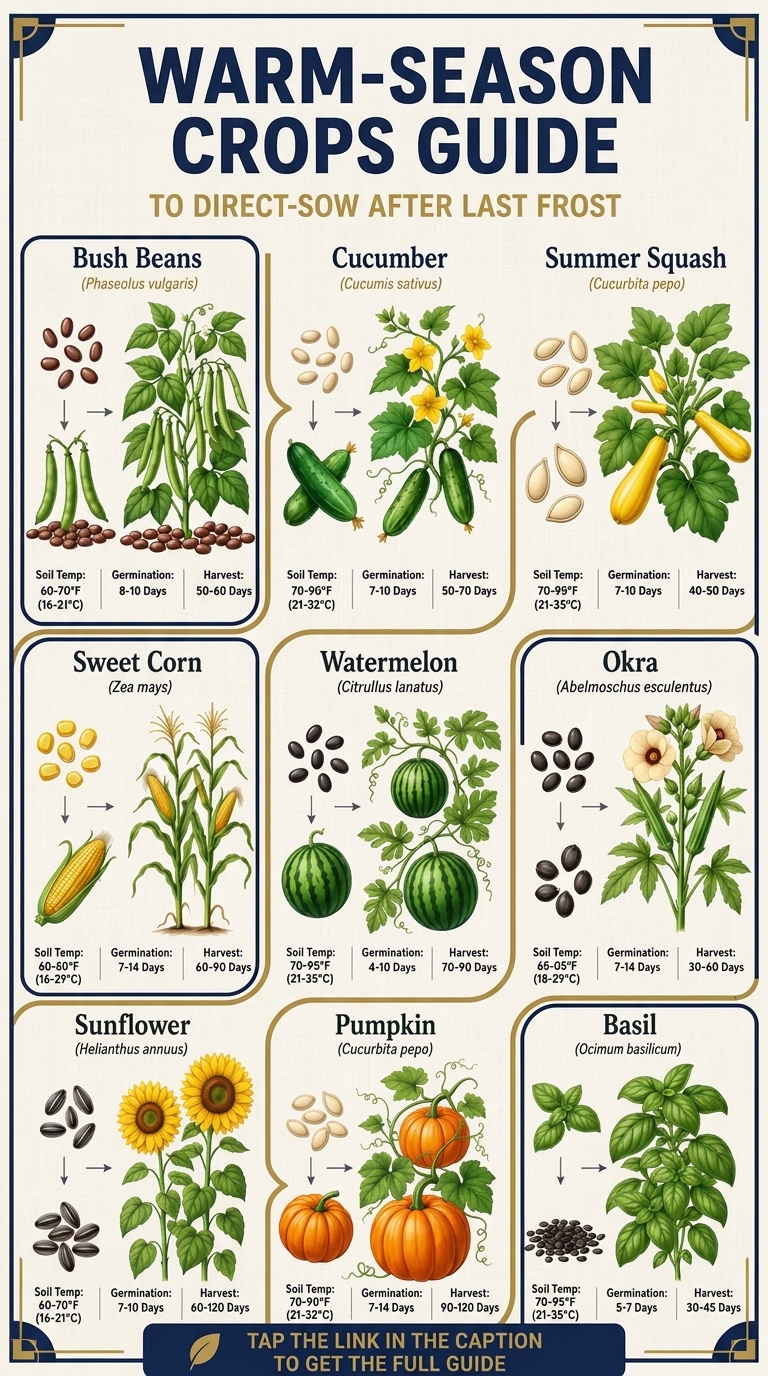
It is not enough to simply wait for the calendar date of your region’s last frost. Soil temperature is the true indicator of readiness. Most summer crops, such as tomatoes, peppers, and eggplants, prefer soil that has reached at least 65°F to 70°F. If you plant into cold, wet soil, seeds may rot before they germinate, and transplants may struggle to develop the root systems necessary for a productive season.
- Use a soil thermometer to check the temperature at a depth of four inches.
- Consider using black landscape fabric or plastic mulch to warm the soil early in the season.
- Avoid working the soil when it is overly wet, as this destroys soil structure and further inhibits warming.
Essential Warm-Season Crops to Plant
To maximize your harvest, focus on the vegetable families that genuinely thrive in the heat. These are the heavy hitters of the kitchen garden:
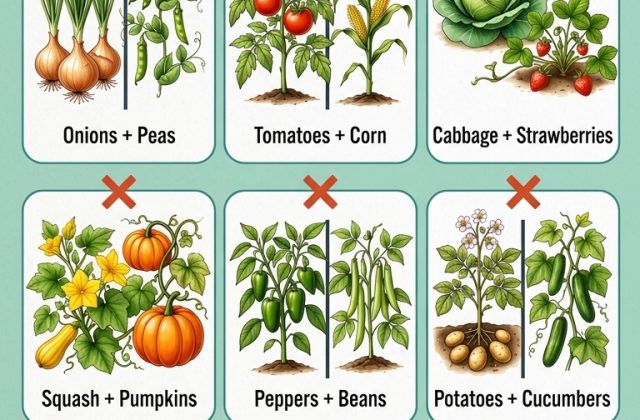
- Nightshades: Tomatoes, peppers, and eggplants are the royalty of the summer garden. They need long, sunny days and steady moisture to produce high-quality fruit.
- Cucurbits: Cucumbers, summer squash, zucchini, melons, and pumpkins grow rapidly once the heat sets in. These plants are prolific producers but require plenty of space to sprawl.
- Legumes: While some beans can be planted early, lima beans and pole beans prefer warmer soil and temperatures to set their pods successfully.
- Corn: A quintessential summer crop, corn is a heavy feeder that needs consistent warmth to reach its full height and sugar potential.
Best Practices for Success
Once the soil is warm enough to plant, your focus should shift to maintenance. Warm-season crops are generally fast growers, which means they are also heavy feeders. Adding high-quality compost or organic balanced fertilizer at the time of planting provides the necessary nutrients for the vegetative surge that occurs in June and July.
Water management becomes crucial as the temperatures climb. Heat-loving plants lose water rapidly through transpiration. Consistent, deep watering at the base of the plant—rather than overhead spraying—helps keep the foliage dry, which reduces the risk of fungal diseases like powdery mildew. Applying a layer of organic mulch, such as straw or shredded leaves, will help retain soil moisture, suppress weeds, and keep the roots cool even when the air temperature soars.
Planning Your Harvest
The beauty of warm-season gardening is the sheer volume of production. However, it also requires vigilance. Crops like zucchini can go from “perfect” to “oversized” in a matter of days. Regularly harvesting your vegetables encourages the plant to continue producing, ensuring a steady supply for your kitchen throughout the summer and into the early autumn. By understanding the thermal requirements of your crops, you ensure that your garden isn’t just surviving the heat, but truly thriving in it.