


You don’t need a sprawling backyard or a dedicated garden plot to enjoy the satisfaction of harvesting your own fresh produce. Whether you live in a city apartment with a balcony or a house with limited yard space, container gardening is a highly effective way to grow a thriving vegetable patch. By choosing the right pots, soil, and plants, you can enjoy fresh tomatoes, peppers, and leafy greens right at your doorstep.
Selecting the Right Containers
The foundation of a successful container garden is the vessel itself. Any container can technically serve as a planter, provided it meets two critical requirements: drainage and size. Plants grown in pots are entirely dependent on you for their water and nutrient needs, making drainage non-negotiable. Ensure your containers have adequate drainage holes at the bottom to prevent root rot, which is a common killer of container-grown vegetables.
Size also matters. Smaller plants like lettuce, radishes, or herbs can thrive in shallow containers, but larger vegetable plants require depth and volume for their roots to expand. When growing tomatoes or peppers, aim for pots that hold at least five gallons of soil per plant to ensure they have enough room to produce a robust harvest.
The Importance of Potting Mix
One of the most common mistakes novice container gardeners make is using garden soil. Real garden soil is too heavy and dense for pots; it compacts easily, preventing oxygen from reaching the roots and draining poorly. Instead, invest in a high-quality, lightweight potting mix. These mixtures are typically soil-less, composed of materials like peat moss or coconut coir, perlite, and vermiculite. This combination ensures proper aeration, moisture retention, and drainage, creating the ideal environment for your vegetable roots to anchor and thrive.
Choosing the Right Vegetable Varieties
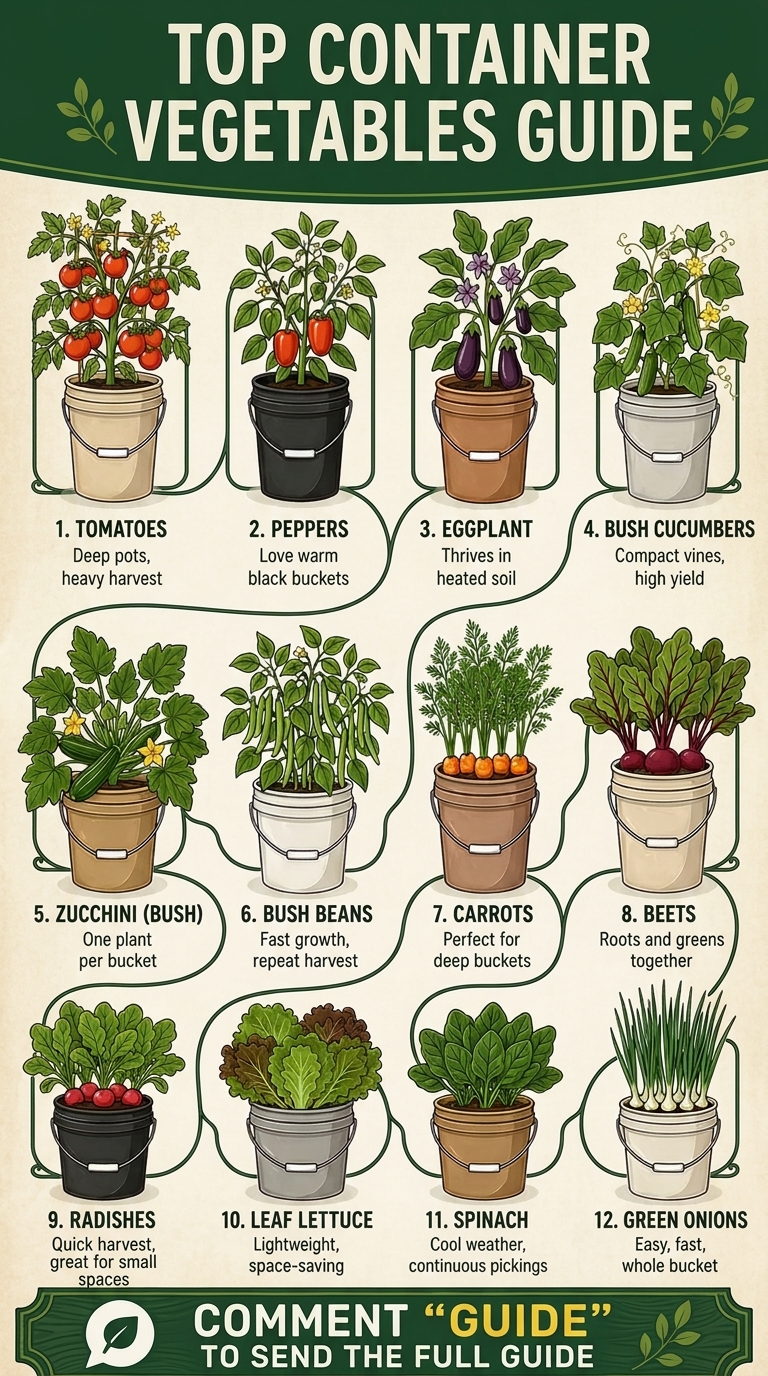
While you can grow many types of vegetables in containers, some are better suited for the task than others. If you are just starting out, focus on these reliable choices:
- Tomatoes: Look for ‘determinate’ or ‘bush’ varieties. These are bred to reach a specific size and stop growing, making them perfect for containers compared to ‘indeterminate’ varieties that can grow vining branches many feet long.
- Peppers: Both bell peppers and hot peppers grow exceptionally well in pots. They appreciate the warmth that containers provide, especially if you move them to follow the sun.
- Leafy Greens: Lettuce, kale, and spinach have shallow root systems, making them ideal for wide, shallow containers. You can harvest leaves throughout the season, providing a constant supply for salads.
- Beans: Bush beans are much easier to manage in containers than pole beans, as they do not require tall, complex support structures.
Maintenance and Care
Vegetables in containers dry out much faster than those planted in the ground. During the height of the summer, you may find yourself watering your pots every single day. Always check the moisture level by sticking your finger an inch into the soil; if it feels dry, it is time to hydrate. Early morning is the best time to water, as it allows the foliage to dry out during the day, which helps prevent fungal diseases.
Furthermore, because nutrients wash out of pots every time you water, you will need to replenish them. Use a balanced, water-soluble organic fertilizer throughout the growing season to ensure your plants have the fuel they need to produce fruit. Following the manufacturer’s instructions on your chosen fertilizer will prevent over-feeding, which can lead to lush leaves but very little vegetable production.
Sunlight Considerations
Most popular container vegetables, including tomatoes and peppers, are sun-lovers. They generally require at least six to eight hours of direct sunlight each day to produce a good harvest. Before you set your pots, observe your space for a full day to identify where the sun hits and where the shade lingers. Because containers are portable, you have the advantage of being able to move them throughout the season as the sun’s angle changes, ensuring your plants always get the light they crave.