


Embracing the Shade: Why Your Patio Can Still Be Productive
Many novice gardeners assume that a lush, productive vegetable patch requires eight hours of scorching direct sunlight. While it is true that heavy producers like tomatoes and peppers that crave high-intensity light, a significant portion of the vegetable kingdom actually prefers, or at least tolerates, lower light conditions. If your balcony, porch, or backyard is tucked away in the shadows of trees or tall buildings, you do not need to give up on your dreams of home-grown food. Container gardening in the shade is not only possible; it is often easier to maintain because these plants are less prone to heat stress and soil dehydration.
The Science of Low-Light Gardening
Vegetables are generally categorized by the parts we harvest: leaves, roots, or fruits. In the gardening world, the rule of thumb is that if you are growing a vegetable for its fruit (like cucumbers or squash), it needs maximum sun. However, if you are growing a plant for its leaves or its roots, it is much more likely to succeed in partial shade. Shade-tolerant plants have evolved to capture light more efficiently through larger surface areas or different chlorophyll structures, making them perfect candidates for containers in cooler, darker spots.
Top Shade-Loving Crops for Your Containers
You can grow a diverse array of crops even without full sun. Here are some of the best varieties to consider:
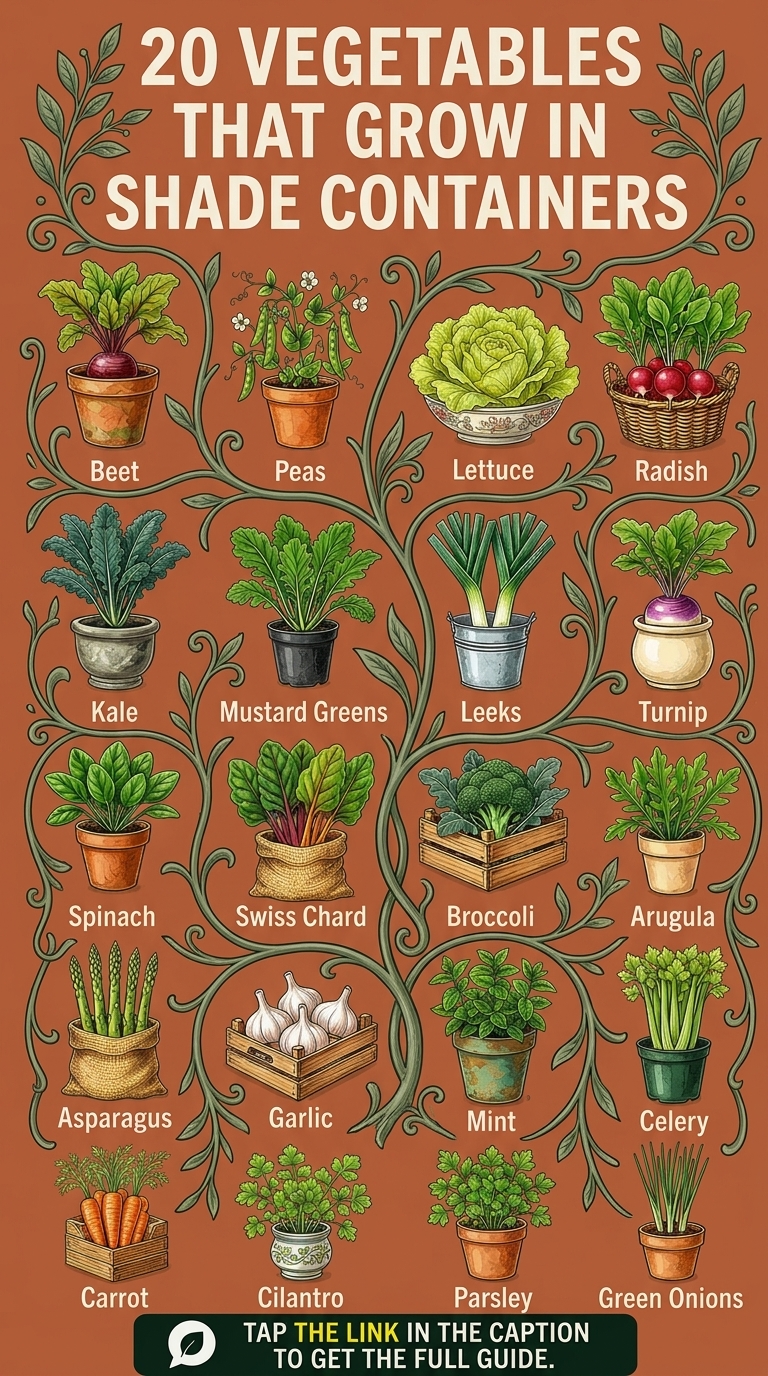
- Leafy Greens: Lettuce, spinach, kale, arugula, and Swiss chard are the kings of the shade. Because these crops bolt (go to seed) quickly in high heat, the shade actually helps them stay tender and sweet for a longer harvest season.
- Root Vegetables: Carrots, beets, radishes, and turnips are surprisingly shade-tolerant. While they may take a bit longer to reach maturity than they would in full sun, they will develop perfectly fine in areas that receive 4 to 5 hours of light.
- Alliums: Garlic, scallions, and chives are excellent additions to shaded containers. They are resilient, hardy, and require very little maintenance once established.
- Herbs: While many Mediterranean herbs prefer sun, shade-loving options like parsley, cilantro, mint, and lemon balm thrive in dappled light.
Practical Tips for Shaded Container Success
Growing in the shade requires a slight shift in your horticultural strategy. Follow these tips to ensure your plants don’t just survive, but thrive:
- Monitor Soil Moisture: Because shade-grown containers experience less evaporation than those in the sun, you must be careful not to overwater. Always check the soil moisture with your finger about an inch deep before adding more water. If the soil is still damp, hold off to prevent root rot.
- Prioritize Drainage: In low-light environments, water lingers longer. Ensure every container has plenty of drainage holes at the bottom. Use a high-quality, lightweight potting mix rather than garden soil, which can become too dense and waterlogged in the shade.
- Choose the Right Containers: Dark-colored pots can help absorb more heat, which is beneficial for plants growing in cooler, shaded spots. Terracotta is beautiful, but it wicks moisture away quickly, which might not be necessary in a dark, humid corner.
- Rotate Your Pots: Even if an area is “shaded,” the light quality shifts throughout the day. If you notice your plants are leaning heavily in one direction, rotate the container 180 degrees every few days to keep the growth balanced and sturdy.
- Maximize Reflected Light: You can trick plants into thinking they have more sun by using reflective surfaces. Place your containers near light-colored walls or fences to bounce additional, indirect light onto the foliage.
Patience is Your Best Tool
The most important thing to remember when gardening in the shade is that plants grow more slowly. Photosynthesis happens at a less aggressive pace when light levels are lower. Do not be discouraged if your lettuce takes an extra week to fill out or your carrots seem to take their time sizing up. The result will be just as nutritious and significantly more rewarding. By selecting the right varieties and managing your moisture levels, you can transform even the darkest corner of your outdoor space into a thriving, edible oasis.