


The Magic of Growing Fruit from Seed
There is something uniquely rewarding about transforming a leftover fruit pit into a thriving plant. While many gardeners view the seeds of cherries, avocados, mangoes, and stone fruits as kitchen waste, they are actually miniature time capsules waiting for the right conditions to spring to life. Successfully germinating these seeds requires a balance of patience, moisture management, and an understanding of the specific dormancy needs of each plant.
Understanding the ‘Why’: The Role of Water
Germination is essentially the process of waking a seed from dormancy. For a seed to germinate, it must undergo three critical stages: imbibition, activation, and radicle emergence. Imbibition is the process of water uptake. As the seed coat absorbs water, the seed swells, which triggers the metabolic processes inside to begin. If the environment is too dry, the seed remains dormant; if it is too wet, the seed may rot before the embryo can activate. Maintaining consistent moisture is the secret to success.
The Water-Cradle Method for Avocados
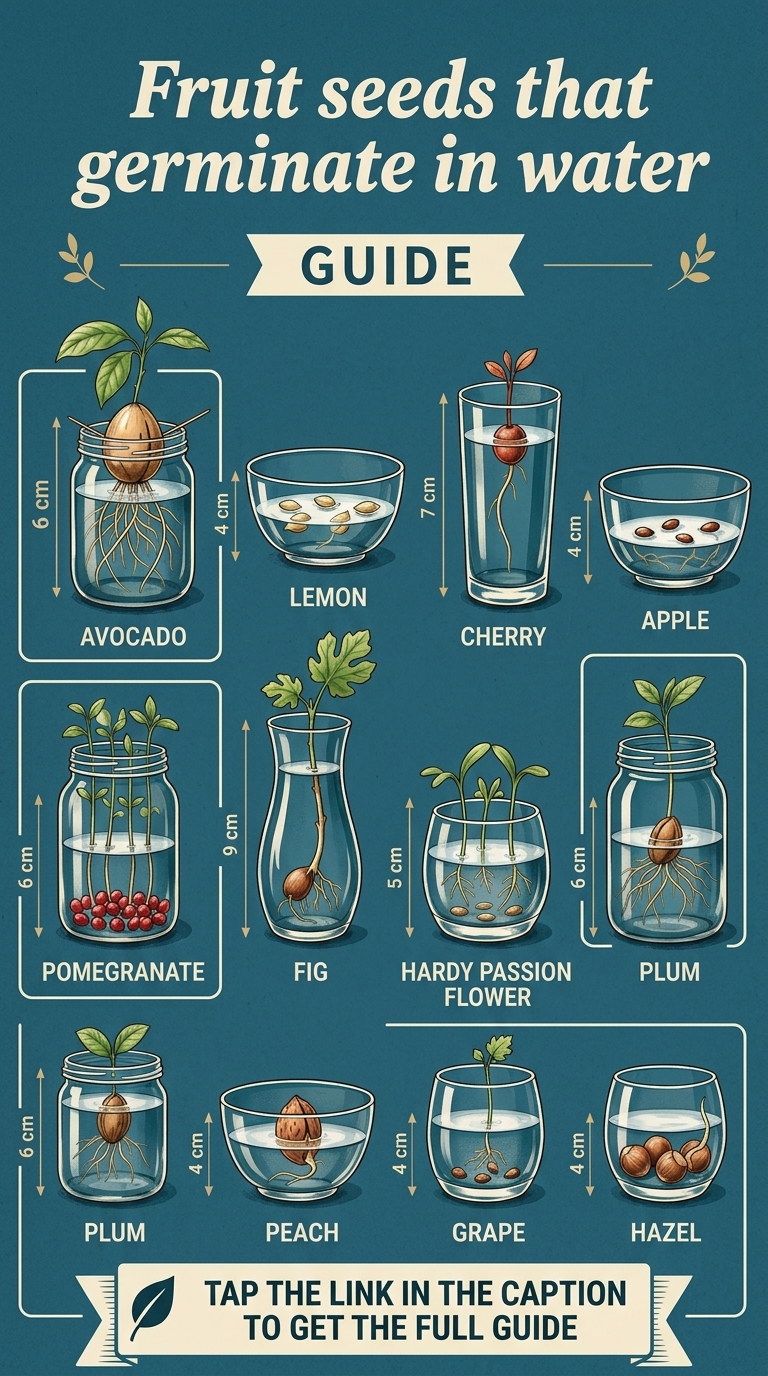
The most iconic way to germinate an avocado seed is the suspension method. This technique allows you to monitor the root development while keeping the lower portion of the pit consistently hydrated without fully submerging the entire seed, which prevents mold and decay.
- Clean the pit thoroughly to remove all fruit residue.
- Identify the ‘top’ (the slightly pointier end) and the ‘bottom’ (the flatter end where roots emerge).
- Insert three or four wooden toothpicks into the sides of the pit at a slight downward angle.
- Suspend the pit over a glass of water so that the bottom third is submerged.
- Change the water every few days to keep it oxygenated and free of bacteria.
- Keep the glass in a warm, brightly lit area, but avoid direct, scorching sunlight until leaves appear.
The Cold Stratification Process for Stone Fruits
Unlike tropical fruits, cherries and other stone fruits often require a period of ‘cold stratification’ to mimic winter conditions. Without this exposure to cold, the internal chemical inhibitors that prevent premature germination remain active, and the seed will not sprout even if kept warm and wet.
- Clean your stone fruit pits and let them dry for a day.
- Place the pits in a damp—not dripping—paper towel.
- Seal the towel in a plastic bag and place it in the crisper drawer of your refrigerator for several weeks to months, depending on the specific fruit variety.
- Check periodically to ensure the paper towel remains slightly moist.
- Once you see signs of a small root emerging, move the seed into a pot with well-draining potting mix.
Practical Tips for Long-Term Success
Germination is only the first step in the journey. Once your seedling has developed a healthy root system and a few sets of true leaves, it is time to transition it into soil. Use a high-quality, sterile potting mix that provides excellent drainage. Avoid garden soil, which is often too heavy and can harbor pathogens that easily kill young seedlings.
Light is the next critical factor. Young plants grown from seed often become ‘leggy’ or weak if they do not receive enough light. Place your new plants in a south-facing window or use a dedicated grow light to ensure they develop sturdy, thick stems. Remember that patience is essential; fruit trees grown from seed are rarely ‘true to type,’ meaning they may not produce the exact fruit of the parent, but they make for beautiful, vibrant houseplants that provide a deep connection to the cycle of nature.
By monitoring your water levels and respecting the biological needs of each seed type, you can turn your kitchen scraps into a budding home nursery. Start small, observe the process, and enjoy the slow, steady growth of your new green companions.