


Why Choose Low-Water Plants?
For many gardeners, the chore of frequent watering is the biggest barrier to maintaining a healthy, vibrant collection. Whether you are dealing with a hectic schedule, frequent travel, or simply want to practice more sustainable gardening habits, incorporating drought-tolerant plants is a game-changer. These resilient species have evolved in arid environments, developing clever physiological adaptations that allow them to store moisture and thrive even when rainfall is scarce or irrigation is forgotten.
Beyond the convenience, low-water gardening is an eco-friendly choice. By reducing your reliance on supplemental water, you are conserving a precious resource, which is particularly vital for those living in regions prone to drought. Furthermore, these plants often require less fertilizer and maintenance, making them ideal for both seasoned enthusiasts and beginners looking for a more hands-off approach to indoor and outdoor plant care.
Understanding Succulents and Arid-Loving Species
At the heart of the low-water movement are succulents and desert-dwelling plants. Their biology is fascinating: many utilize Crassulacean Acid Metabolism (CAM) photosynthesis, a process where they open their stomata at night to take in carbon dioxide rather than during the heat of the day. This significantly minimizes water loss through evaporation.
When choosing plants for a low-water setup, look for specific characteristics:
- Thick, fleshy leaves designed to store water reserves.
- Waxy or hairy coatings on foliage, which help reflect sunlight and retain moisture.
- Deep or expansive root systems that maximize water absorption during rare rain events.
Top Picks for Your Zero-Water-Stress Garden
If you want to start a collection that survives neglect, consider these reliable staples:
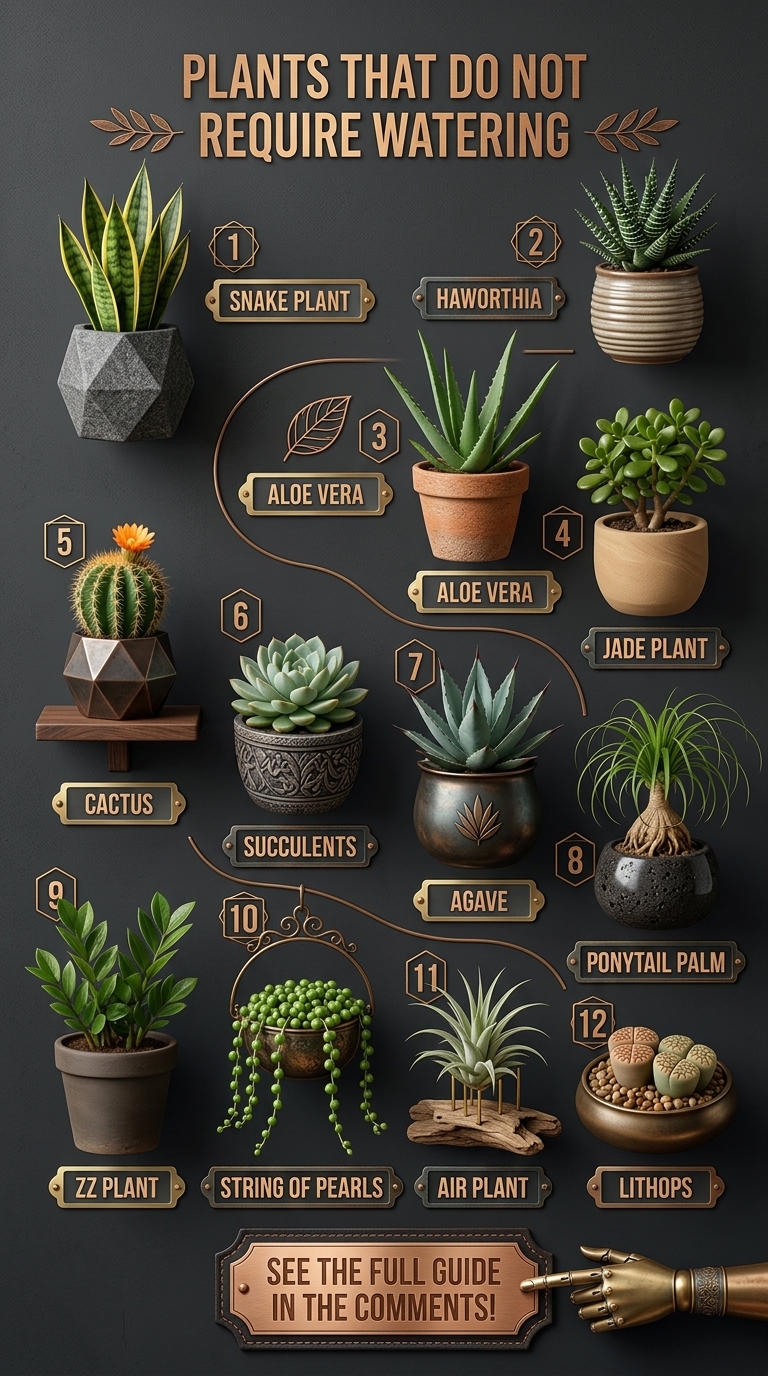
- Snake Plants (Sansevieria/Dracaena trifasciata): Perhaps the king of low-maintenance gardening, these are virtually indestructible. They tolerate low light and can go weeks without a drop of water, making them perfect for dark corners or forgetful owners.
- Lithops (Living Stones): These fascinating plants mimic the shape and color of pebbles. They have very specific watering needs—mostly during their growing season—and require almost zero intervention during their winter dormancy. They are a must-have for the curious indoor gardener.
- ZZ Plants (Zamioculcas zamiifolia): With their rhizome root systems, these plants store massive amounts of water underground. They are exceptionally tolerant of drought and low-light conditions, maintaining a glossy, vibrant green appearance with very little effort.
- Aloe Vera: A classic for a reason. Beyond its utility, it is incredibly hardy. It loves bright, indirect sunlight and prefers its soil to dry out completely between waterings.
Practical Tips for Success
While these plants are “low water,” they are not “no water.” The secret to success lies in replicating their natural environment rather than simply ignoring them entirely.
- Prioritize Drainage: This is the most critical rule. Even the most drought-tolerant plant will rot if left in standing water. Always use pots with drainage holes and utilize a porous, sandy potting mix specifically designed for cacti and succulents.
- Monitor for Signs of Thirst: Learn to read your plants. Shriveled leaves, drooping, or a slight loss of turgor pressure are often signs that a plant is finally ready for a drink. Do not water on a calendar schedule; water based on the plant’s actual needs.
- Light is Fuel: Low-water plants often grow slower than tropical varieties. They need bright, consistent light to maintain their structure. If a succulent starts stretching (etiolation), it is a cry for more sunlight, not more water.
- Seasonal Adjustments: Remember that even drought-tolerant plants go through growth cycles. They will require slightly more moisture during their active growing season (usually spring and summer) and almost nothing during the winter months. By slowing down your watering routine as the days get shorter, you mimic their natural biological cycle, which prevents root rot and promotes long-term health.
Transitioning to a drought-tolerant garden doesn’t mean sacrificing beauty. By selecting the right varieties and providing them with a well-draining environment, you can enjoy a lush, thriving collection that fits seamlessly into your lifestyle, leaving you more time to enjoy your garden rather than working in it.