


Elevate Your Harvest: Why Vertical Gardening Matters
Gardening is often perceived as a horizontal endeavor, but some of our most productive crops are naturally inclined toward the sky. When you provide plants with the right support, you do more than just make your garden look tidy. Vertical gardening improves airflow, which significantly reduces the risk of fungal diseases like powdery mildew and blight. It also keeps your produce off the moist soil, preventing rot and discouraging hungry ground-dwelling pests. By training your plants to climb, you can double or even triple your growing space in a small footprint.
The String Method: Delicate Support for Peas and Beans
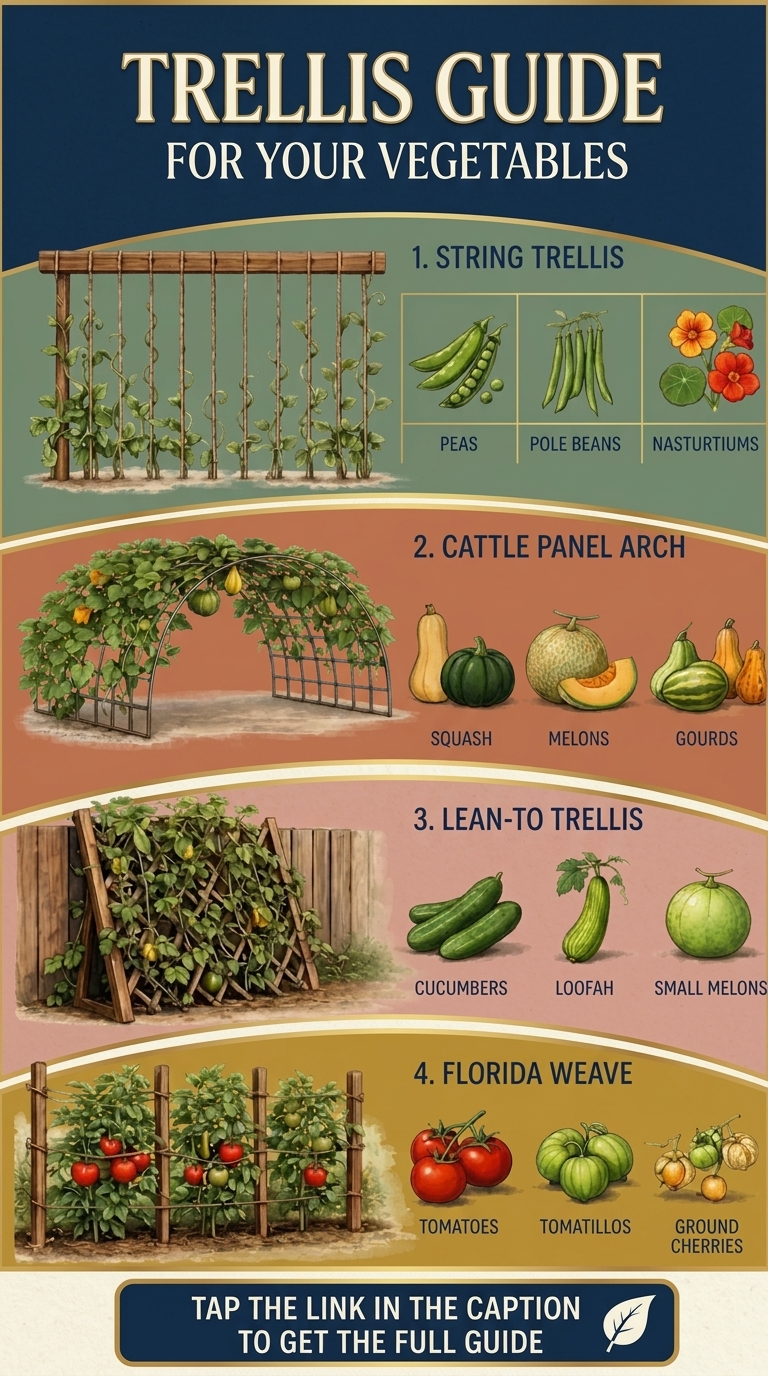
For vining vegetables like snap peas, pole beans, and certain flowers such as morning glories or sweet peas, string trellising is the gold standard. These plants utilize tendrils to latch onto surfaces, making them perfect for lightweight systems. To implement this, install a sturdy horizontal top wire or wooden support about six to seven feet above your garden bed. Tie lengths of biodegradable jute twine from the top support down to the base of your plants. As the vines emerge, gently guide them toward the string. Once they find their footing, they will naturally wrap around the twine, climbing upward as they mature. This method is incredibly cost-effective and allows for easy cleanup at the end of the season, as you can simply cut the twine and compost it along with the spent vines.
Arch Trellises: Structural Integrity for Heavy Fruit
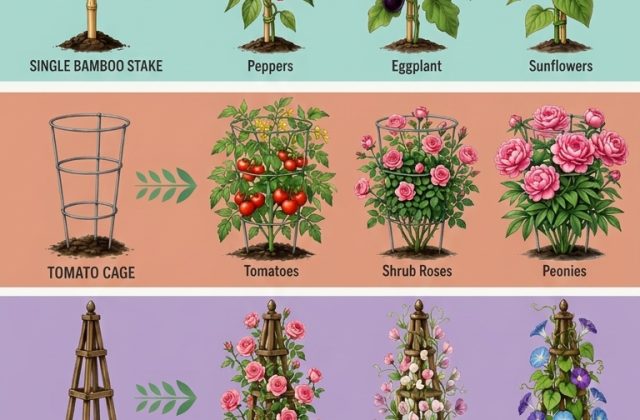
While beans and peas are light, crops like winter squash, melons, and cucumbers can grow quite heavy. If you attempt to grow these on a flimsy trellis, you risk the structure collapsing under the weight of the ripening fruit. A rigid metal arch or cattle panel trellis is the ideal solution for these heavy hitters. These structures provide a robust framework that can support the significant weight of pumpkins or melons. When growing heavy fruits on an arch, keep an eye on them as they get larger. If a squash is hanging freely and pulling hard on the vine, you can create a simple ‘sling’ using old pantyhose or fabric scraps to cradle the fruit and take the pressure off the vine. This ensures your harvest stays attached to the plant until it is perfectly ripe.
The Florida Weave: A Professional Technique for Tomatoes
Tomatoes are arguably the most popular vertical crop, yet they are often poorly supported. The ‘Florida Weave’ is a professional market-garden technique that eliminates the need for individual cages, which can be bulky and difficult to store. To perform the Florida Weave, drive sturdy wooden or metal stakes into the ground at both ends of your row, and optionally between every two or three plants for extra stability. Starting at the base of your plants, tie a strong garden twine to the first stake, then weave the twine horizontally along the row, passing in front of one plant and behind the next, then looping around the next stake before returning down the other side. As your tomatoes grow, continue adding tiers of twine every 8 to 12 inches. This creates a secure, ‘woven’ fence that gently holds the plants upright without strangling them.
Practical Tips for Success
- Timing is Everything: Always install your support systems at the time of planting or shortly after germination. Waiting until your plants are already large and tangled makes it difficult to train them without damaging the stems.
- Sun Exposure: When positioning your trellises, be mindful of the sun’s path. Place your tallest supports on the north side of your garden bed so that they do not cast unwanted shade on smaller, low-growing crops.
- Maintenance Matters: Regularly inspect your plants throughout the growing season. Use soft plant ties or jute twine to secure any wandering vines that have drifted away from your support system.
- Clean Up and Sanitize: At the end of the season, remove all non-biodegradable materials. If you used metal or wood supports, wipe them down with a diluted vinegar solution to kill any lingering pathogens before storing them for the winter.
By mastering these three support methods, you transform your garden from a cluttered patch into a structured, high-yielding space. Whether you are using simple twine for delicate climbers, heavy-duty arches for your prize-winning melons, or the rhythmic weave for your tomatoes, vertical gardening is a skill that will pay off with a healthier, more abundant harvest every single year.