


Why Vertical Gardening Matters
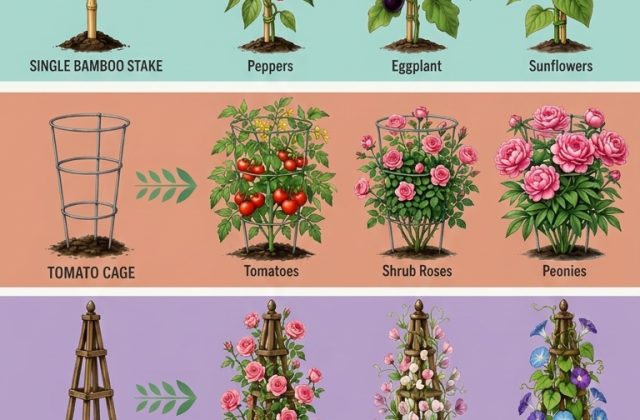
Vertical gardening is more than just an aesthetic choice; it is a tactical necessity for the home gardener. By lifting your crops off the ground, you improve air circulation, reduce the incidence of fungal diseases like powdery mildew, and ensure your produce stays clean and rot-free. Furthermore, training plants to climb allows for higher planting density, making it a game-changer for gardeners with limited square footage. However, not all support systems are created equal. Choosing the right trellis depends heavily on the growth habit and weight of the plant you intend to grow.
The Flat String Trellis: Precision Support
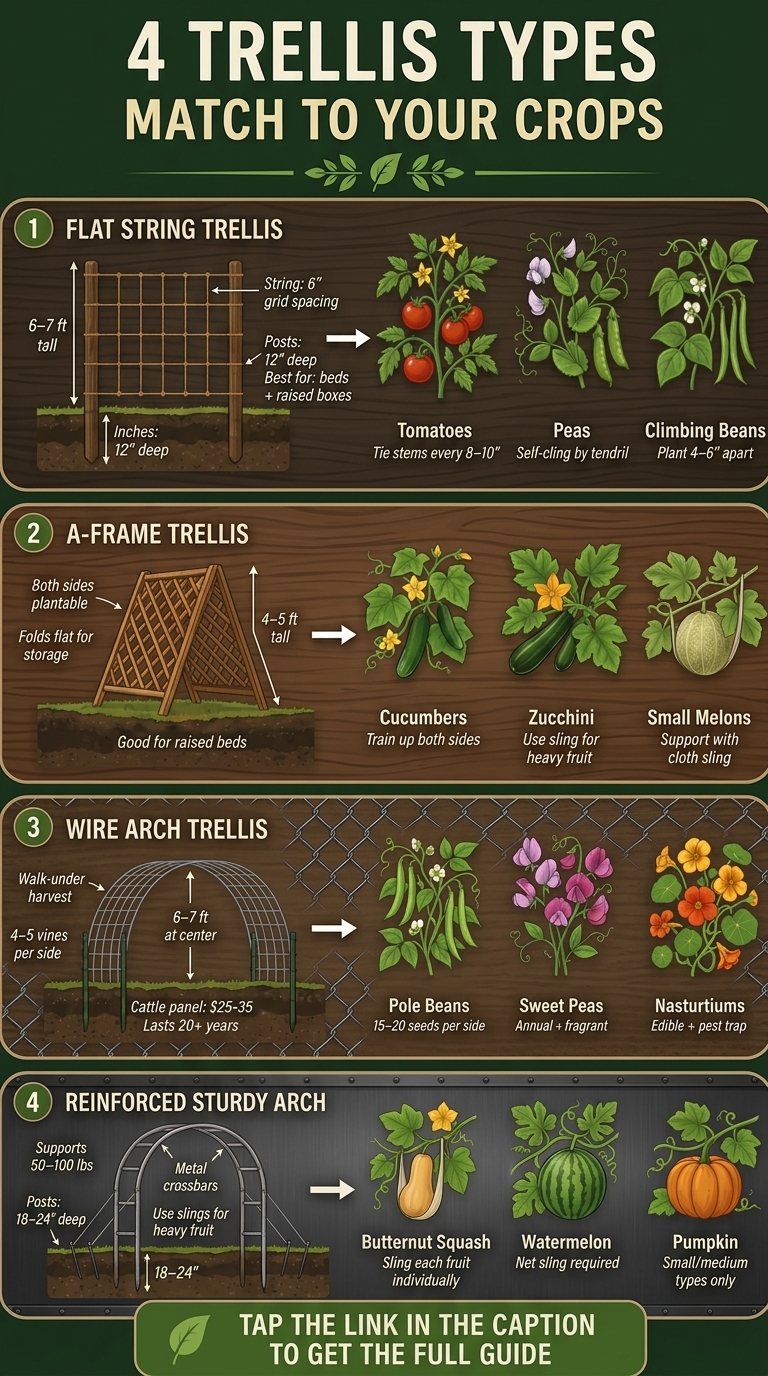
The flat string trellis is perhaps the most versatile and cost-effective method for training indeterminate plants. This system consists of vertical strings anchored to an overhead horizontal wire or beam, with the base tied loosely to the stem of the plant. This method is exceptionally well-suited for tomatoes, peas, and climbing beans.
For tomatoes, the string method allows for “single-stem” pruning, where you remove side suckers to encourage the plant to grow upward. This keeps the fruit concentrated and easy to harvest. When using this for peas, you can run the strings in a zig-zag pattern or add horizontal twine tiers to give the pea tendrils more surfaces to grab onto.
A-Frame Trellises: The Heavy Lifters
When you are growing heavier, sprawling crops like cucumbers, zucchini, or small winter squashes, a simple string won’t suffice. The A-frame trellis provides the structural integrity needed to support the weight of maturing vegetables. Its triangular shape creates a natural lean-to that provides stability against wind and the weight of dense foliage.
The brilliance of an A-frame lies in the “tucked under” growth pattern it encourages. If you plant your cucumbers at the base of the frame, the vines will naturally seek the support, and the resulting fruit will hang down through the gaps in the trellis. This makes harvesting incredibly simple and keeps your cucumbers straight rather than curled, as they are not being pressed against the soil.
Wire Arches: Beauty Meets Productivity
For gardeners looking to maximize space while adding a structural focal point to the garden, wire cattle panel arches are the gold standard. These rigid, semi-circular structures are perfect for pole beans, sweet peas, and even indeterminate cherry tomatoes. Because they are constructed from heavy-gauge galvanized wire, they can support a significant amount of biomass without sagging.
An arch trellis creates a micro-climate underneath. The foliage provides shade for the crops dangling below, which can be an advantage in hot summer climates where certain greens or lettuces might otherwise bolt. When planting pole beans on an arch, you can harvest from both the outside and the inside of the tunnel, effectively doubling your harvest area.
Practical Tips for Success
- Material Selection: Always consider the lifespan of your materials. If using wood, ensure it is rot-resistant (like cedar) or treated with a safe, non-toxic sealant. For metal, opt for galvanized steel to prevent rust.
- Installation Timing: Install your trellises at the time of planting or seeding. Attempting to add a trellis after a plant has already established a complex root system or heavy foliage can cause significant damage to the plant.
- Tying Techniques: Always use flexible materials for tying plants, such as soft garden twine or strips of old cotton fabric. Avoid using thin wires, which can cut into the stems of tender plants as they expand.
- Maintenance: Throughout the season, take a weekly walk through your garden to tuck wayward vines back onto their supports. A proactive few minutes of training is far easier than trying to untangle a massive, fruit-laden vine at the end of the season.
By carefully selecting the right structure for your specific crops, you transform your garden from a tangled patch into an efficient, high-yielding, and beautiful vertical landscape. Start with these three foundations, and you will find that your garden productivity—and your back health—will thank you.