


Maximizing Your Harvest with Vertical Gardening
For many home gardeners, the primary limitation isn’t knowledge or passion, but space. When you are working with a finite number of square feet, growing upwards is the most effective way to multiply your yield. Vertical gardening is not just about saving space; it is about creating a healthier, more productive ecosystem for your plants. By lifting vines off the soil, you improve airflow, reduce the incidence of fungal diseases, and make harvesting significantly easier on your back.
The Art of the String Trellis
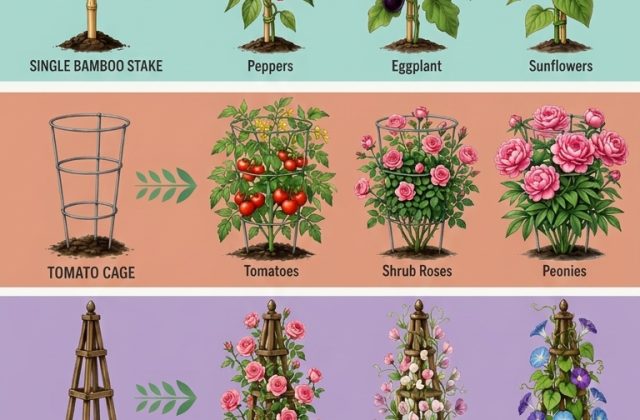
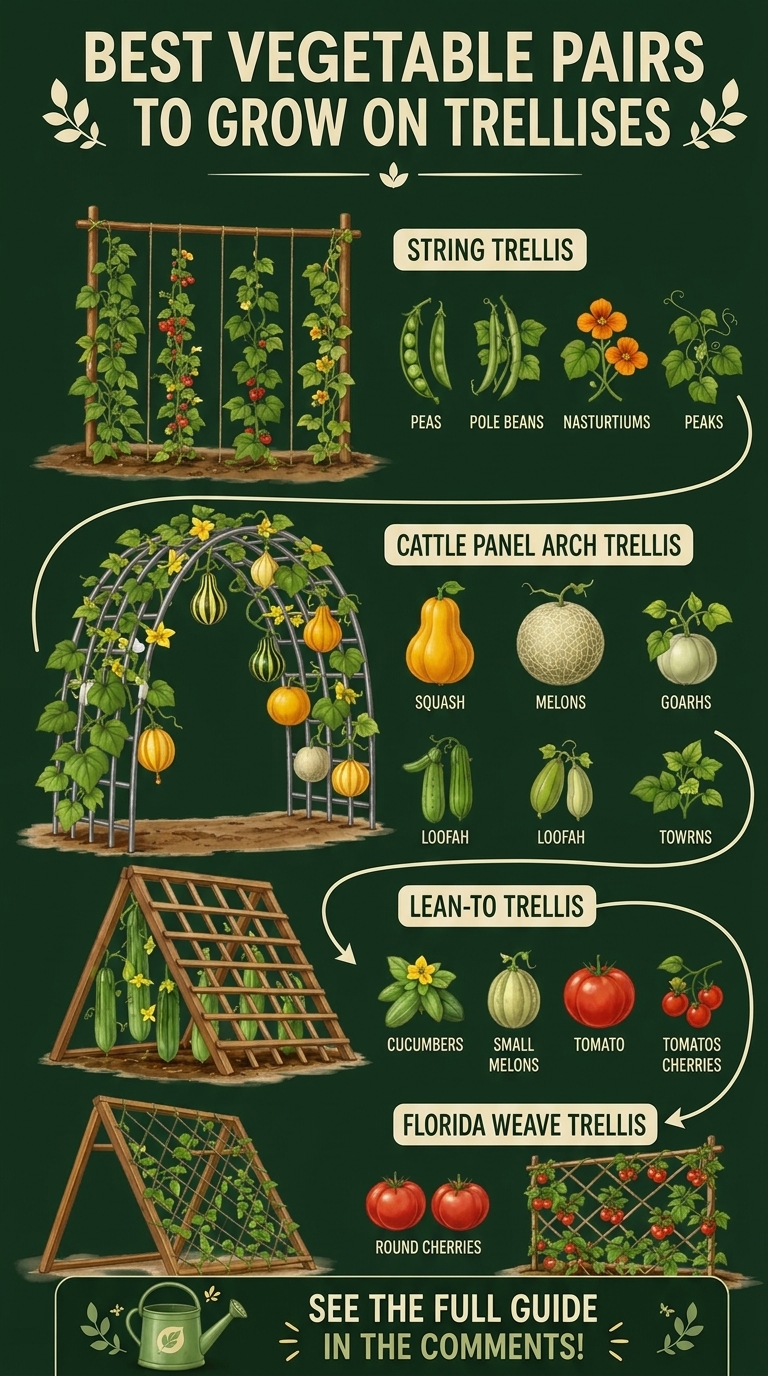
String trellises are a simple, inexpensive, and highly effective way to support vining crops that use tendrils to climb. These are best suited for legumes, such as sugar snap peas, snow peas, and pole beans. Because these plants have relatively lightweight foliage and produce moderate fruit loads, a sturdy vertical string or mesh netting provides all the anchorage they need.
To set up a string trellis, drive two sturdy stakes into the ground at either end of your planting row. Run a taut wire or heavy-gauge twine between them at the top, and tie vertical lengths of jute twine or nylon netting from the top wire down to the base of each plant. As your peas or beans grow, they will naturally reach for these vertical lines, wrapping their tendrils around them as they ascend. This method keeps the pods clean and prevents them from rotting on damp mulch or bare soil.
The Strength of Cattle Panel Arches
While string trellises are ideal for lighter crops, heavy-fruiting vines require something with significant structural integrity. This is where the cattle panel arch comes in. Cattle panels are heavy-gauge galvanized steel panels that are rigid enough to stand upright on their own. By arching them between two raised beds or along a garden path, you create a tunnel that can support heavy vegetables like summer squash, winter squash, cucumbers, and even small melons.
The advantage of an arch is two-fold: it provides incredible strength and creates a cooling microclimate beneath the canopy. Plants like butternut squash or large-fruited cucumbers thrive on these panels because the structure allows the heavy fruit to hang freely, which encourages straighter growth and minimizes ground rot. For heavier melons, you may want to support the fruit with a small sling made of old pantyhose or fabric, but for most squash varieties, the weight is distributed well enough by the panel itself.
Practical Tips for Success
- Timing is Everything: Install your trellises before planting. Trying to shove a stake or panel into the ground once your seedlings are established risks damaging their delicate root systems.
- Train Early: While most vining plants are intuitive, they sometimes need a little encouragement during their first week. If you notice a vine wandering away from the trellis, gently guide it back toward the support structure.
- Plan for Airflow: Even when growing vertically, do not crowd your plants. Ensure there is enough space between rows to allow sunlight to hit the foliage and wind to circulate through the structure.
- Mind the Weight: When selecting varieties, check their mature size. If you are growing heavy winter squashes on a vertical panel, choose smaller or medium-sized varieties to ensure your support structure remains stable throughout the season.
- Maintenance: Check your ties and connections throughout the summer. High winds or the sheer weight of a bumper crop can put stress on your trellis, so a quick mid-season inspection can prevent a total collapse.
By shifting your perspective upward, you transform your garden from a flat plane into a three-dimensional landscape. Whether you are using the humble string trellis for your morning harvests of snap peas or constructing an impressive archway for a squash-filled tunnel, vertical gardening is a game-changer for any grower looking to get the most out of their backyard.