


Propagating plants from cuttings is one of the most rewarding skills a gardener can develop. Not only does it provide a cost-effective way to fill your flower beds and containers, but it also allows you to clone your favorite specimens with precision. While many gardeners default to soil-based rooting, water propagation offers a unique advantage: it allows you to witness the miraculous development of roots in real-time, ensuring your cutting is viable before it ever touches the earth.
The Why: Benefits of Water Propagation
Water propagation is often favored by beginners and experts alike because it is inherently low-maintenance and sterile. By avoiding soil during the initial rooting phase, you eliminate the risk of soil-borne pests and fungal diseases. Furthermore, water serves as an excellent medium for providing consistent moisture to the cut stem, preventing the wilting that often kills cuttings in dry or improperly aerated soil mixes.
The How: Essential Techniques for Success
To succeed with water propagation, start with a healthy, disease-free parent plant. Always use a clean, sharp pair of shears to ensure a clean cut, which prevents tissue damage and encourages rapid root initiation. Ideally, take cuttings just below a node—the point where leaves meet the stem—as this is where hormone concentrations are highest and root development is most likely to occur. Remove any lower leaves that would be submerged in water to prevent rotting, and place your jar in bright, indirect light. Change the water weekly to ensure oxygen levels remain high.
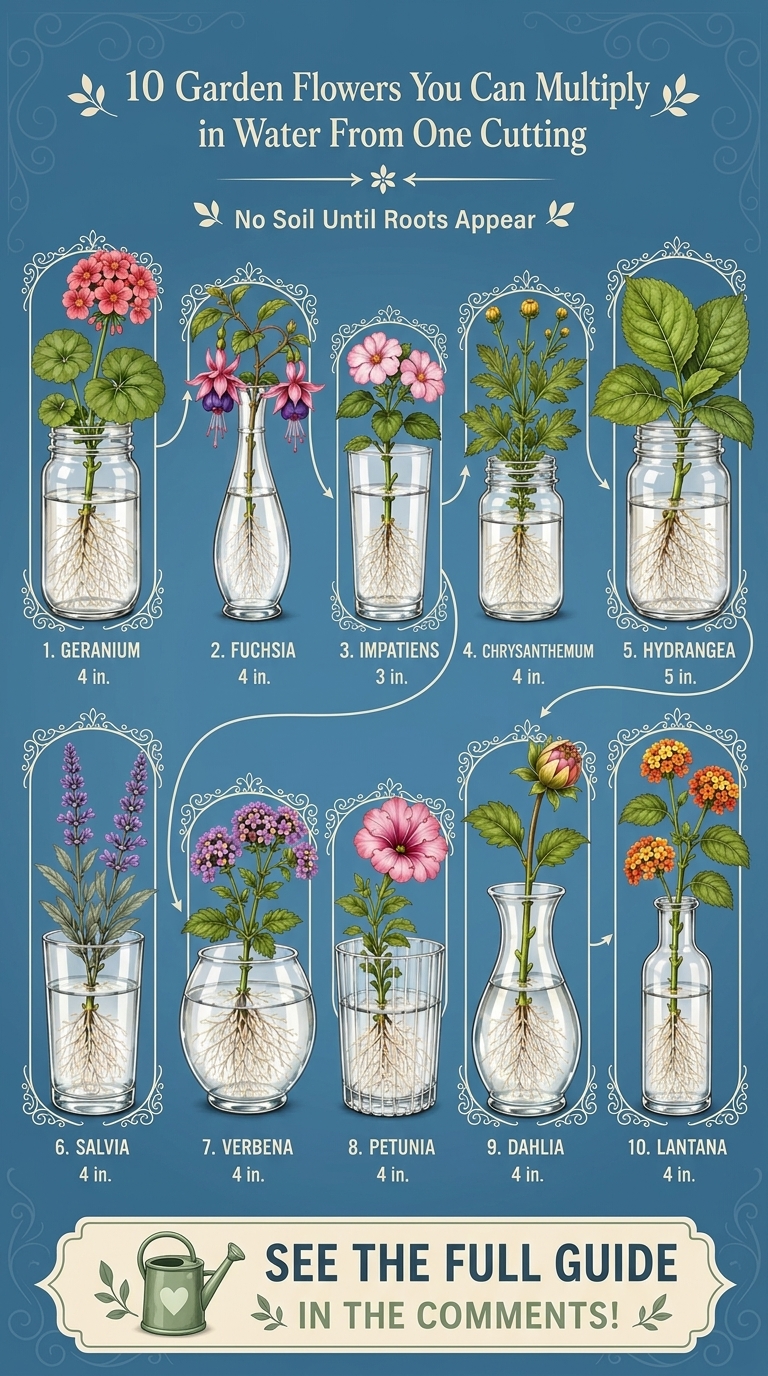
10 Flowers You Can Easily Multiply in Water
- Coleus: Perhaps the easiest to propagate, coleus produces roots in water within just a few days. They are incredibly vigorous and provide vibrant foliage color.
- Impatiens: These shade-loving classics root readily in water. Ensure the water level is high enough to submerge the lower nodes of the stem.
- Fuchsias: Prized for their pendant flowers, fuchsias respond beautifully to water propagation. Use soft, non-woody tip cuttings for the best results.
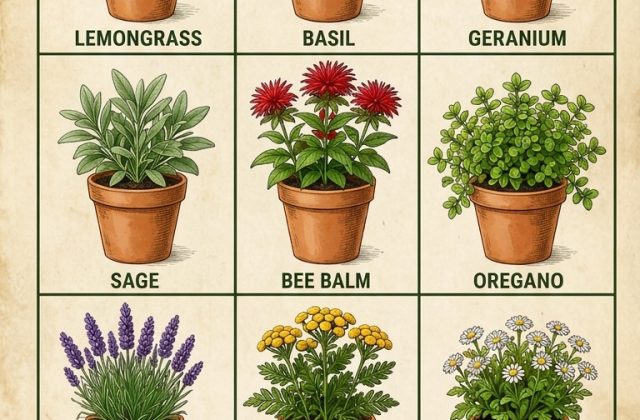
- Pelargoniums (Geraniums): While they prefer drier conditions once established, geranium cuttings will root in water if given a bright, warm location and clear containers.
- Begonias: Many cane-type and tuberous begonias can be rooted from stem cuttings placed in water. Use a tall glass to keep the leaves out of the water.
- Sweet Potato Vine: Though often grown for foliage, this plant is an ornamental staple. It roots exceptionally fast and can even be kept in water as an indoor feature.
- Chrysanthemums: Late-season garden stars can be cloned easily. Simply take a four-inch stem tip and place it in a jar of clean water.
- Lavender: While slightly trickier than soft-stemmed plants, lavender cuttings can succeed in water if the environment is kept consistently warm and bright.
- Hydrangeas: These woody shrubs can be propagated from greenwood cuttings taken in the late spring or early summer. Be patient, as they take longer than herbaceous flowers.
- Carnations: These long-lasting garden favorites are excellent candidates for water rooting. Select non-flowering shoots to focus the plant’s energy on root growth.
When to Move to Soil
The most common mistake gardeners make is leaving their cuttings in water for too long. Once the roots are approximately two to three inches long, they have developed enough structure to handle a transition to potting mix. When moving them, do so gently; water-grown roots are often more brittle than soil-grown roots. Plant them in a light, well-draining potting medium, and keep the soil consistently moist for the first two weeks as the plant acclimates to its new environment. By following these steps, you can expand your garden collection indefinitely, turning one plant into a dozen with nothing more than a few glass jars and a little bit of patience.