


The Secret to Success: Understanding Your Frost Dates
Gardening is often described as a dance with nature, and the choreography relies entirely on your local frost dates. Understanding when to plant is the single most important factor in determining the health, yield, and overall success of your vegetable garden. While it is tempting to rush outside the moment the sun begins to warm the soil, timing is everything.
The Early Birds: Planting Before the Last Frost
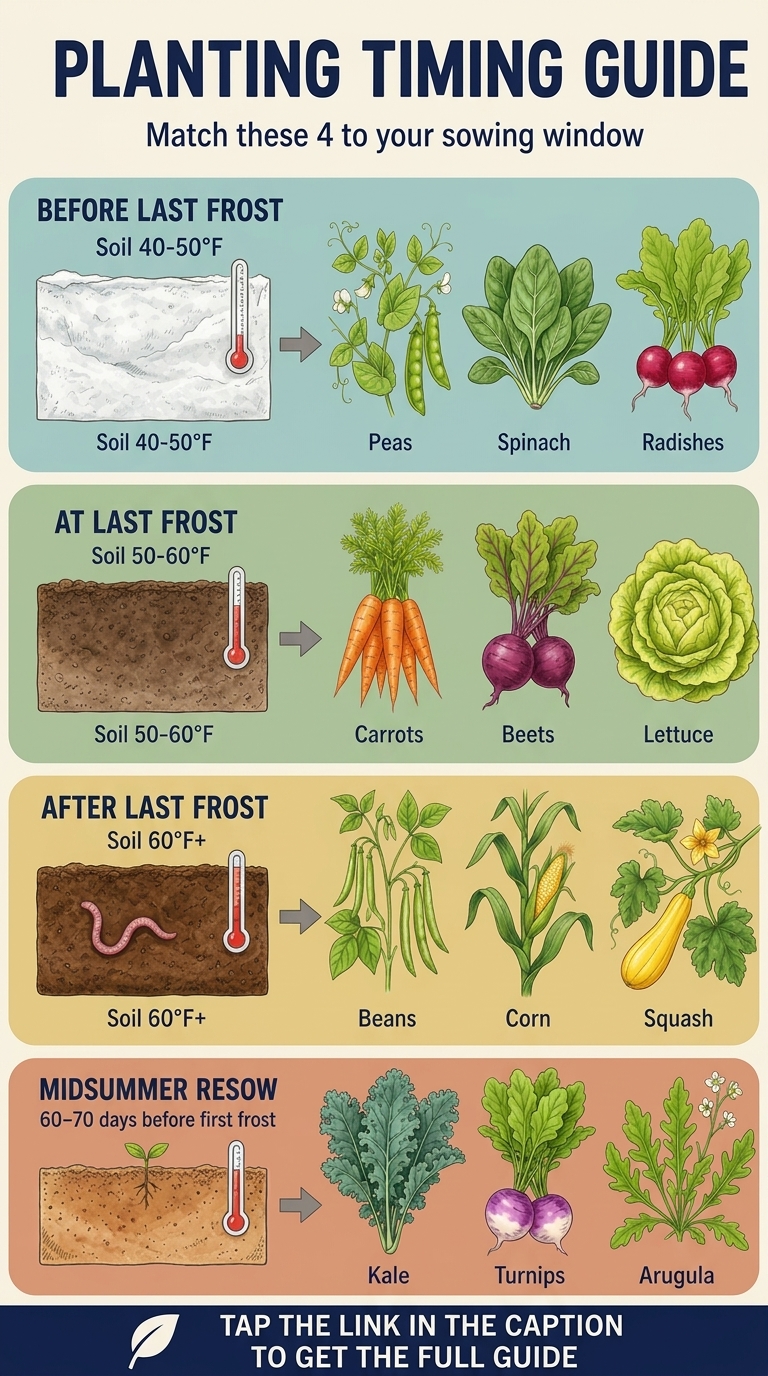
Cool-season crops are the backbone of early spring gardening. These plants are remarkably resilient, capable of germinating in chilly soil and weathering a light touch of frost without succumbing to the cold. Planting these early allows you to harvest before the intense heat of summer arrives, which often signals the end of their productive lifecycle.
Key crops for this phase include:
- Peas: These thrive in cool, moist conditions. Because they have a long germination period in cold soil, getting them in the ground early ensures they have time to establish strong root systems before the season turns.
- Spinach: A true cold-weather champion, spinach grows vigorously in the spring. It is highly resistant to frost and can be harvested as soon as the leaves reach a usable size.
- Radishes: Known for their rapid growth, radishes are the perfect “quick win” for the impatient gardener. They prefer the cooler temperatures of early spring and can often be harvested just weeks after sowing.
The Transition: Planting at the Last Frost
The average date of the last frost is the most critical milestone in the gardening year. At this point, the soil has warmed significantly, and the risk of a hard freeze has diminished. This is the ideal window for crops that appreciate temperate conditions but aren’t necessarily frost-hardy.
Consider planting the following at your last frost date:
- Carrots: While they can tolerate some cold, carrots germinate best once the soil temperature is consistently above freezing.
- Beets: Like carrots, beets perform best when the soil is workable and free of heavy frost crusts.
- Lettuce: Most varieties of lettuce prefer the mild temperatures of mid-spring. Planting at the last frost provides them with enough time to mature before the summer heat causes them to bolt or turn bitter.
The Warm-Season Shift: After the Last Frost
The final phase of spring planting begins once all danger of frost has passed and the soil has warmed deeply. These crops are tropical in origin; they require warm soil to germinate and warm air to produce fruit. Attempting to plant these too early will often result in stunted growth, rot, or total plant failure.
Focus on these favorites for late spring and early summer:
- Beans: Whether pole or bush, beans are highly sensitive to cold soil and will struggle to sprout until the weather is consistently warm.
- Corn: Corn is a heavy feeder that requires sustained heat to reach its full potential. Planting it into cold ground often leads to poor stand density and uneven growth.
- Squash: Summer squashes like zucchini and yellow squash, as well as winter varieties, are extremely frost-tender. Even a light frost can kill a young squash seedling instantly, making it vital to wait for steady warmth.
Practical Tips for Timing Success
To implement this guide effectively, you must first know your specific zone and average last frost date. Most local extension offices provide this data based on your city or county. Once you have that date, keep a garden journal to track your planting dates each year. Note what worked and what didn’t; even with a perfect calendar, microclimates in your yard—such as a south-facing wall or a particularly shaded corner—can change when you should actually put seeds in the ground.
Remember that weather is rarely predictable. If a late-season cold snap is forecast after you have already planted, be prepared with row covers or cloches to protect your vulnerable seedlings. By aligning your planting schedule with the natural rhythm of your climate, you will minimize plant stress and maximize your harvest season.