


The Philosophy of Container Companion Planting
Gardening in grow bags offers unparalleled flexibility, but space is your most precious resource. When you are confined to a fabric pot, you cannot simply throw any two vegetables together and expect success. The secret to a prolific container garden lies in thoughtful companion planting—pairing vegetables that share similar water and sun requirements while benefiting from each other’s physical structure or pest-repelling properties.
Why Companion Planting Matters in Grow Bags
In a small space, soil nutrients are depleted more rapidly than in a garden bed. By choosing the right partners, you can mitigate these issues. Some plants act as natural umbrellas, shading the soil to prevent moisture evaporation, while others utilize different root depths to minimize competition. When selected correctly, two plants in one bag can actually produce more total weight than if they were grown alone.
Top-Tier Vegetable Pairs for Your Grow Bags
To succeed with multi-cropping in fabric pots, aim for a minimum of a 10-to-15-gallon container. This provides enough root volume for both occupants to thrive without constant nutrient stress.
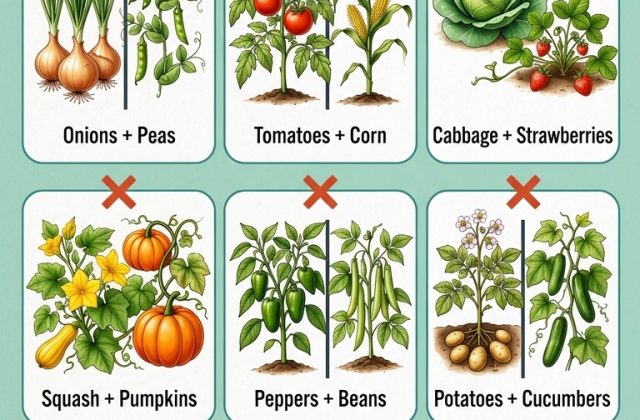
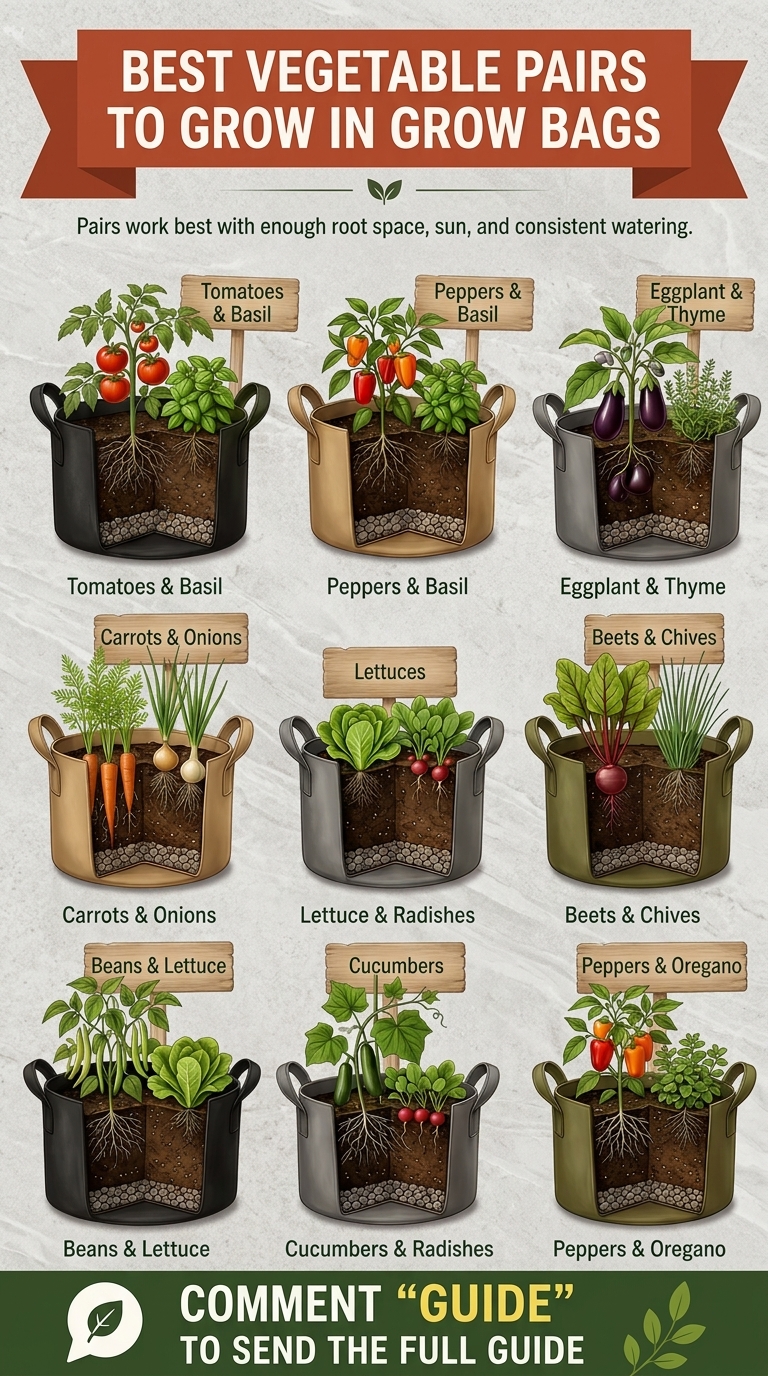
- Tomatoes and Basil: This is the gold standard of companion planting. Tomatoes provide height and some shade, while basil—planted around the base—acts as a living mulch. The scent of the basil is believed to help deter common tomato pests, and both plants enjoy consistent moisture and full sun exposure.
- Peppers and Parsley: Peppers are notoriously slow to fill their space early in the season. Underplanting them with parsley keeps the soil surface cool and prevents weeds from taking hold. Parsley is a low-maintenance herb that does not compete aggressively with the pepper plant’s root system, making it an ideal partner for a 10-gallon bag.
- Bush Beans and Lettuce: This pairing works because of their differing life cycles. Lettuce grows quickly and prefers cooler temperatures, while bush beans thrive in the heat. By the time the beans grow tall enough to provide some shade, the lettuce will appreciate the relief from the harsh afternoon sun.
- Cucumbers and Radishes: If you are growing a vining cucumber on a trellis inside your grow bag, the soil space at the bottom is often wasted. Tossing in a few radish seeds utilizes this vertical efficiency perfectly. Radishes grow quickly and harvest within weeks, long before the cucumber vines fully shade the pot.
Essential Rules for Container Pairing
Before you begin, remember that container gardening requires more frequent attention than ground soil. When you plant two species in a single bag, follow these three rules:
- Consistency is Key: Because you are doubling the root mass in one bag, the water demand increases. Check your bags daily during peak summer heat. If the leaves look slightly wilted by midday, your plants are fighting over the available water supply.
- Fertilize Regularly: In a container, nutrients leach out every time you water. Use a balanced, water-soluble organic fertilizer every two weeks to ensure that both plants have access to the building blocks they need to grow.
- Respect Root Zones: Always pair a shallow-rooted plant with a deep-rooted plant. For instance, pairing a lettuce (shallow) with a tomato (deep) ensures that the plants are not physically strangling each other beneath the soil line.
Troubleshooting Your Grow Bag Garden
If you notice one plant significantly outperforming the other, do not hesitate to prune the more aggressive plant. A primary benefit of grow bags is that they are portable. If you notice a pair is struggling, you can move the bag to a location with slightly different light conditions—perhaps shifting them from full, scorching sun to partial shade—to help stabilize the microclimate. By observing your plants closely, you will learn the unique rhythms of your specific setup, allowing you to iterate and improve your pairings season after season.