


If you have ever stared at a small backyard, a tiny patio, or a modest balcony and wished for more room to grow your favorite vegetables, you are not alone. Many gardeners mistakenly believe that a lack of sprawling acreage limits their ability to produce a bountiful harvest. However, by shifting your perspective from the horizontal to the vertical, you can unlock incredible potential in even the most constrained spaces.
Why Vertical Gardening is a Game Changer
Vertical gardening is more than just a space-saving hack; it is a superior way to cultivate many types of vining and climbing plants. When you train a plant to grow upward, you are working with its natural biology rather than forcing it to sprawl across the soil. This method leads to several distinct benefits, including improved air circulation, which significantly reduces the risk of fungal diseases like powdery mildew. Furthermore, keeping fruit off the ground protects your harvest from soil-borne pests and rot, ensuring cleaner, healthier produce.
Choosing the Right Supports
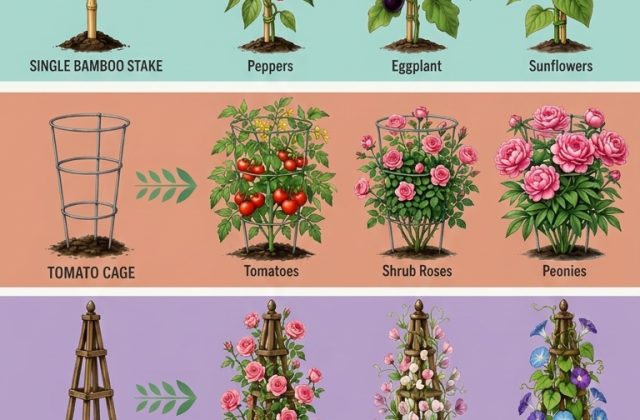
The foundation of any vertical garden is the support structure. Selecting the right tool depends largely on the weight and growth habit of the plant you are cultivating.
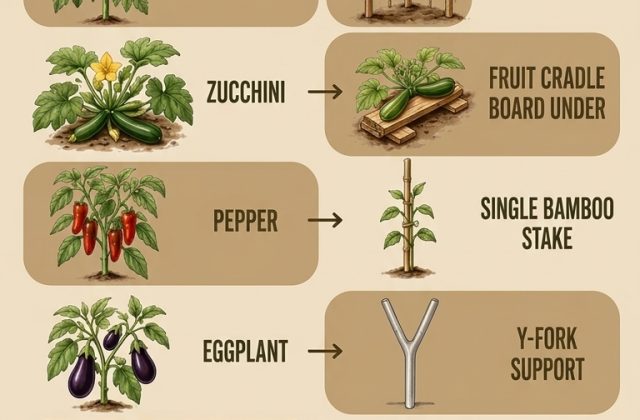
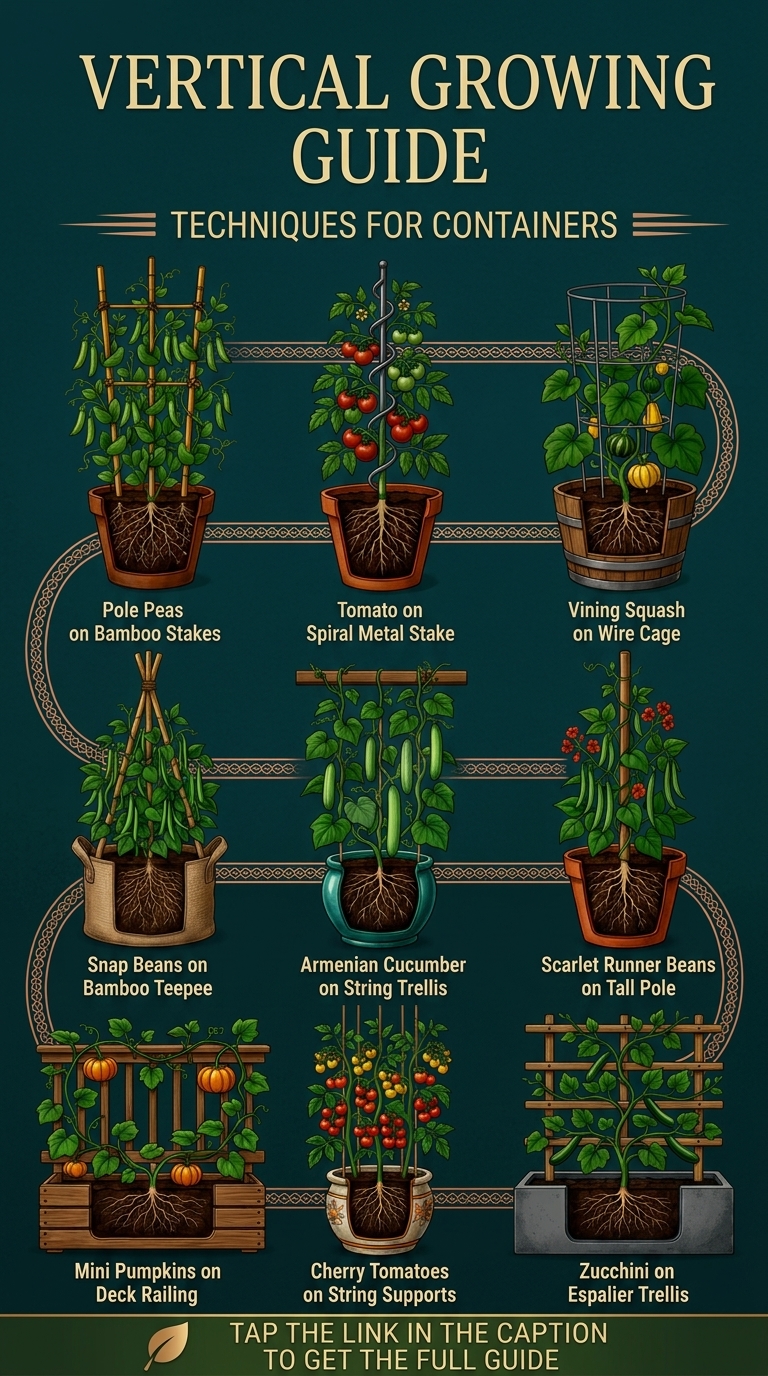
- Stakes: Ideal for single-stemmed plants like indeterminate tomatoes or peppers. These provide a simple, rigid anchor for the main stalk, though you will need to secure the plant with soft garden twine or clips as it grows.
- Cages: Perfect for bushier plants that need support from all sides. A sturdy wire cage allows the plant to grow within its frame, providing structural integrity for heavy fruit-laden branches without requiring constant manual tying.
- Trellises: The workhorses of the vertical garden. Whether you are using a wooden lattice, a wire grid, or a cattle panel, trellises are essential for vining crops like cucumbers, pole beans, peas, and climbing squash. They offer a vast surface area for tendrils to latch onto and climb.
- Netting: A cost-effective and flexible solution for lightweight vining crops. Trellis netting can be strung between two posts to create a living wall of greenery that is easy to install and remove at the end of the season.
Practical Tips for Success
Building your vertical structure is only the first step. To ensure a successful season, keep these practical gardening tips in mind:
- Plan Your Placement: Before installing any permanent trellis or heavy cage, consider the sun. Vertical structures act as walls and can cast significant shadows. Place your vertical garden on the north side of your planting beds so that the climbing plants do not block the light for your smaller, low-growing crops.
- Consider the Weight: Some vegetables, like heavy varieties of winter squash or melons, can become quite heavy as they mature. If you are growing these vertically, you may need to create “slings” out of old pantyhose or soft cloth to cradle the fruit. This prevents the weight of the vegetable from snapping the vine or pulling the plant down from its support.
- Train Early and Often: Don’t wait for your plants to become unruly. As soon as your seedlings or starts reach a few inches tall, guide them toward their support. Gently tie vining plants to the structure using soft ties to encourage them to head in the right direction. Once the tendrils grab hold, the plant will usually do the rest of the work for you.
- Water Wisely: Vertical gardens often dry out faster than traditional beds because the foliage is more exposed to wind and sun. Ensure you are monitoring soil moisture levels closely, especially during the height of the summer. Drip irrigation or soaker hoses are excellent companions for vertical setups, as they deliver water directly to the root zone without wetting the leaves, which further prevents disease.
By implementing these vertical growing techniques, you can transform your garden into a highly efficient, high-yielding oasis. Whether you are an urban gardener with a few pots or a backyard enthusiast looking to reclaim your planting space, going up is the smartest way to grow more in every sense of the word.