


Every successful gardener knows that the secret to a bumper harvest doesn’t just lie in the seeds you choose or the amount of water you provide. It begins deep beneath the surface, in the physical structure of your garden beds. The texture of your soil—whether it is sandy, silty, or loamy—acts as the foundation for your plants’ growth. Understanding this foundation allows you to work with nature rather than against it, ensuring your roots have the best possible environment to thrive.
Understanding Soil Texture
Soil texture is determined by the proportions of three mineral particles: sand, silt, and clay. These particles differ in size, which directly impacts drainage, nutrient retention, and how easily roots can penetrate the earth.
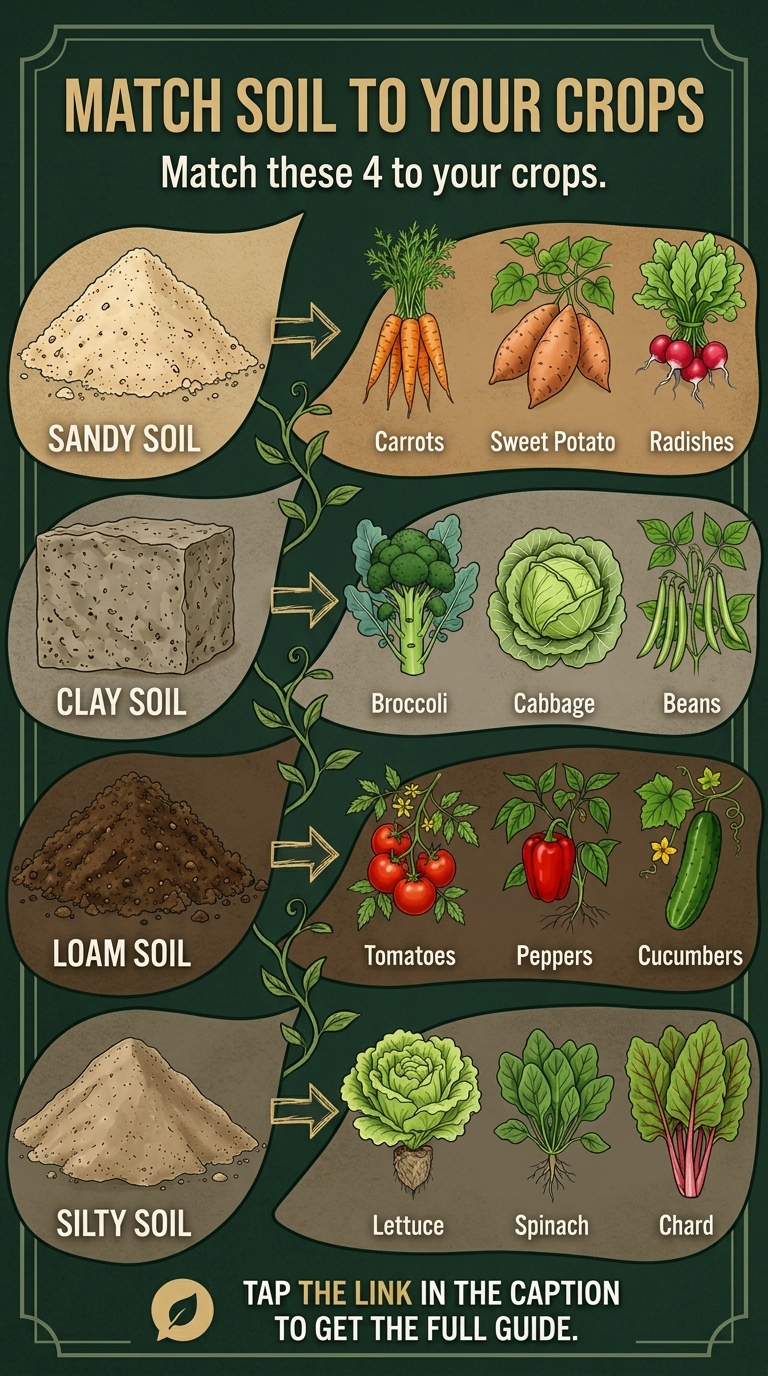
- Sandy Soil: Characterized by large particles, sandy soil feels gritty to the touch. It drains extremely fast and warms up quickly in the spring, but it struggles to hold onto water and nutrients.
- Silty Soil: These particles are smaller than sand but larger than clay. Silty soil feels smooth, almost like flour, when dry. It is highly fertile and holds moisture well, but it can become easily compacted.
- Loamy Soil: Often referred to as the ‘gold standard’ for gardeners, loam is a balanced mixture of sand, silt, and clay. It offers the ideal compromise, providing excellent drainage, good aeration, and impressive nutrient-holding capacity.
The Best Crops for Sandy Soil
If your garden is dominated by sandy soil, you are in luck if you love root vegetables. Because sandy soil is loose and friable, it offers very little resistance to developing tubers. This allows for straight, healthy growth without the twisting or stunted development often seen in heavier, compacted soils.
For the best results, focus on:
- Carrots: They can easily push through loose sand, resulting in long, uniform taproots.
- Radishes: Since they mature quickly, they benefit from the rapid soil warming characteristic of sandy beds.
- Sweet Potatoes: These love the excellent drainage that sandy soil provides, which helps prevent rot.
Pro Tip: Because sandy soil drains so rapidly, you will need to amend it with organic matter like compost or well-rotted manure to improve its water-holding capacity and ensure your crops aren’t constantly parched.
Crops That Thrive in Loam and Silt
When you have nutrient-rich loamy or silty soil, you have the flexibility to grow almost anything. These soils are particularly well-suited for heavy feeders and crops that require a consistent moisture supply throughout their growing cycle.
Consider planting these in your high-quality beds:
- Tomatoes: These thirsty plants need a soil base that holds enough moisture to sustain them through hot summers, while still providing enough oxygen to the roots.
- Peppers: Much like their nightshade cousins, peppers thrive in the stable, nutrient-dense environment provided by loam.
- Leafy Greens: Lettuce, spinach, and kale have relatively shallow root systems. Silty soil is perfect here because it stays consistently moist, preventing these plants from bolting in the heat.
Practical Steps for Success
You don’t need a lab test to get a general idea of your soil type. The ‘jar test’ is a classic, low-tech way to see your soil’s composition. Simply fill a mason jar one-third full with garden soil, fill the rest with water, shake it well, and let it settle for 24 hours. You will see the sand settle at the bottom, the silt in the middle, and the clay floating on top. This visual breakdown will tell you exactly what you are working with.
Remember that soil is not static. Regardless of your base texture, regular additions of organic matter act as a great equalizer. Organic matter helps bind sandy soil together to keep water in, and it helps break up clay or silty soil to improve aeration. By consistently building your soil health each season, you create a forgiving environment that allows a wider variety of crops to flourish, regardless of the starting point.
Ultimately, gardening is an observational practice. By matching the right plant to the right soil texture today, you are setting the stage for a more productive and lower-maintenance garden tomorrow.