


Embarking on your first gardening journey is an incredibly rewarding experience, but it can also be overwhelming. With so many variables—soil quality, sunlight, water requirements, and pest management—it is easy to feel intimidated. The secret to success for any beginner is starting small with plants that are resilient, fast-growing, and forgiving. By selecting the right crops, you can build your confidence and harvest your own food in your very first season.
Why Choosing ‘Easy’ Vegetables Matters
Gardening is a practice of patience, but as a beginner, you want to see progress to stay motivated. Fast-growing, low-maintenance vegetables provide quick wins. These plants are generally less susceptible to common pests and diseases, and many can be grown in containers if you don’t have a dedicated backyard plot. Focusing on these varieties allows you to master the basics of watering and soil health without the stress of managing high-maintenance crops.
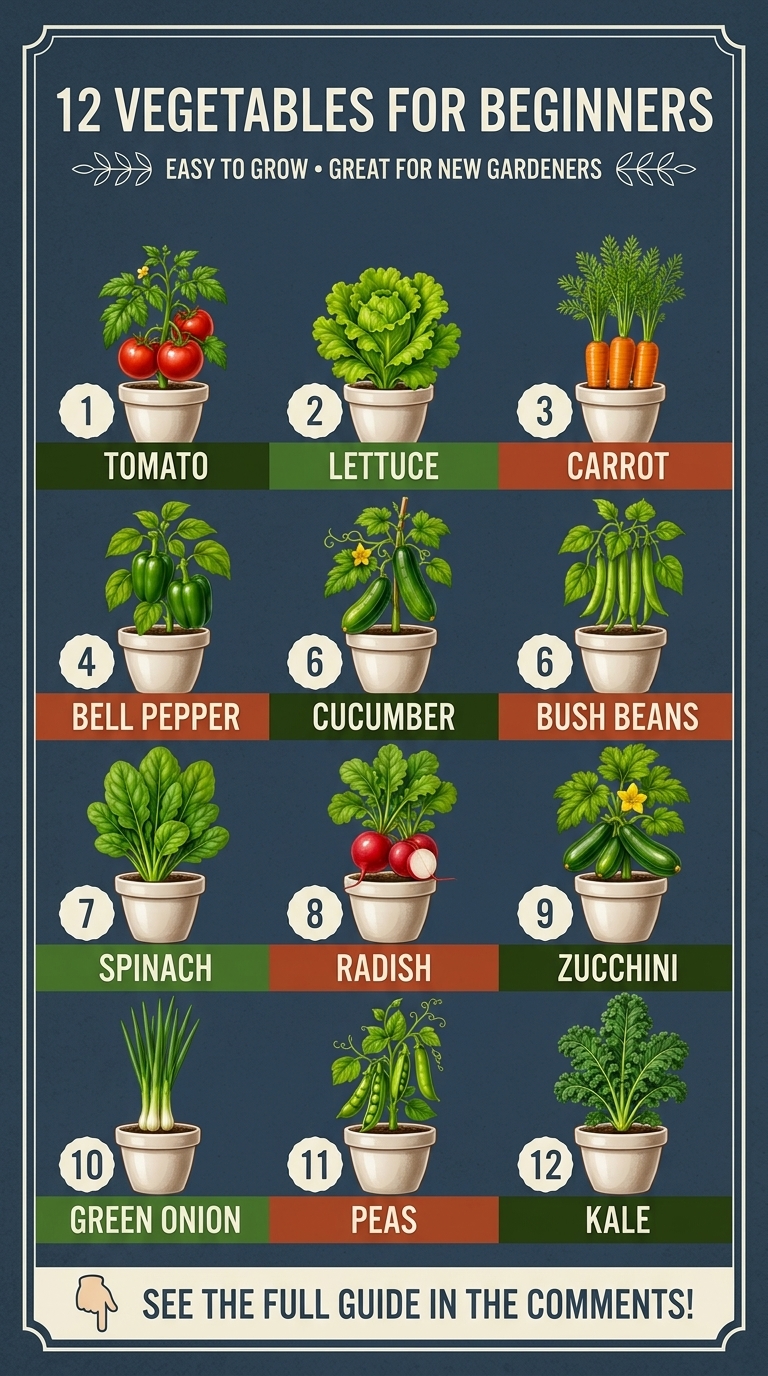
12 Resilient Vegetables for Beginners
- Radishes: Perhaps the fastest-growing vegetable available, many varieties are ready to harvest in as little as 25 to 30 days. They thrive in cool weather and are perfect for filling empty spaces in your garden beds.
- Leaf Lettuce: Instead of heading lettuces which take longer to mature, try loose-leaf varieties. You can harvest the outer leaves throughout the season, allowing the plant to keep producing.
- Green Beans: Bush beans are exceptionally easy to grow. They do not require a trellis like pole beans, and they are prolific producers that enjoy warm summer soil.
- Zucchini: Known for its productivity, a single zucchini plant can often feed an entire family. Just give them plenty of space and full sun, and you will be amazed at how quickly they grow.
- Peas: These are cool-season favorites. Sugar snap peas are sweet, crunchy, and simple to grow, provided they have a small fence or net to climb.
- Cherry Tomatoes: While large beefsteak tomatoes can be finicky, cherry tomatoes are incredibly hardy. They tend to ripen faster and are less prone to issues like blossom end rot.
- Spinach: A nutritional powerhouse that loves cooler temperatures. It can be harvested as ‘baby spinach’ in just a few weeks or allowed to mature for larger leaves.
- Cucumbers: Like zucchini, cucumbers love the heat. Planting them in a sunny spot with consistent watering will result in a heavy harvest.
- Swiss Chard: This plant is both ornamental and delicious. It is extremely heat-tolerant compared to other greens and will continue to provide leaves until a heavy frost.
- Carrots: While they need loose, rock-free soil, carrots are very low-maintenance once they germinate. Ensure you thin them out so they have room to form their roots.
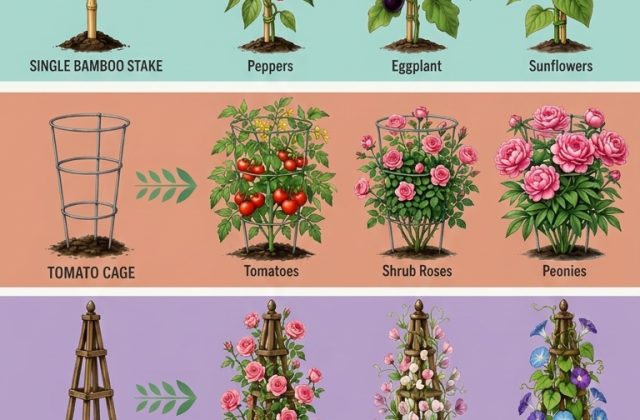
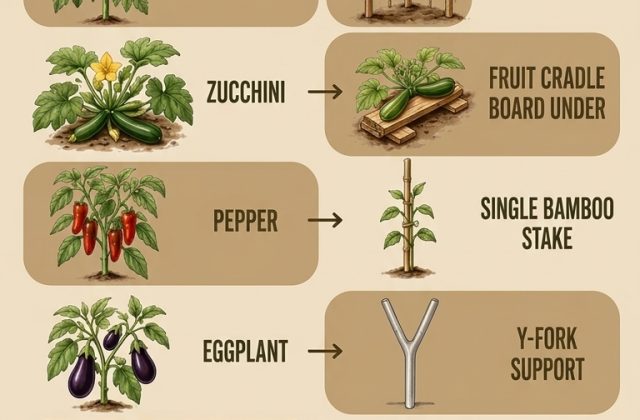
- Bell Peppers: These plants love the heat and are quite sturdy once they are established. They do well in pots and benefit from a little extra support with a small stake.
- Green Onions: Also known as scallions, these are excellent for beginners because they are compact and rarely bothered by pests. You can even regrow them from kitchen scraps.
Practical Tips for Your First Harvest
Success in the garden is mostly about preparation. Before you sow your first seed, ensure your site receives at least six to eight hours of direct sunlight. Most vegetables will struggle in the shade. Furthermore, invest in quality potting mix if you are gardening in containers, or amend your garden soil with organic compost to provide the nutrients your plants need to thrive.
Consistency is key when it comes to watering. New gardeners often make the mistake of watering too lightly and too often. It is much better to water deeply and less frequently, allowing the roots to grow deep into the soil. Aim for about one inch of water per week, adjusted for rainfall and heat intensity. Finally, do not forget to label your rows. It may seem obvious now, but as your garden fills in, it is easy to forget exactly what you planted and where.
Remember, every expert gardener started exactly where you are today. If a plant fails, look at it as a learning opportunity rather than a defeat. Gardening is an ongoing experiment, and with these twelve vegetables, you are well on your way to a successful and productive first harvest.