


Why Pot Selection Matters More Than You Think
When we bring home a new plant, the nursery container is often treated as a temporary holding cell. However, many gardeners overlook the profound impact that the vessel itself has on long-term health. A pot is more than just a decorative accessory; it is the environment that dictates root aeration, moisture retention, and overall structural stability. Choosing the wrong container can lead to stunted growth, root rot, and a host of other preventable issues.
Understanding Material Dynamics
The material of your pot plays a significant role in how you manage your plant care routine. Understanding the trade-offs between materials is the first step toward becoming a more intuitive gardener.
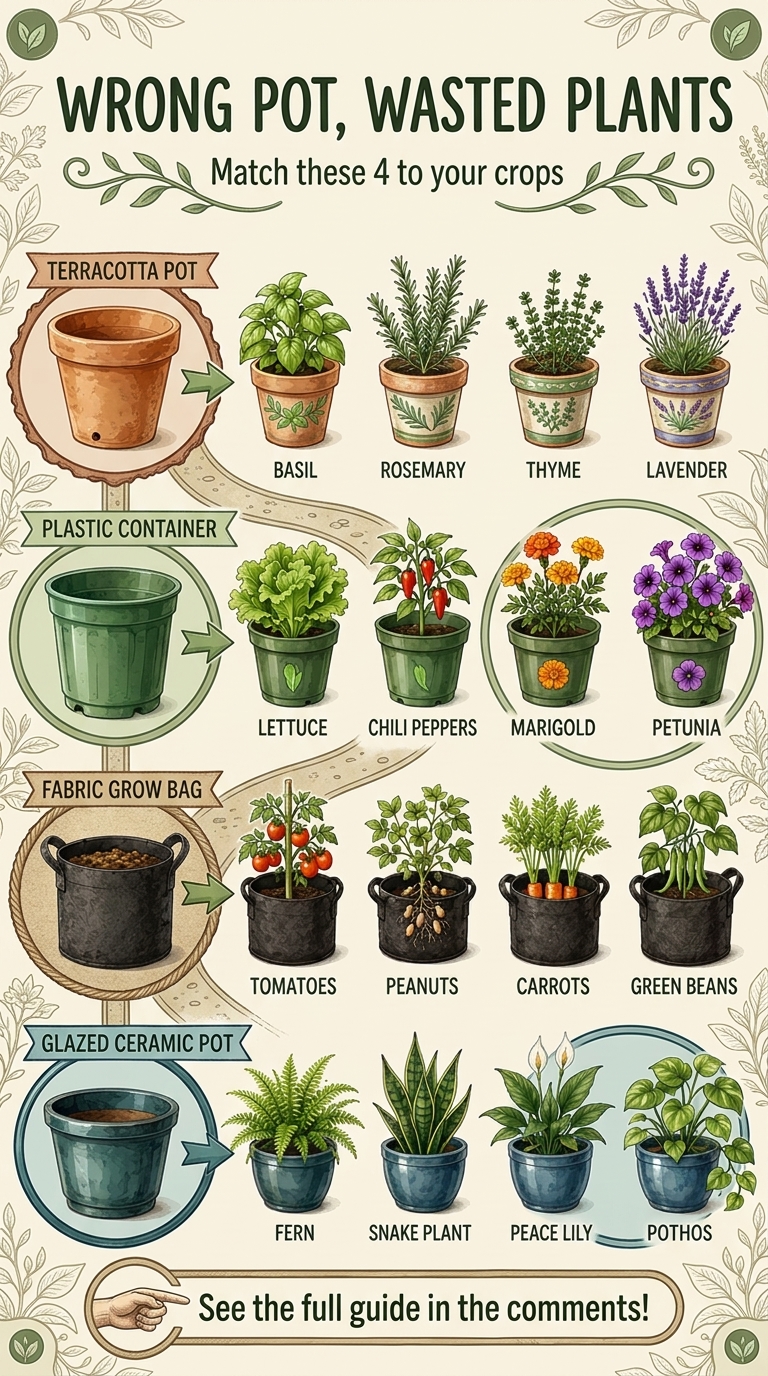
- Terra Cotta and Unglazed Clay: These materials are porous, meaning they allow both water and air to pass through the walls of the pot. This is excellent for plants that prefer to dry out quickly, such as succulents, cacti, and snake plants. However, keep in mind that plants in these pots will require more frequent watering.
- Glazed Ceramic and Plastic: These materials are non-porous and retain moisture significantly longer. They are ideal for humidity-loving plants like ferns, calatheas, and peace lilies. The downside is that they offer less airflow to the root system, making them more prone to waterlogging if your soil drainage isn’t perfect.
- Fiberglass and Resin: These are lightweight, durable, and versatile options. They are excellent for larger floor plants that would be too heavy in ceramic. They generally behave like plastic in terms of moisture retention.
The Golden Rule of Drainage
If there is one piece of advice every gardener must follow, it is this: always ensure your pot has drainage holes. Drainage is the single most important factor in preventing root rot, a silent killer caused by water sitting stagnant at the bottom of the pot. Without holes, the excess water has nowhere to go, depriving roots of the oxygen they need to survive. If you fall in love with a decorative pot that lacks a hole, use it as a ‘cachepot’ by placing your plant inside its original plastic nursery liner. This allows you to remove the plant for watering, let it drain completely, and then return it to the decorative container.
Sizing Your Container Correctly
A common mistake is thinking that a larger pot is always better. While it seems generous to give your plant plenty of room to stretch, a pot that is too large can actually be detrimental. Large pots hold vast amounts of excess soil that stays wet long after the roots have taken up what they need. This creates an environment where fungus and bacteria thrive. As a general rule of thumb, only move your plant into a pot that is one to two inches wider in diameter than its current container. This provides enough room for growth without overwhelming the plant with moisture-retaining soil.
Matching Pot Geometry to Root Systems
Different plants have different root architectures, and your choice of pot should reflect that. Shallow-rooted plants, such as many types of orchids and certain succulents, prefer ‘bulb’ or shallower pots that don’t hold excess soil where roots can’t reach. Conversely, plants with deep, expansive taproots require tall pots to thrive. Always research the specific habits of your plant species before committing to a final home. By thoughtfully pairing your plants with the right material, size, and drainage configuration, you are setting the stage for a thriving indoor garden that grows with confidence rather than just surviving.