


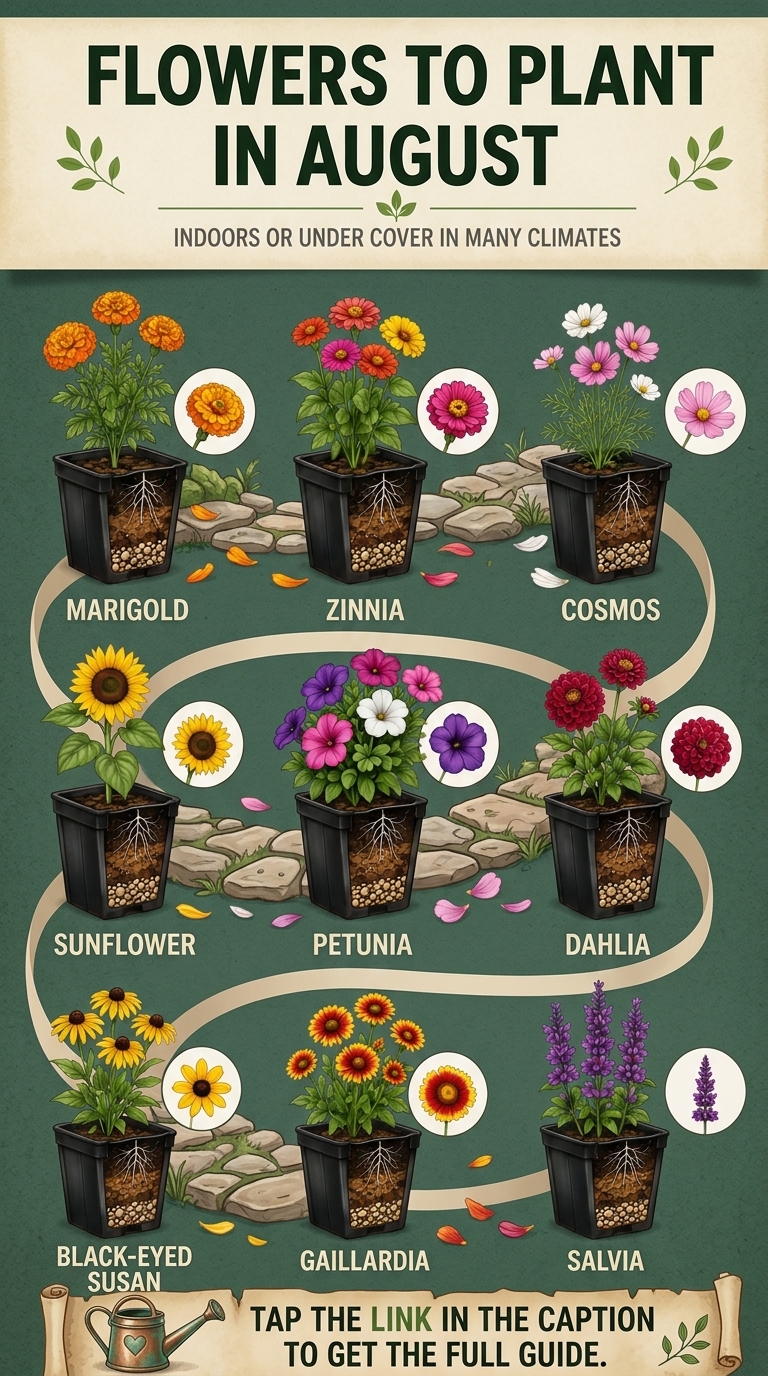
When many gardeners look at the August heat, they often assume the growing season is winding down. In reality, August is a pivotal month for the proactive gardener. By shifting your focus toward indoor starting or sheltered sowing, you can extend your harvest, prepare for a vibrant autumn display, and get a significant head start on next year’s perennials. Understanding the ‘why’ behind late-summer sowing is the secret to a garden that stays productive long after the first frost.
The Why: Why August Matters
August provides a unique microclimate in many regions. The soil is still warm, which encourages rapid germination, but the intensity of the midday sun begins to wane, reducing the stress on delicate seedlings. Starting seeds under cover—whether in a greenhouse, a cold frame, or simply on a bright windowsill—allows you to bypass the harsh conditions of mid-summer. This strategy is particularly effective for cool-season flowers that require a lower ambient temperature to establish their root systems before the onset of winter.
Flowers to Start Under Cover in August
Focusing on cool-season bloomers now ensures that your garden will be filled with color when other plants are beginning to fade. Here are the varieties best suited for this late-summer window:
- Pansies and Violas: These are the gold standard for late-season color. Starting them in August allows them to establish strong, hardy plants that will bloom late into autumn and, in many zones, survive through the winter to provide early color in the spring.
- Snapdragons: While often grown as annuals, snapdragons are surprisingly cold-hardy. Sowing them under cover in August allows them to develop robust root systems, leading to a prolific display of stalks in the cooler months.
- Sweet Peas: In milder climates, starting sweet peas in late summer or early autumn is the traditional method. By giving them a head start under cover, you allow them to grow slowly throughout the winter months, resulting in exceptionally strong vines that are ready to bloom at the first sign of spring.
- Calendula: This resilient flower thrives in cool weather. Starting it now ensures it will be ready to fill in gaps in your borders during the transition between summer and fall.
The How: Practical Tips for Success
Starting seeds in the heat of August requires a different approach than spring sowing. Here are the keys to keeping your seedlings healthy:
- Manage the Heat: If you are starting seeds indoors, keep them in the coolest part of your home. If your house is consistently warm, you might consider using a cellar or a north-facing room where temperatures are more stable. Avoid placing seed trays in direct, baking sunlight, which can cook the seeds before they have a chance to germinate.
- Moisture Control: The warm air in August can dry out seedling trays rapidly. Using a humidity dome or a clear plastic cover can help maintain consistent moisture levels, but be sure to remove it once you see the first signs of germination to prevent damping-off disease.
- Light Requirements: Even though it is late summer, your seedlings need plenty of light to remain sturdy rather than ‘leggy.’ If you are growing indoors, supplement with an LED grow light to ensure they receive a consistent 12–14 hours of light daily.
- Hardening Off: Do not rush to plant your indoor-started seedlings directly into the garden beds. The transition from a sheltered environment to the fluctuating temperatures of late summer must be gradual. Introduce your seedlings to the outdoors for a few hours a day, gradually increasing their exposure over the course of a week.
Preparing for the Transition
By treating August as a month of ‘new beginnings’ rather than just a month of maintenance, you change the trajectory of your garden. The goal is to produce strong, young plants that are primed for the cooler nights of September and October. Not only does this provide aesthetic benefits, but it also helps suppress weed growth by ensuring your garden beds remain densely planted with desirable species.
Always remember that gardening is a dialogue with your specific local climate. If you live in an area with an exceptionally long, hot summer, keep your starts under cover longer. If you live in a region where autumn arrives early, ensure your seedlings are protected from early frosts with row covers or cold frames. By paying close attention to your local conditions, you can harness the momentum of August to create a garden that is as beautiful in the autumn as it was in the spring.