


Many gardeners fall into the trap of thinking that once mid-summer heat hits, the growing season is winding down. However, experienced growers know that August is actually one of the most exciting months in the garden. It is the bridge between the heavy production of summer and the cool, crisp harvests of autumn. By strategically planting in late summer, you can maximize your garden’s output and enjoy fresh produce well into the first frosts.
Why August Matters for Your Garden
The secret to successful August gardening is understanding soil temperature and the changing length of daylight. While the air is still warm, the soil often stays at an ideal temperature for germination. Many cool-season crops that bolted in the heat of July will now thrive as the days gradually shorten and evenings begin to cool. This second planting window allows you to reclaim space left behind by spent summer crops like peas or early-season lettuce.
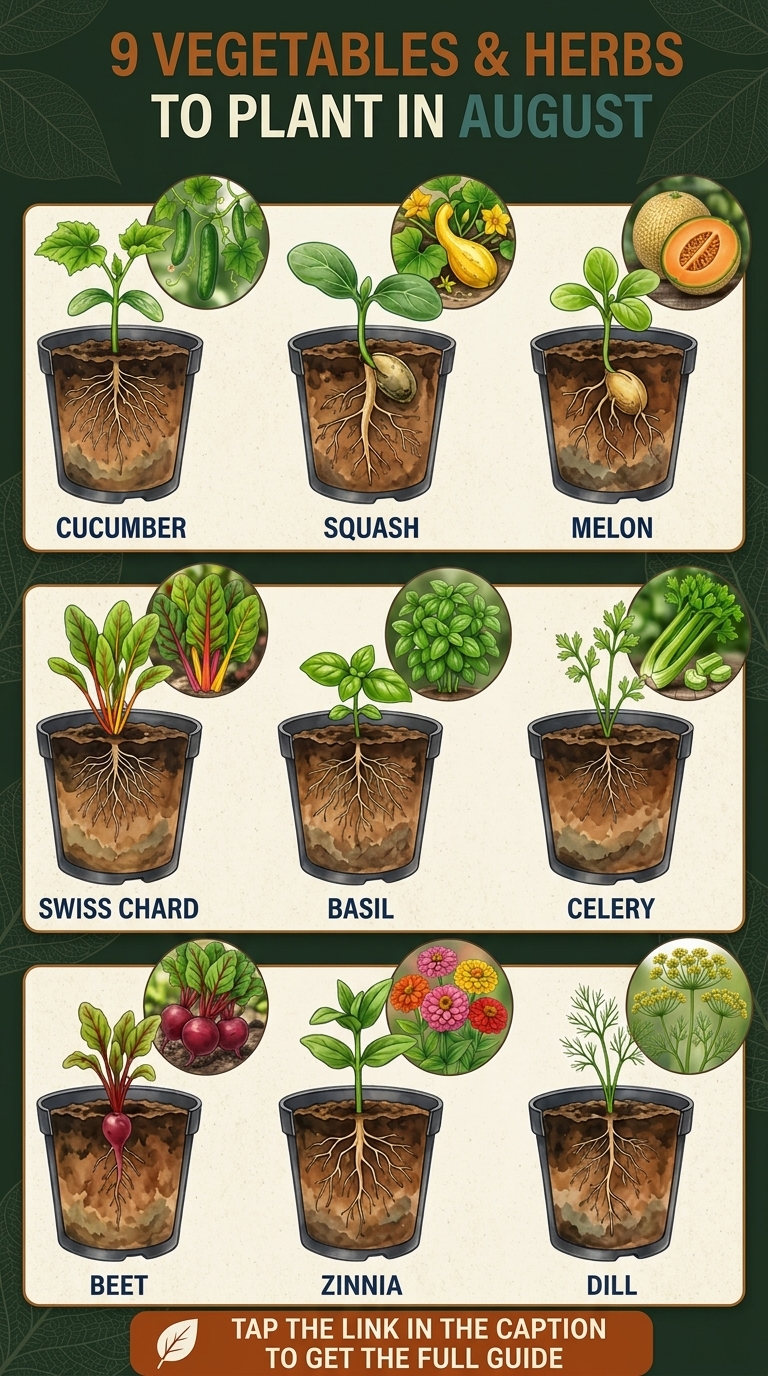
Top Vegetables and Herbs for August Sowing
- Kale: As a hardy brassica, kale becomes significantly sweeter after the first touch of frost. Planting it in August gives the plants enough time to establish a robust root system before the deep cold sets in.
- Spinach: Spinach is notorious for bolting in the heat, but it loves the cooling soil of late summer. August sowings will reward you with tender, nutrient-dense leaves throughout the autumn months.
- Radishes: If you want instant gratification, radishes are your best friend. These fast-growing root vegetables can go from seed to harvest in as little as 25 to 30 days, making them perfect for filling gaps in the garden.
- Arugula: Much like spinach, arugula thrives as the intensity of the summer sun wanes. Planting it now ensures you have a peppery addition to your salads through October.
- Carrots: Sowing carrots in August is a classic move. These roots mature slowly as the temperatures drop, which helps them develop a wonderful, crisp sweetness that summer-grown carrots often lack.
- Swiss Chard: This colorful powerhouse is remarkably resilient. A late-summer planting will produce lush, vibrant leaves that can often survive even a light frost.
- Cilantro: While cilantro typically bolts at the first sign of heat, an August planting takes advantage of cooler weather to produce a long-lasting crop of fresh leaves before it eventually decides to go to seed.
- Lettuce Varieties: Focus on loose-leaf or butterhead varieties. Since they don’t need to form a solid head, you can harvest the outer leaves throughout the autumn, providing a continuous supply for your kitchen.
- Mustard Greens: These spicy greens grow incredibly quickly in the waning warmth of late summer. They add a great punch of flavor to soups, stir-fries, and fresh salads.
Practical Tips for Late-Summer Success
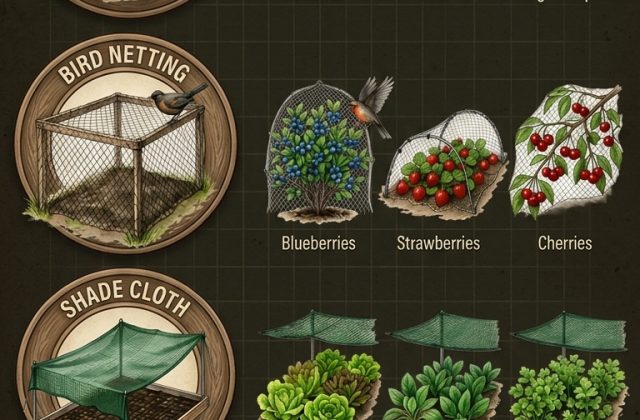
Gardening in August requires a slightly different approach than spring planting. The biggest challenge is moisture control. The soil can dry out rapidly in the summer sun, which can kill delicate, newly germinated seeds. To combat this, ensure you water your seed rows daily until you see sprouts. Using a light layer of straw or a row cover can help retain soil moisture and provide a bit of shade during the hottest parts of the day.
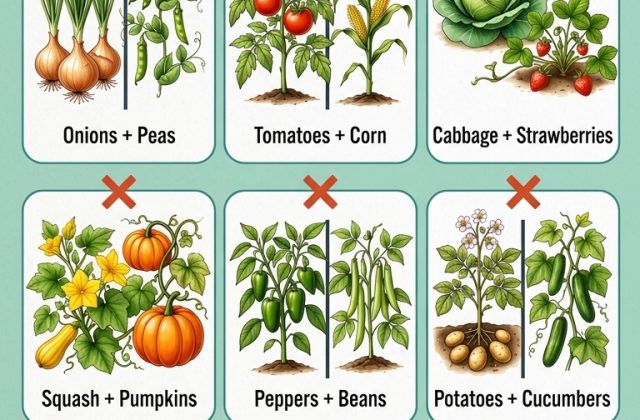
Another vital tip is to be mindful of garden space. Don’t wait for your summer crops to turn brown and die before planting your fall seeds. If you have a tomato plant that is slowing down, consider interplanting your kale or spinach beneath its canopy. The larger plant will provide gentle shade, acting as a natural nurse crop for the younger seedlings. Once the summer vegetable is finally removed, the fall crop will already be established and ready to take off.
Finally, remember to amend your soil. Your garden has worked hard all season, and the nutrients have likely been depleted by your spring and summer plantings. A fresh application of compost or organic granular fertilizer will give your fall crops the boost they need to thrive before the winter dormancy sets in. By planning ahead and timing your August sowings, you are not just gardening for the present; you are building a resilient, year-round system that keeps your table full and your garden beds productive.