


Stepping into the world of vegetable gardening can feel overwhelming. With endless varieties of seeds, soil amendments, and watering schedules to manage, it is easy for a newcomer to get discouraged. However, gardening is fundamentally a simple practice of patience and observation. By choosing the right crops, you can set yourself up for a bountiful harvest while building the confidence needed to tackle more complex plants later.
Why Choosing the Right Crops Matters
Many beginning gardeners fail simply because they start with high-maintenance crops that require precise pruning, staking, or intense pest management. The twelve vegetables outlined below were chosen for their resilience, ease of germination, and reliable yields. When you start with plants that want to grow, the gardening process becomes rewarding rather than stressful.
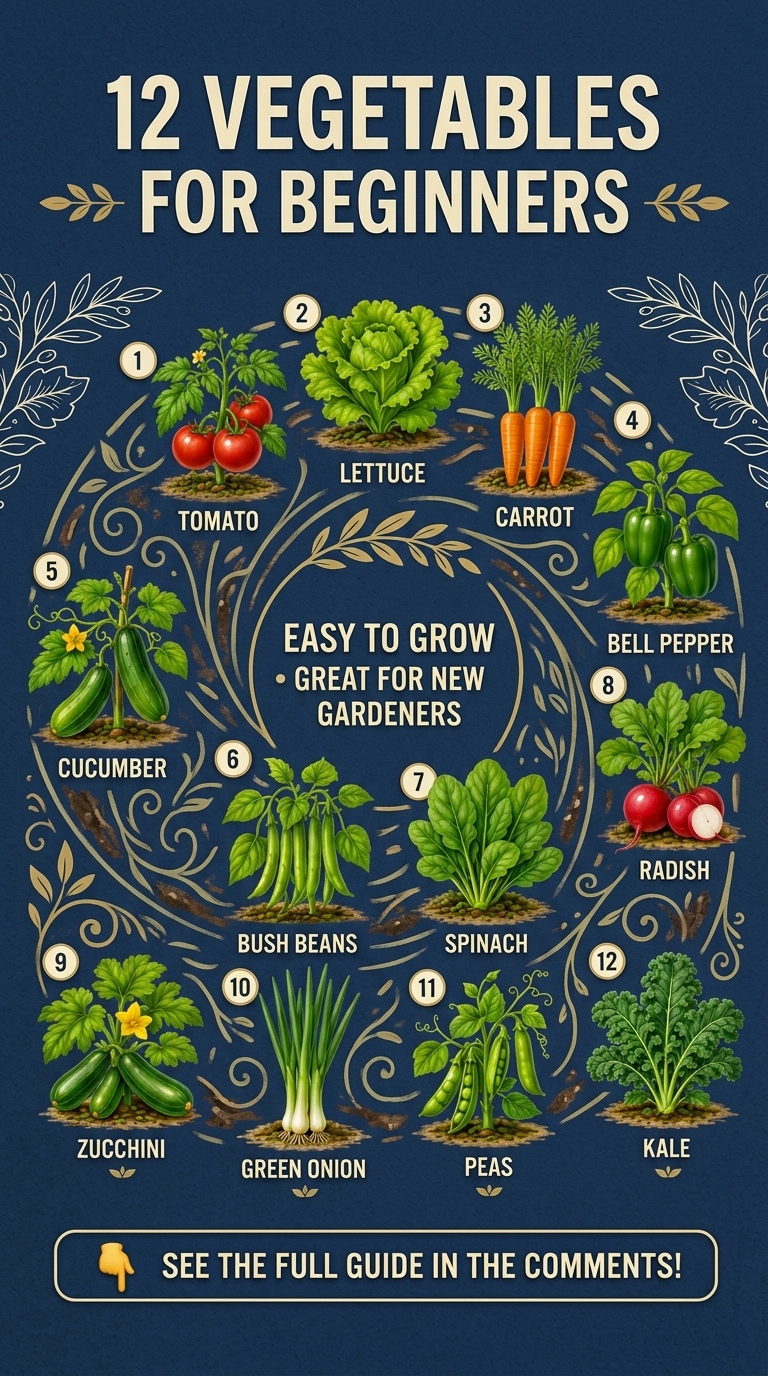
Top 12 Beginner-Friendly Vegetables
- Radishes: These are the gold standard for immediate gratification. They grow rapidly and can often be harvested just three to four weeks after planting seeds.
- Leaf Lettuce: Unlike heading lettuce, loose-leaf varieties allow you to harvest individual outer leaves, providing a continuous supply throughout the season.
- Green Beans: Whether you choose bush or pole varieties, beans are incredibly prolific and fix nitrogen in the soil, which benefits your garden long-term.
- Zucchini: A single zucchini plant can often produce more than enough squash for a household. They are vigorous growers that thrive in warm, fertile soil.
- Cherry Tomatoes: Easier to manage than their large-fruited counterparts, cherry tomatoes are hardy, disease-resistant, and start producing fruit relatively quickly.
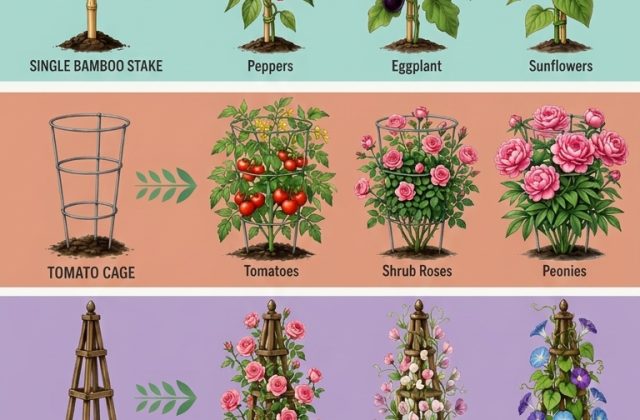
- Peas: Ideal for cooler spring or fall weather, peas are simple to direct-sow and love to climb, making them perfect for small spaces using simple trellises.
- Spinach: A nutritional powerhouse that grows quickly in cooler temperatures, spinach is simple to maintain and harvest in succession.
- Swiss Chard: Exceptionally heat-tolerant compared to other leafy greens, chard provides beautiful color and multiple harvests throughout the summer.
- Carrots: While they require loose, rock-free soil to develop properly, carrots are low-maintenance once they are established.
- Cucumbers: These love the sun and, when provided with a vertical structure to climb, will produce an abundance of crisp fruit.
- Bell Peppers: While they need plenty of sunlight, they are generally pest-resistant and produce well in containers or raised beds.
- Kale: One of the most resilient greens you can plant, kale can withstand light frosts and continues to produce leaves even as other plants begin to fade.
Practical Tips for Gardening Success
Once you have selected your seeds, the secret to success lies in preparation. Always prioritize soil quality. Before planting, mix in organic compost to provide the essential nutrients and drainage your vegetables crave. Consider a raised bed if your native soil is heavy clay, as this allows you to control the growing medium perfectly.
Watering consistency is just as important as the quality of the soil. Aim to keep the soil moist but not waterlogged. Watering at the base of the plant, rather than getting the leaves wet, helps prevent common fungal issues. Mulching with straw or wood chips around your plants will help retain soil moisture, suppress weeds, and keep your harvest clean.
Finally, remember to observe your garden daily. Spend a few minutes each morning checking for pests or signs of nutrient deficiency. Early intervention is the key to preventing minor issues from becoming major problems. Gardening is a skill honed through experience; do not be afraid to learn from the plants that struggle and celebrate the ones that thrive. By starting small with these reliable varieties, you are laying the foundation for a lifetime of home-grown success.