


Why September is a Secret Gardening Powerhouse
Many gardeners view September as the beginning of the end. As the summer sun wanes and daylight hours shorten, the impulse is to start clearing out beds for winter. However, for those in the know, September is actually one of the most exciting windows for planting. In zones 3 through 10, the soil remains warm from the summer months, while the air temperature begins to cool—a combination that is nothing short of magical for cool-season crops. By planting in September, you extend your growing season, often harvesting crisp, flavorful produce well into the late autumn or even early winter.
The Benefits of Cool-Season Gardening
There are several logistical and biological advantages to leaning into a September planting schedule. First, the intensity of the sun is less punishing. Delicate seedlings that might have fried in the July heat are much more likely to thrive as the temperatures become moderate. Second, many pests that plague summer gardens, such as squash vine borers or aphids, tend to decline in activity as the season shifts. Finally, the flavor profile of many vegetables changes for the better in cooler weather. Leafy greens like kale and spinach, and root vegetables like carrots, actually convert their starches into sugars as a protective measure against light frost, resulting in a much sweeter, more complex flavor.
Top Crops for Your September Garden
Regardless of your specific growing zone, there is a core group of vegetables that excel when planted in the early autumn window. These crops are resilient, quick to establish, and highly rewarding.
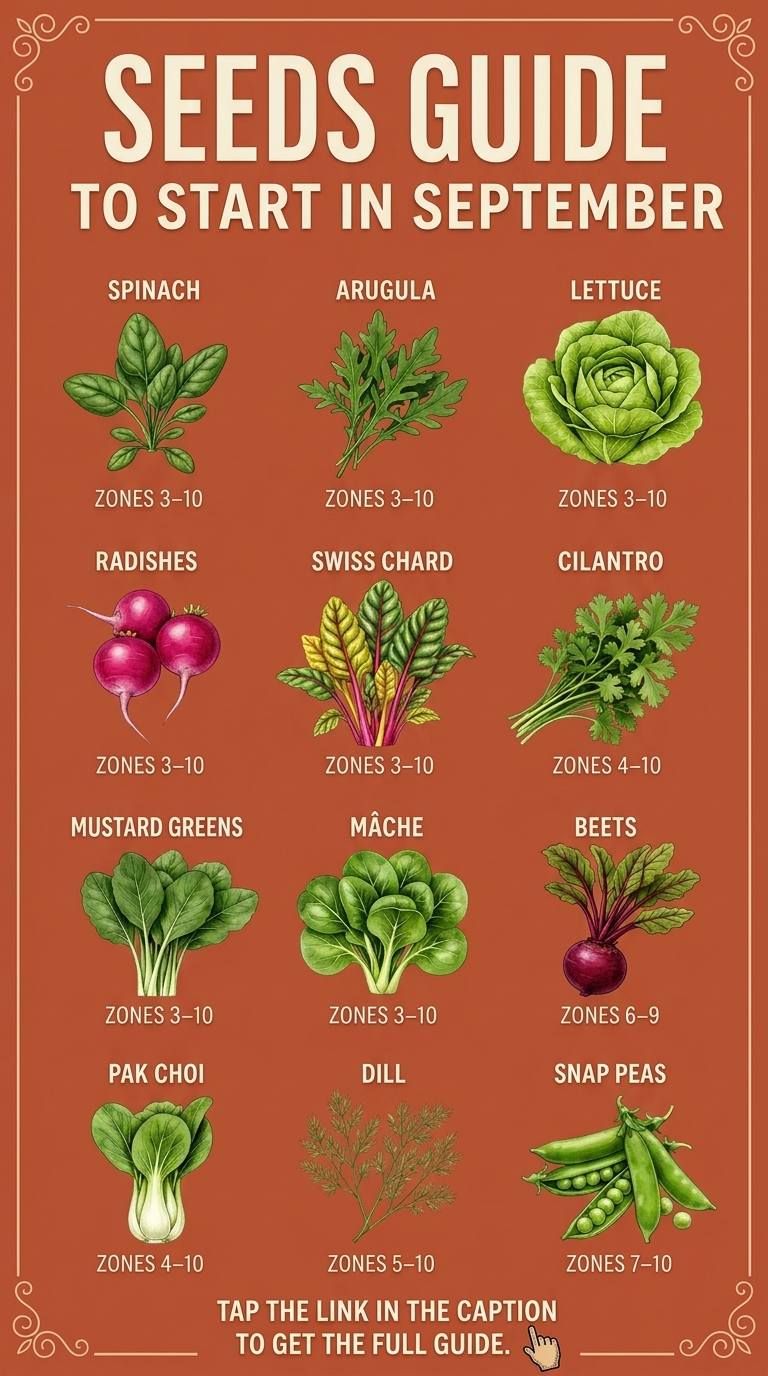
- Leafy Greens: Spinach, arugula, and Swiss chard love the cooling soil. These greens grow rapidly and can be harvested as ‘baby greens’ just weeks after germination.
- Kale and Collards: These brassicas are incredibly frost-hardy. Planting them in September allows them to reach maturity just as the first frost hits, which actually enhances their culinary quality.
- Radishes: If you are looking for instant gratification, radishes are your best friend. Many varieties reach maturity in just 25 to 30 days, meaning you can easily harvest a crop before the hard freeze arrives.
- Carrots and Beets: While these root vegetables take longer to mature, they thrive in the cooling soil of autumn. Because they grow underground, they are protected from the earliest light frosts, allowing them to remain in the ground until you are ready to eat them.
- Lettuce Varieties: Focus on loose-leaf lettuce varieties, which are generally more heat-tolerant during the transition period than head lettuces.
How to Succeed with Late-Season Planting
Transitioning from a summer garden to an autumn garden requires a few tactical adjustments. Because the days are getting shorter, photosynthesis happens at a slower rate, which means crops may take a little longer to reach their full size than they would in the spring. Be patient and keep a close eye on your soil moisture.
First, clear out your spent summer crops—like finished tomato vines or peppers—to make room. If you are starting seeds directly in the ground, ensure you are keeping the soil consistently moist until germination occurs. The surface of the soil can dry out quickly in the late afternoon sun, which can kill tender, newly sprouted seeds. Consider using a thin layer of light mulch or a row cover to keep the soil surface damp.
Second, consider the use of row covers or ‘cloches’ as the season progresses. If you live in a colder zone (3-6), a simple floating row cover can act as a miniature greenhouse, protecting your September-planted crops from early frost and buying you several extra weeks of growth. These covers allow light and water to penetrate while trapping just enough heat to prevent cold damage.
Finally, keep up with your nutrient management. Even though the plants aren’t growing as rapidly as they did in the height of July, they still require nutrients. A light application of compost or a balanced organic fertilizer at the time of planting will help provide the sustained energy your crops need to thrive throughout the cooling months.
By embracing the transition of the season, you stop fighting the cooling weather and start working with it. September gardening is about precision and foresight, and when done correctly, it provides a final, delicious bounty that makes the transition into winter feel like a celebration rather than a shutdown.