


Maximizing Your Garden Through Summer Successions
Many gardeners fall into the trap of believing that the planting season ends once the frost-free date passes in late spring. However, mid-summer is actually a prime window for what seasoned gardeners call ‘succession planting.’ By utilizing the residual heat and lengthening days, you can reset your garden beds to produce a bountiful second harvest before the autumn chill settles in.
Why Summer Succession Planting Matters
Succession planting is the practice of planting crops at intervals or replacing harvested spring crops with new varieties to keep your soil productive. When your spring peas or radishes are finished, leaving that space empty for the rest of the season invites weeds and soil erosion. By planting heat-loving varieties or summer-hardy crops, you maximize your garden’s output and keep the soil ecosystem healthy.
Top Picks for Mid-Summer Sowing
Not every vegetable thrives when planted in the heat of July or August, but several varieties are specifically adapted to these conditions. Focusing on fast-maturing crops is your best strategy.
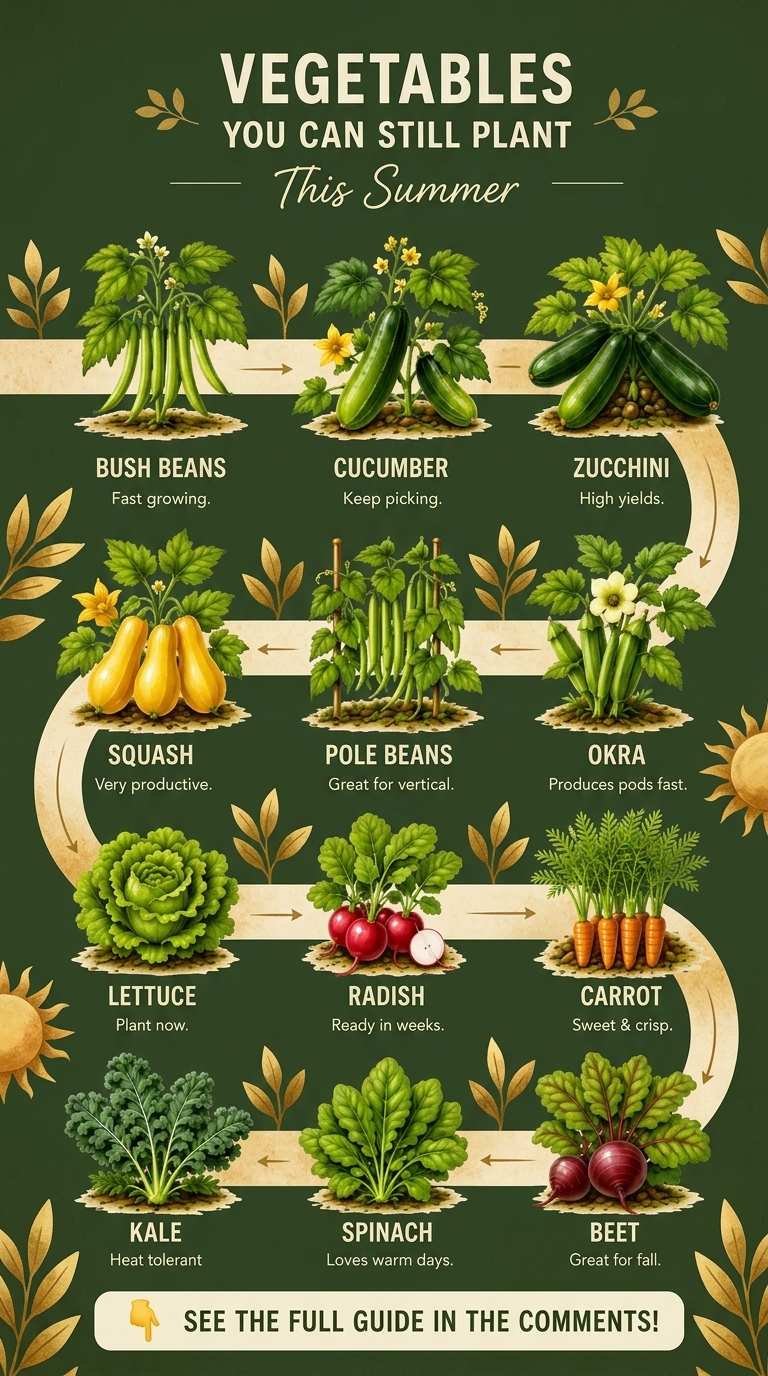
- Bush Beans: These are the workhorses of the summer garden. Unlike pole beans, bush beans have a shorter time to harvest, typically maturing in 50 to 60 days. They are relatively heat-tolerant and produce a concentrated yield, making them perfect for filling gaps in the vegetable patch.
- Zucchini and Summer Squash: If you find yourself with empty spots in the garden, a late-summer sowing of zucchini can provide a fresh flush of produce right as your earlier plants begin to decline due to powdery mildew or insect pressure.
- Heat-Tolerant Kale: While kale is often associated with the frost of winter, specific varieties like ‘Dwarf Blue Curled’ can handle the heat of summer better than many other leafy greens. As long as you keep the soil consistently moist, these will provide a steady supply of greens throughout the late summer.
- Sweet Carrots: Late summer is an ideal time to sow carrots. The soil is warm, which encourages fast germination—a common hurdle with spring-planted carrots. As the temperatures cool toward autumn, the carrots will convert their starches into sugars, resulting in an exceptionally sweet harvest.
Practical Tips for Summer Success
Gardening in the height of summer presents unique challenges, primarily heat stress and moisture management. To ensure your late-season crops thrive, consider the following tactics:
- Hydration is Key: Seeds planted in mid-summer require consistent moisture to germinate. The soil surface can dry out in a matter of hours under the summer sun. Consider using a light layer of straw mulch or a piece of burlap over the seeded row until you see the first green shoots emerge.
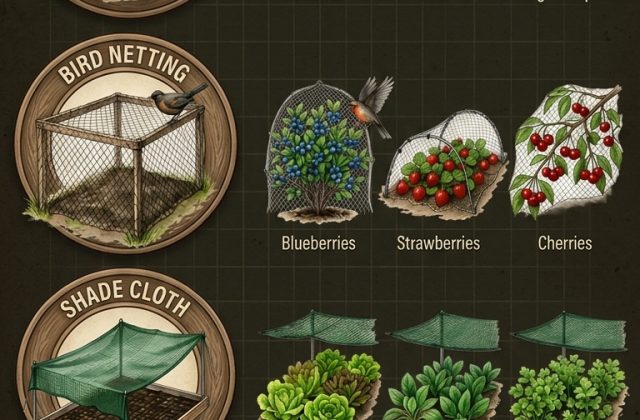
- Strategic Shading: If your garden experiences intense afternoon sun, provide temporary shade for your seedlings using shade cloth or even a well-placed piece of garden fabric. This can lower the temperature at the soil surface and prevent tender new growth from scorching.
- Prep the Soil: After pulling your spring crops, the soil is often depleted of nutrients. Add a generous amount of compost or a light application of organic fertilizer to the planting furrow before sowing your new seeds. This gives the second-round crops the fuel they need to grow rapidly.
- Monitor for Pests: Summer is the peak season for many garden pests, including flea beetles and squash bugs. Keep a close watch on your new seedlings. Early intervention is much easier than trying to manage a full-blown infestation.
By shifting your mindset from a single-harvest garden to a continuous-cycle garden, you can significantly increase the productivity of your backyard. The effort you put into planting in mid-summer will pay off in fresh, homegrown meals long after your neighbors have packed away their trowels for the year.