


Integrating poultry into your garden ecosystem is one of the most effective ways to move toward a truly regenerative homestead. While many gardeners view chickens solely as egg producers, they are, in reality, a multi-functional biological tool that can replace labor-intensive tasks and chemical interventions. By understanding how to safely utilize their natural behaviors, you can transform your garden’s fertility while reducing your workload.
The Natural Pest Management Cycle
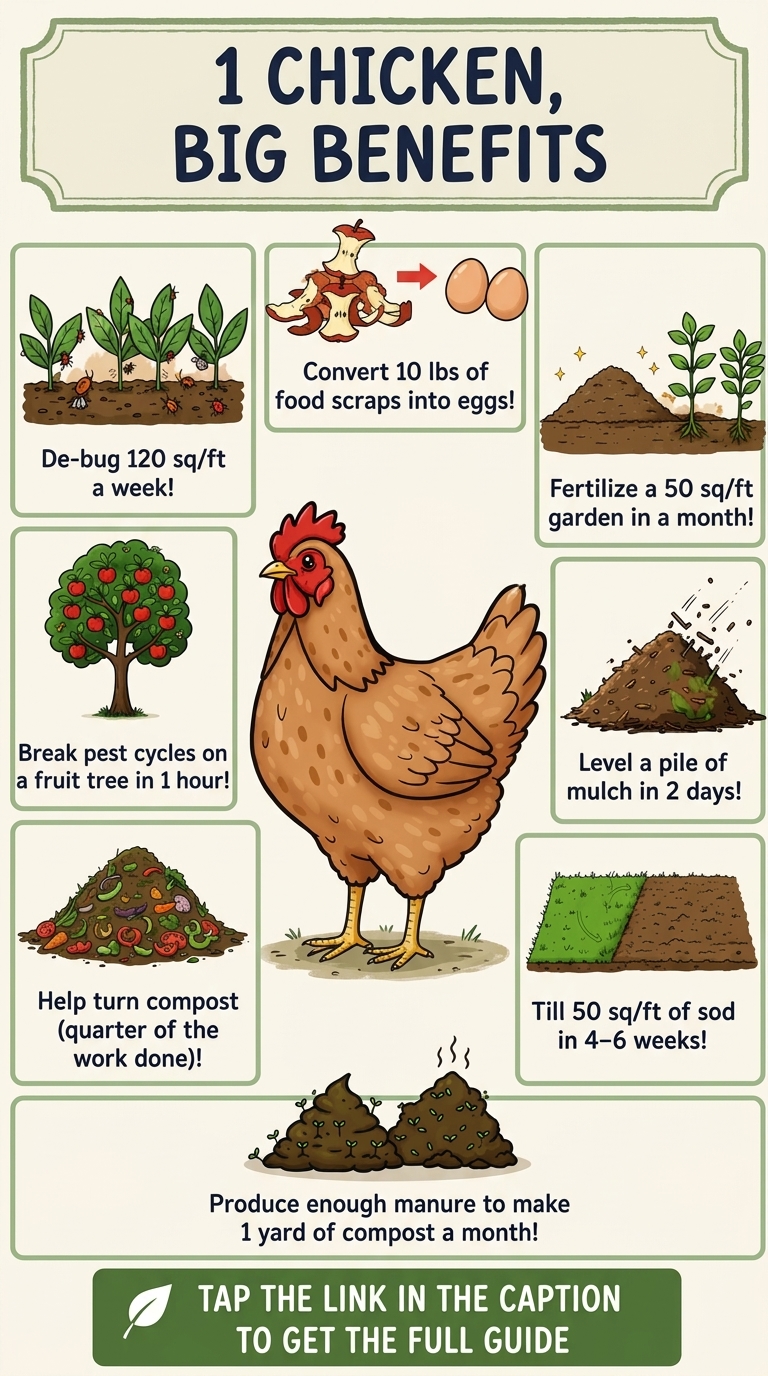
Chickens are exceptional foragers with an instinctual drive to hunt. By introducing them to your garden space, you can effectively manage common pest populations without the need for synthetic pesticides. Their keen eyesight allows them to spot larvae, beetles, and slugs that often escape human notice. When chickens range through a garden bed, they disrupt the lifecycle of these pests by consuming them in their juvenile stages before they can reach maturity and wreak havoc on your vegetable crops.
Turning Mulch and Tilling Sod
One of the most physically demanding tasks for any gardener is breaking new ground or turning over garden beds after a season. Chickens are nature’s rototillers. Their powerful claws are designed to scratch through debris, organic matter, and even thick sod. When you place chickens in a designated garden plot that needs clearing, they will quickly break down surface vegetation and incorporate organic material into the top layer of the soil. This process not only clears the space for planting but also aerates the soil and deposits nitrogen-rich manure directly where it is needed most.
The Compost Companion
Composting is a cornerstone of organic gardening, but maintaining an active pile can be a chore. Chickens can significantly expedite the composting process. By allowing them access to a contained compost area, they will naturally turn and aerate the pile as they scratch for kitchen scraps and insects. Their constant movement keeps the material oxygenated, which promotes aerobic decomposition. Furthermore, their waste adds a valuable nitrogen boost to the compost, resulting in a nutrient-dense final product that will supercharge your vegetable growth.
Practical Management Tips for Your Garden
- Use Temporary Fencing: To protect your established vegetables, utilize moveable poultry netting. This allows you to direct the chickens into specific zones, like a bed that has just finished production, without risking your growing crops.
- Practice Rotation: Do not keep chickens in one area for too long. Over-scratching can lead to soil compaction and the complete removal of all organic cover, leaving the soil vulnerable to erosion. Rotate them frequently to ensure a balance of disturbance and recovery.
- Supervision is Key: The key to success is controlled access. Chickens do not distinguish between a destructive weed and a prized heirloom tomato. Always monitor your flock when they are in the vegetable patch to ensure they are fulfilling their role as garden helpers rather than garden destroyers.
- Observe the Balance: Observe the density of the flock relative to the size of the area. A small space can be over-processed very quickly by a large flock. Start with a small, manageable number of birds to see how they impact your specific soil type and vegetation density.
By leveraging the natural instincts of chickens, you can reduce your reliance on external inputs and build a more closed-loop system. Whether it is their contribution to soil aeration, pest suppression, or the high-quality compost they help generate, these birds offer a significant return on investment for any serious gardener. With a bit of strategic planning and thoughtful management, your flock will become the most valuable asset in your garden infrastructure.