


Container gardening has revolutionized the way urban dwellers and those with limited outdoor space approach food production. You do not need a sprawling backyard or a dedicated garden plot to harvest fresh tomatoes, crisp lettuce, or aromatic herbs. With the right containers, soil, and sunlight, you can transform a balcony, patio, or even a sunny windowsill into a thriving vegetable garden.
The Advantages of Container Gardening
Gardening in pots offers distinct advantages over traditional in-ground planting. First, it provides total control over the soil environment. You can create the perfect growing medium tailored to specific vegetable needs, avoiding the challenges of native clay or nutrient-depleted dirt. Furthermore, containers are portable. If a particular spot in your garden loses sunlight as the seasons change, you can simply move your plants to a brighter location. Finally, container gardens are often less prone to soil-borne diseases and certain types of pests, making them a fantastic starting point for beginners.
Choosing the Right Containers
The beauty of container gardening lies in its versatility. Almost any vessel can become a home for your vegetables, provided it meets two non-negotiable criteria: proper drainage and adequate volume.
- Drainage: Roots need oxygen to survive. Without drainage holes, soil becomes waterlogged, leading to root rot. Always ensure your pots have holes at the bottom, or be prepared to drill them yourself.
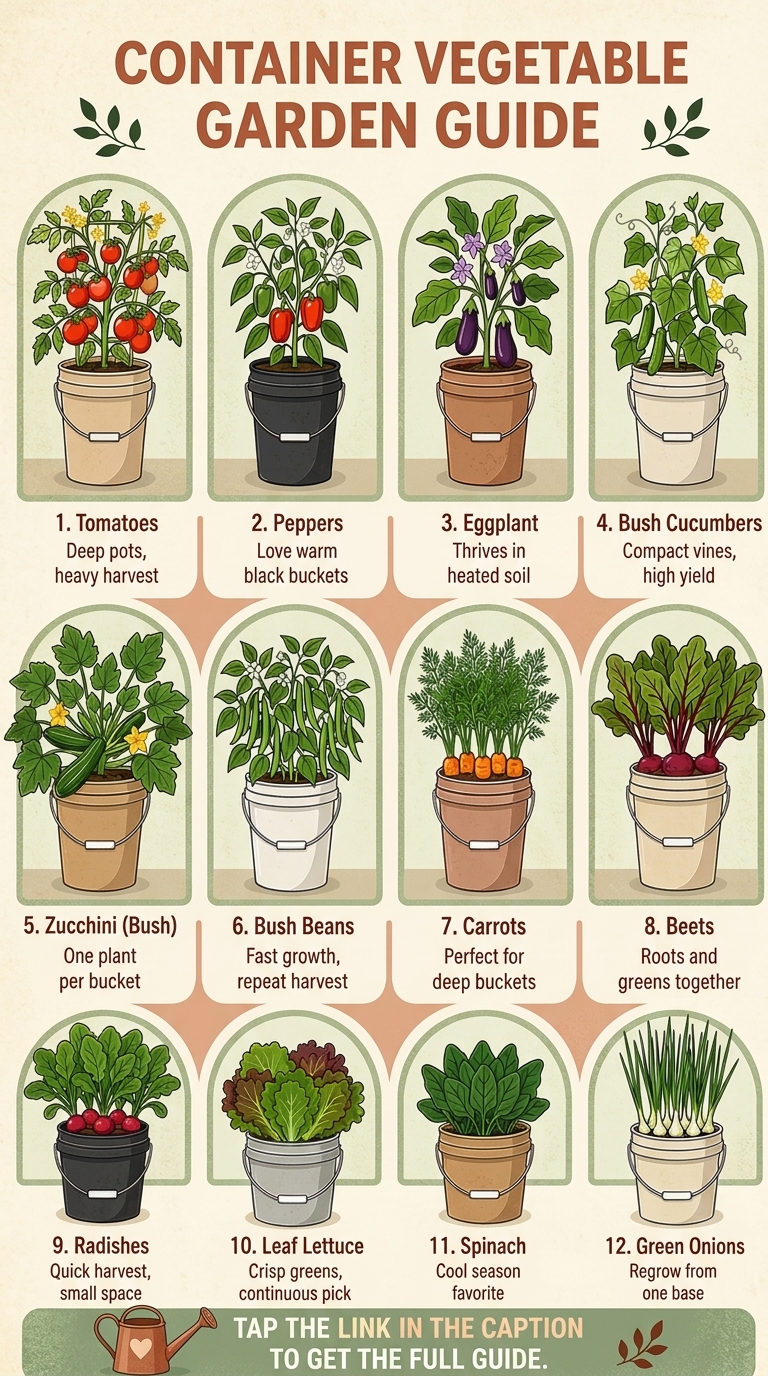
- Size Matters: Different vegetables require different amounts of space. Leafy greens like spinach and lettuce have shallow root systems and can thrive in window boxes or shallow pots. In contrast, fruiting crops like tomatoes, peppers, and eggplants require deep containers to support their complex root structures and heavy top growth. As a rule of thumb, use a five-gallon bucket or larger for individual tomato plants.
- Material Choice: Plastic pots are lightweight and retain moisture well, making them ideal for thirsty crops. Terracotta pots are aesthetically pleasing but porous, which causes soil to dry out much faster—perfect for herbs like rosemary or thyme that prefer drier feet. Fabric grow bags have gained popularity recently because they encourage “air pruning” of roots, which prevents plants from becoming root-bound and promotes a healthier, more vigorous root system.
Mastering Soil and Nutrition
Never use garden soil directly from the ground in your containers. It is too dense, will compact over time, and likely contains pests or diseases. Instead, invest in a high-quality potting mix. These mixes are designed to provide excellent aeration and moisture retention while remaining lightweight.
Because containers hold a finite amount of soil, your plants will exhaust the available nutrients faster than those grown in the ground. You will need to supplement with a balanced, organic liquid fertilizer or a slow-release granular feed throughout the growing season. Always follow the manufacturer’s instructions, as over-fertilizing can lead to stunted growth or salt buildup in the soil.
Watering: The Balancing Act
In a container, the margin for error with water is small. Because the soil volume is limited, it dries out much faster than garden beds, especially in the heat of summer. Check your pots daily by inserting your finger about an inch into the soil. If it feels dry, it is time to water. Consistency is key; fluctuating between bone-dry and saturated conditions can cause issues like blossom-end rot in tomatoes or split skins on peppers. Aim for deep, consistent watering until you see excess liquid draining from the bottom of the pot.
Selecting Your Crops
For the best results, focus on vegetable varieties bred specifically for small spaces, often labeled as “patio” or “dwarf” varieties. These plants are selected to maintain a compact size while still producing a bountiful harvest. Consider starting with:
- Leafy Greens: Lettuce, kale, and arugula are fast-growing and can be harvested repeatedly throughout the season.
- Herbs: Basil, parsley, and cilantro are perfectly suited for smaller pots and provide constant utility in the kitchen.
- Peppers: Both hot and sweet peppers thrive in medium-sized pots when given plenty of sun.
- Tomatoes: Choose determinate (bush-type) tomatoes for container success, as they grow to a manageable height and ripen their fruit over a concentrated period.
By treating your container garden as a living, shifting ecosystem that you can nurture and manage, you will find that you don’t need acres of land to enjoy the immense satisfaction of growing your own food.